Reba
-
Posts
2 -
Joined
-
Last visited
Reba's Achievements

Starting Member (1/5)
0
Reputation
-
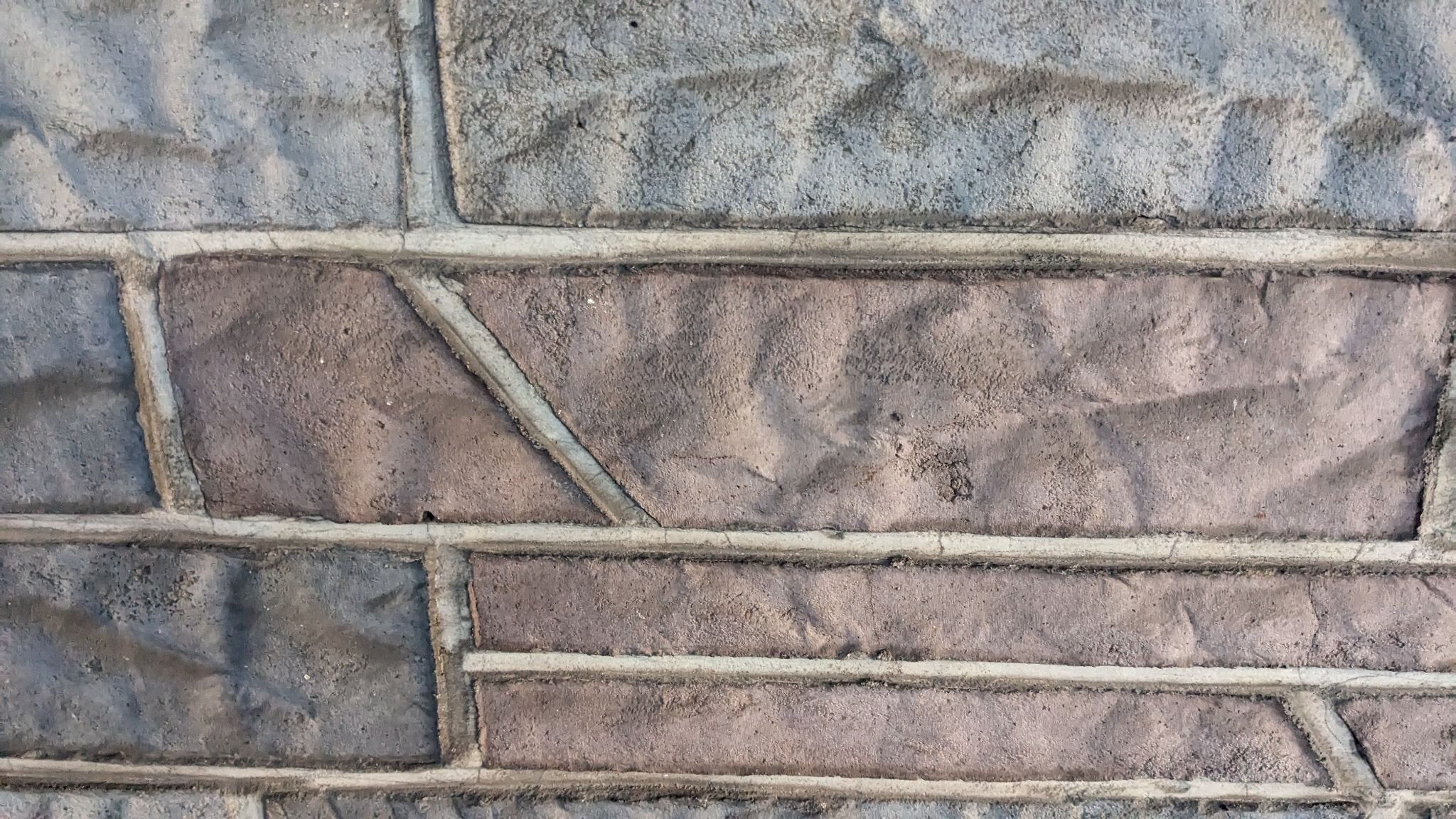
I appreciate the responses! From my own research, I was starting to suspect it is PermaStone, but still could not find a picture of a similar product or pattern. A stone veneer made to look like concrete makes the most sense since it seems to have defined mortar joints. The era of the late 50s aligns with when the previous owner thought it was installed. Her parents owned the house previously and installed this. She believes it was previously stucco based on old photographs. I'll see if I can find the documentary somewhere - what a lovely name - "polyester of brick". Are there any recommendations on what to do with it if we need to make repairs or confirm it's in good enough shape to keep? If we decide we want another exterior finish is it best to remove it before applying something else rather than applying it over the existing veneer? I would like to increase the energy efficiency of the envelope and make sure we don't have any moisture issues. We will reinsulate the stud cavities from the interior, but that only gets you so far. The windows are getting replaced, so I presume this will be the time to make any changes.

-
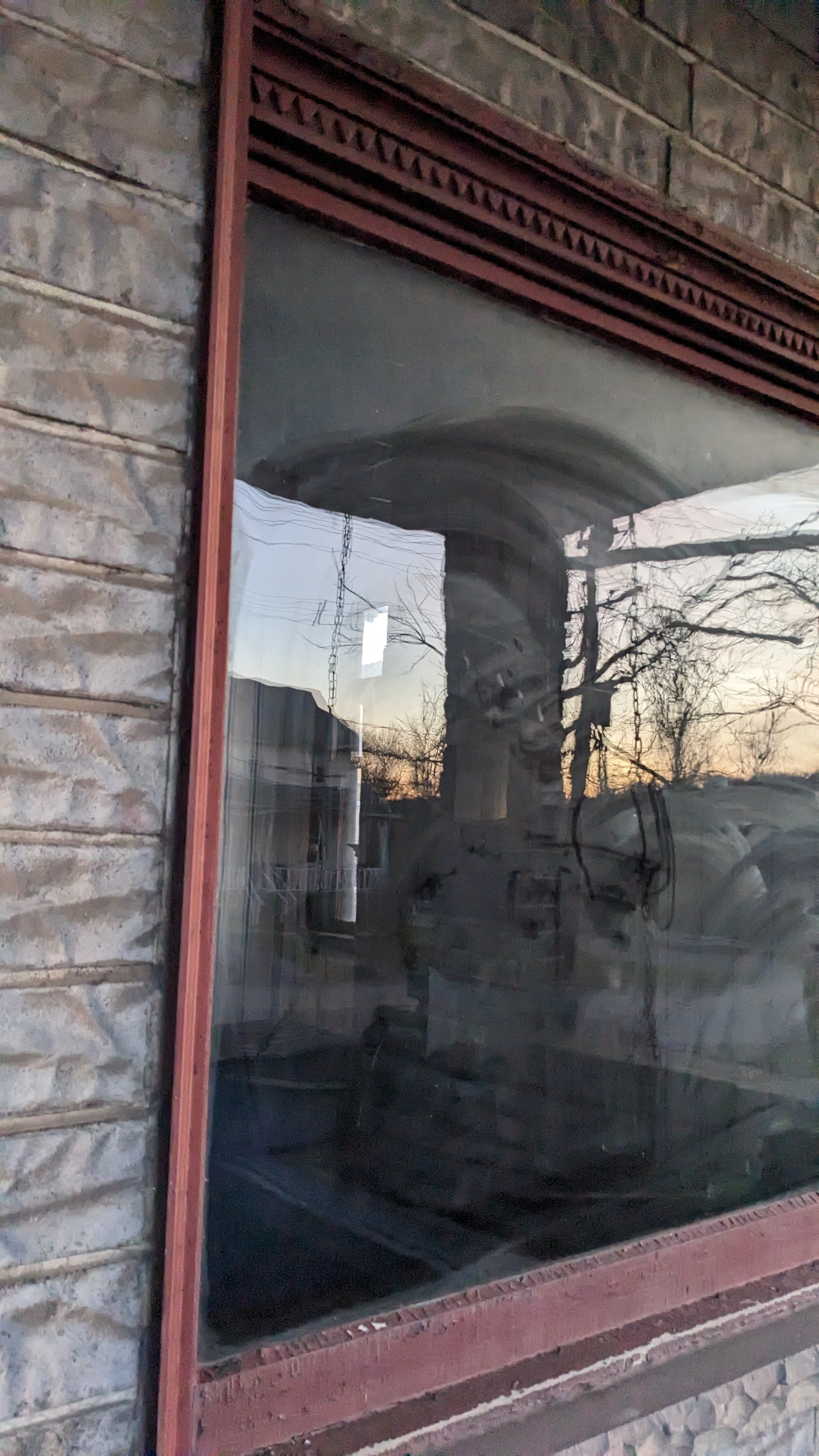
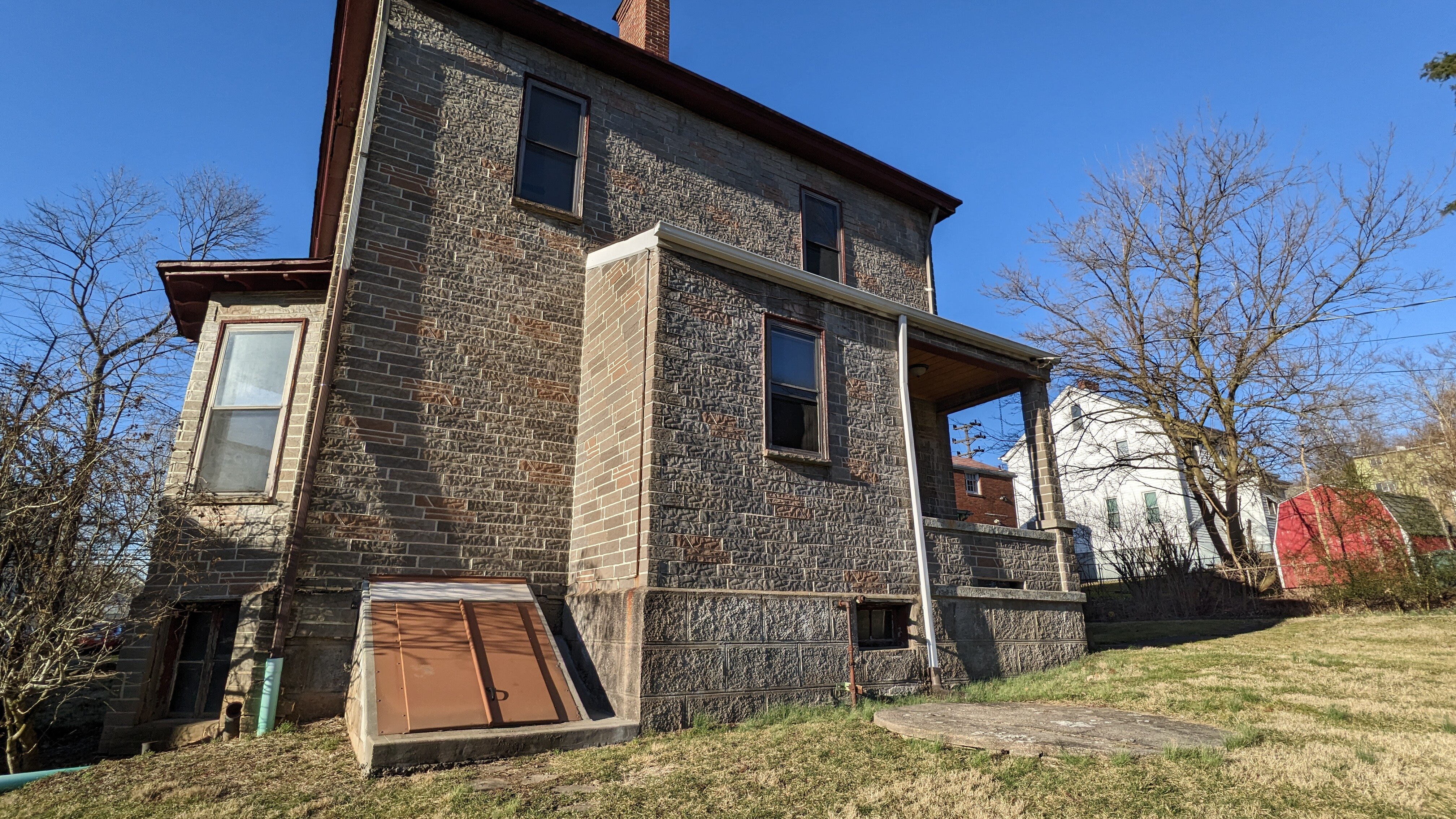
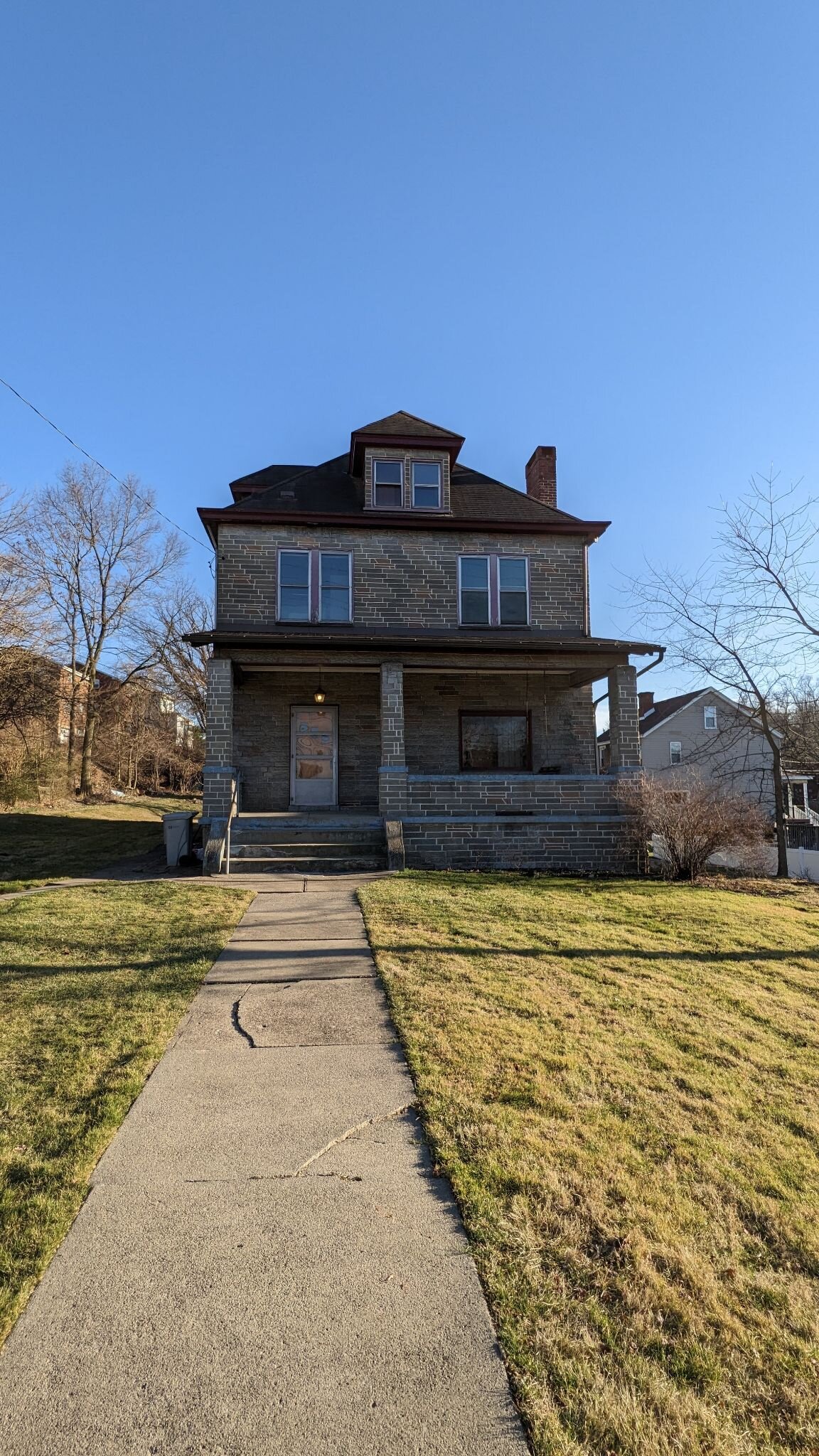
I just bought an 1860 house and I'm trying to identify the exterior material. I was told by the previous owner it's Insulbrick, but from my research I can't find any Insulbrick that looks like it. It appears to be a concrete like brick with mortar. The random diagonal pieces are unlike anything I've seen before. Any thoughts on what it might be? And then thoughts on if it can be finished over or must be removed? I'm concerned there is wood damage that can't be assessed below it. We are gutting the interior of the house and plan to reinsulate from the interior at a minimum.