JamesPW
-
Posts
6 -
Joined
-
Last visited
Content Type
Profiles
Forums
Articles
News for Home Inspectors
Blogs
Gallery
Store
Downloads
Everything posted by JamesPW
-
Gents, Thank you for your feedback, in case you were wondering. The shingle manufacturer concluded, the Roofer failed to replace 20 feet of ridge vent above the cathedral ceiling and instead used shingles preventing moisture from venting and causing mold to form on the beam. The Roofer has since re-installed the ridge vent and made internal repairs. Best Regards, Geek Specialist
-
Thank you everyone for your thoughtful comments and ideas, I want to share the current working hypothesis. A Houston roofing and construction firm came out to inspect the house. Not shown in the photograph is the continuation of the cathedral ceiling to an outdoor patio. Twenty feet to cathedral ceiling is indoors and extends an additional 10 feet outdoors. The entire length of the cathedral ceiling has soffit vents on both sides. When the roofer replaced the roof 2.5 years ago, they did not reinstall the last 20 feet of ridge vent, over the outdoor patio and 10 feet into the living room. As a result, trapped humid air migrates to the remaining 10 feet of ridge vent over the living room and contacts the cool ceiling and surfaces inside the house enabling mold to grow. The appearance of inside mold seems to be consistent with the missing ridge vent on the roof. Using Google earth, (thank you BadAir), we were able to confirm the existence of ridge vent on the original roof. This is still working hypothesis but it seems to make sense. Jim, I’m going to install the gutters for good measure. Marc, I mounted a temperature and humidity meter at the peak of the cathedral ceiling. The air is 7 degrees warmer at ~45% humidity. We are experiencing dryer than normal ambient conditions currently so I want to keep this test going. Once I have a baseline, I will reverse the ceiling fan direction for comparison. JamesPW
-
Yes, the house has lots of gutters. I may need more. Many thanks!
-
thank you BadAir, I thought the same thing about Google Earth Pro and also found real estate listing pictures for the house. In all cases, I did not have enough resolution to discern ridge vents or not. JamesPW
-
Thank you Marc, Indoor humidity was my first concern. We did install a new Train AC unit last year. Perhaps it’s not as effective at removing humidity as my 20-year old Amana. With an extension ladder I was able to get to the ceiling elevation and did notice a pocket of warm air. One thought was to reverse the direction of the ceiling fan to get better mixing in the room. I then started reading that mold from condensation was more likely to form on cold roof surfaces in Chicago than a warm room in Houston. Thank you for your experience, I will get the humidity monitor today. There is no attic space between the sheet rock ceiling and roof shingles other than a gap or AC ducting. One contractor suggested removing 5 feet of ridge vent immediately below the upper roof valley to ensure rain does not get in the house. Two other contractors said I needed the ridge vent and to add rain diverters or additional gutters to spread the water coming down the valley onto the lower roof. Any thoughts on these two options?
-
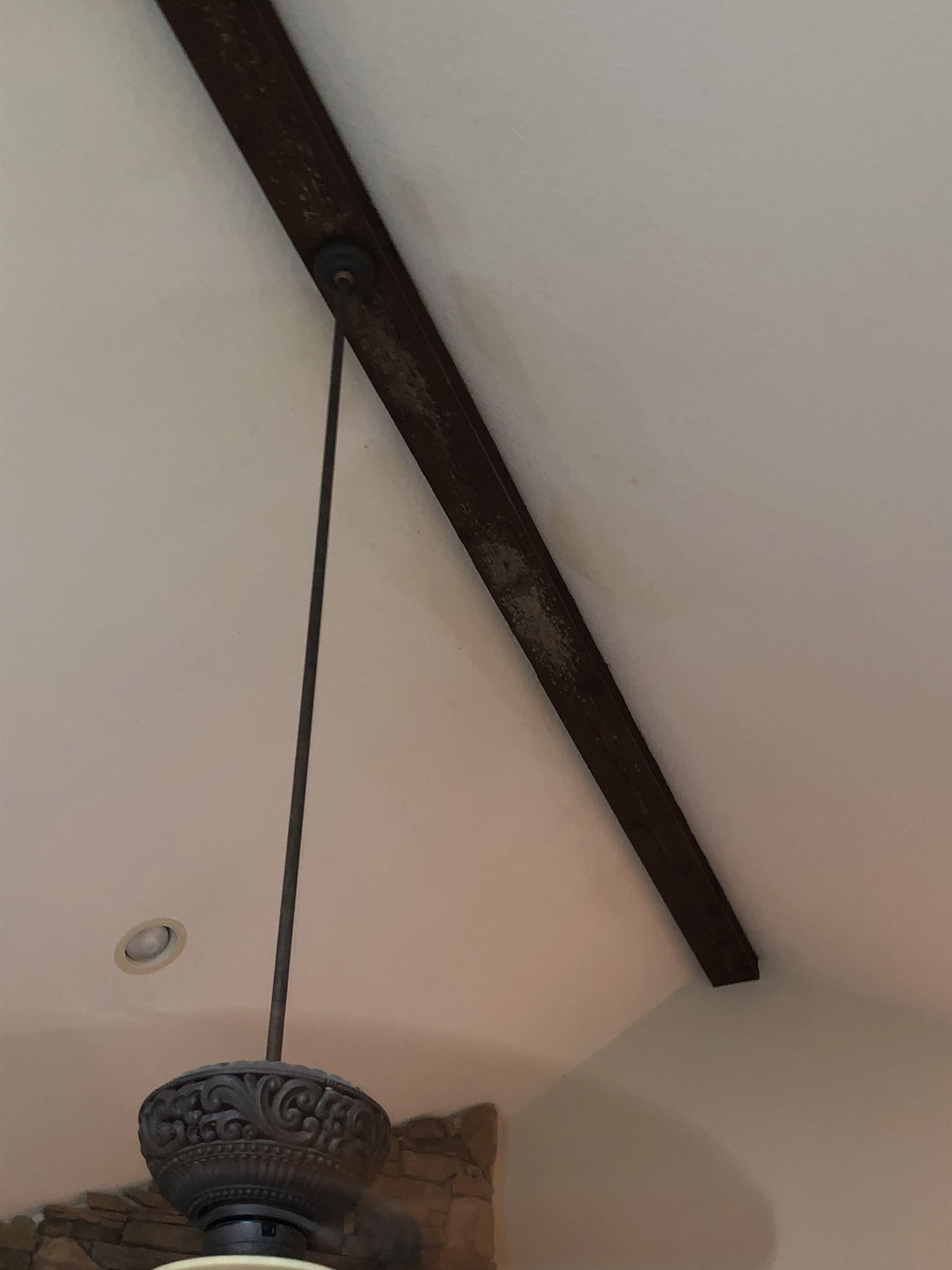
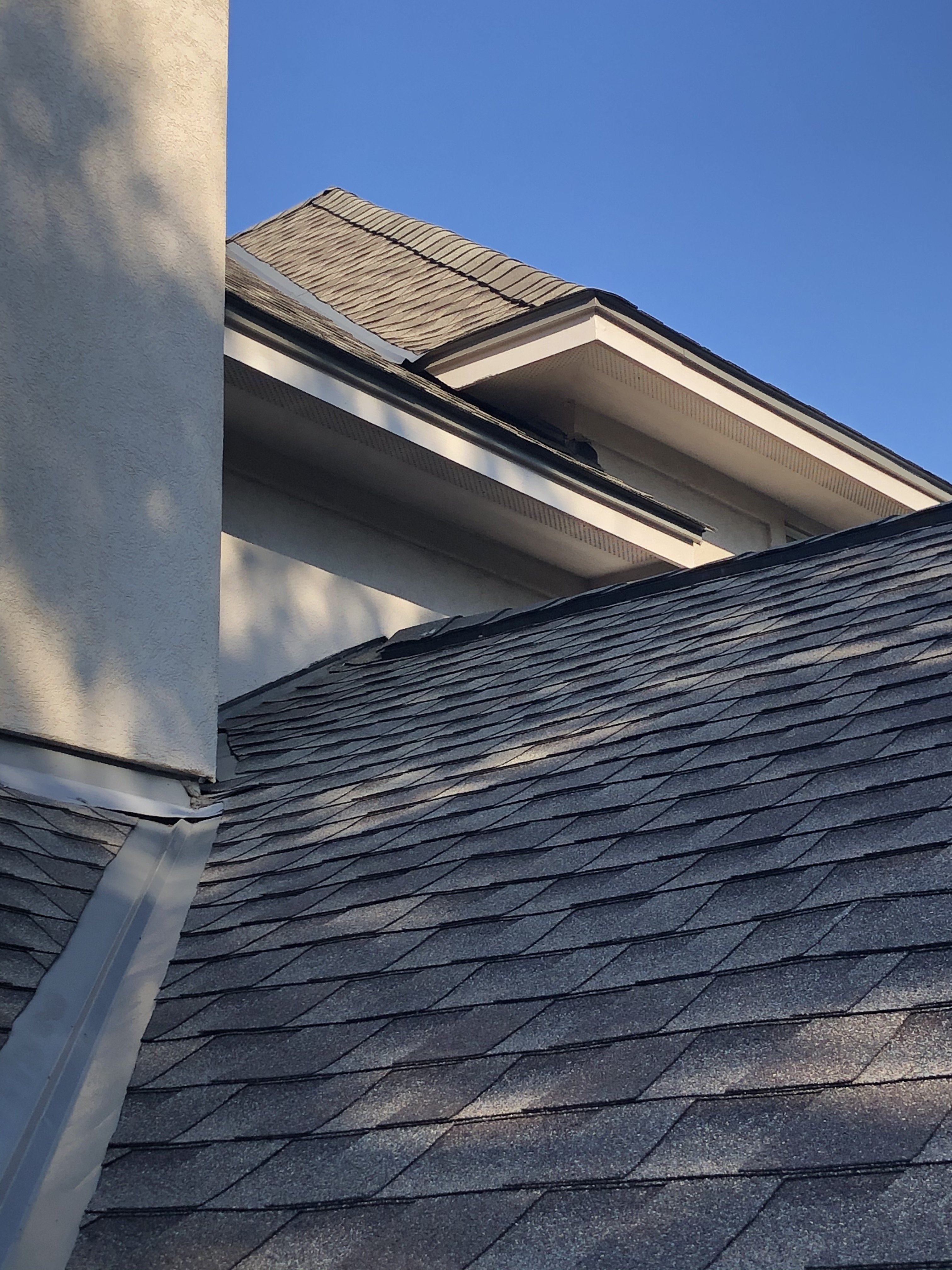
I am a homeowner in Houston, Texas. I have a vaulted roof in my living room with no attic space above it. The home is 20 years old, and the roof was replaced 2.5 years ago. In the last few months, we noticed mold forming on the cross beam that spans the length of the vaulted ceiling. I called the roofer, who suggested water is getting in through the ridge vent as there is a valley two feet above the vent that empties onto the ridge vent. The explanation makes sense as the mold inside the house corresponds to the impact side from the valley above the ridge vent. The roofer denies liability for the product or workmanship unless I can prove there was not a ridge vent there before. I don’t know if there was or was not. I know the roof didn’t leak. Are there Texas codes and installation standards that would prevent installing ridge vents below valleys. Why install ridge vents if there is no attic space? Are there professional services I should consult for damage and repairs? Is the roofer responsible for repair and remediation? The first picture shows the wet sheet rock and developing mold. The second picture shows the valley above the ridge vent. JamesPW