


inspectorwill
-
Posts
104 -
Joined
-
Last visited
Content Type
Profiles
Forums
Articles
News for Home Inspectors
Blogs
Gallery
Store
Downloads
Posts posted by inspectorwill
-
-
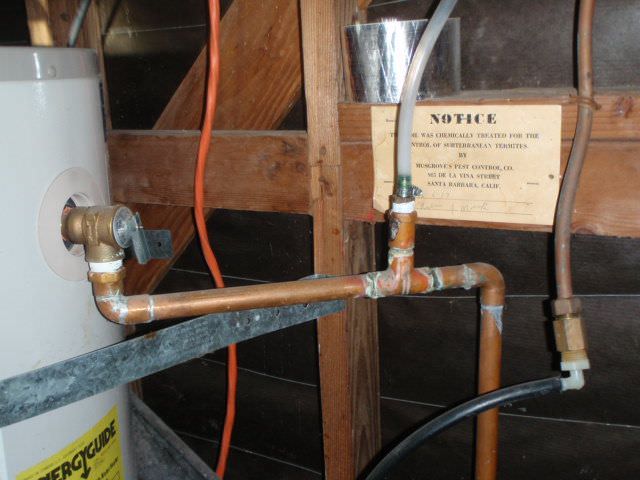
Is there any prohibition against plumbing the A/C condensate to a TPR extension? See photo.
Click to Enlarge

52.27 KB
-
Thank you.
-
Does a powder room (sink & toilet only) require a receptacle within 3' of basin like a typical bathroom? 15 year old house with 4 powder rooms has no receptacles in any of them. I called it out and owner / builder disagrees.
-
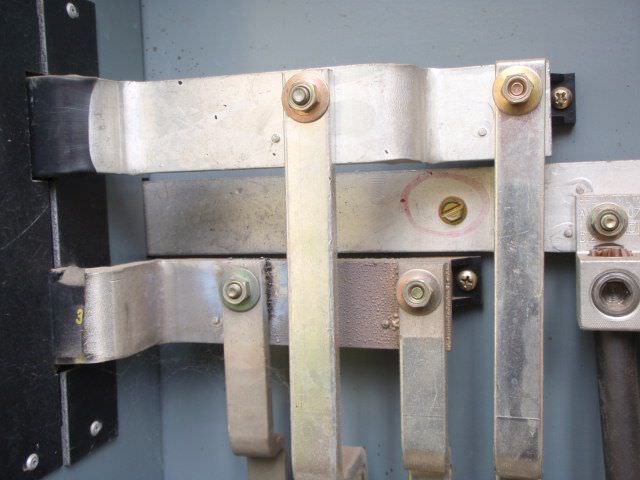
What is the correct terminology for the bars in attached photo? They connect service to main breakers in 400 amp panel. Thanks
Click to Enlarge
48.7 KB
-
It's a gas floor heater and there was a lot of dust and pet hair on and around the firebox. I suspected this as the cause but not sure. Never seen the staining so pronounced.
-
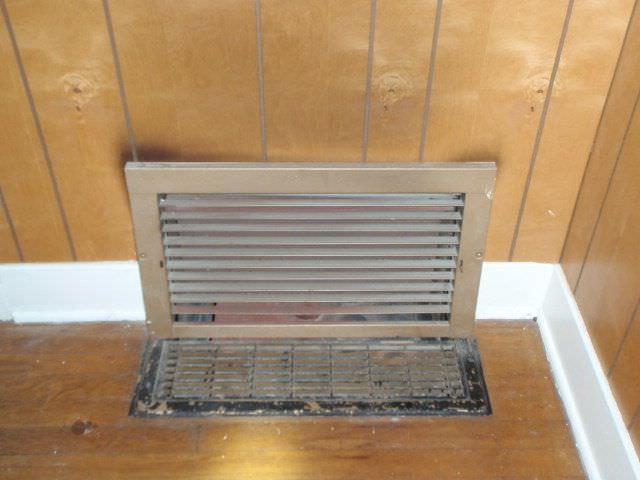
Is there a clearance requirement for the upper grates on older floor heaters? This 50+ year old wall heater has darkened areas on the wood paneling around the top that rather concerned me.
Click to Enlarge
44.47 KB
-
I've attached a photo of a manufacturer's label on a pre-fab fireplace. Can anyone help decipher it? For example states
"Only operate fireplace with doors open or closed. Glass doors can break and expel gas if operated while closed." Huh? So how else do I operate it with doors any other way besides open or closed and why the option to use it with doors closed if they break?
"When burning gas in the fireplace, adjust damper to fully open position. Use solid wood fuel only." Huh? Can I operate it with the damper closed when burning wood and can I even burn gas since it says use solid wood fuel only?
Click to Enlarge
66.18 KB
-
I need a little education in building science. My understanding of efflorescence is that several factors are involved for the occurrence: soluble salts in concrete, moisture to dissolve the salts and hydrostatic pressure that pushes the salts to the surface of the concrete.
In this 45 year old apartment complex, the walls are finished with plaster and there is efflorescence at various interior walls, mostly bathrooms and kitchens. I can understand the presence on exterior walls but the interior walls puzzles me. There are no signs of plumbing or roof leaks in these areas. Can a high interior moisture level draw the efflorescence to the surface without the usual hydrostatic pressure we see that pushes the salts to the surface at say foundation walls or slabs? I have attached photo of the interior wall beneath a sink.
-
-
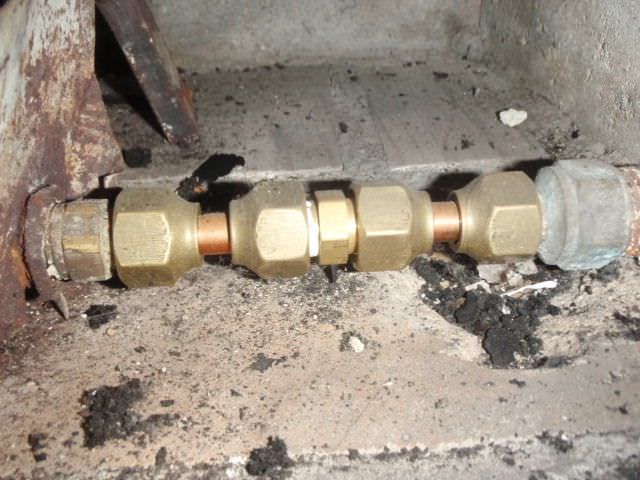
Came across these fittings on a log lighter that I haven't seen before. Appears to be copper tubing. Need a little advice on this one.
Also, on older clay lined brick chimneys with unparged smoke chambers, what is the general recommendation among inspectors? Current NFPA requirements are to parge the smoke chamber but never see it on older chimneys. Thanks.
Click to Enlarge
65.04 KB
-
Discovered a Siemens panel yesterday on a home constructed in 2003. Could hear arcing coming from the panel when I removed the dead front cover. Saw arcing coming from several 15 amp breakers and scorch marks at other 15-50 amp breakers. Infrared camera showed temps ranging from 150 degrees F to 350 degrees F. I remember seeing various posts regarding Siemens recalls but upon searching, it appears they were all within the past two years. Is anyone aware of defective or recalled Siemens panels circa 2003? Thanks.
-
I had a few websites I recommended to clients that provided up to date information on grants and rebates available from the government and utility companies. I deleted my bookmarks and can't remember the sites. Anyone have any good sites?
-
Thanks Richard, I saw your post after speaking with the plumber and Watts. The requirement of the PRV makes perfect sense but the installing plumber insisted it was not required so I called Watts and they said exactly what you said. PRV is required.
-
Thanks Mike for rotating the picture, thought I had done so before posting. Have a call in to Watts because each of the diagrams do show a pressure relief valve with drain line which was not installed on this water heater.
-
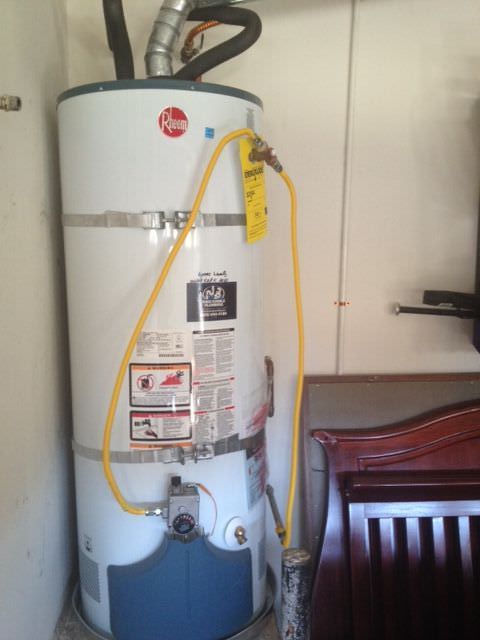
Is anyone familiar with gas T&P shut off valves on water heaters? If I remember correctly, the gas line from the T&P valve to the water heater gas controls should be a rigid connection but I cannot find the documentation anywhere. This particular water heater has a flex connector from the gas supply to the T&P and a flex connector from the T&P to the control unit. Thanks.
Click to Enlarge
36.99 KB
-
Thanks and I like the far out theories. They are entertaining.
-
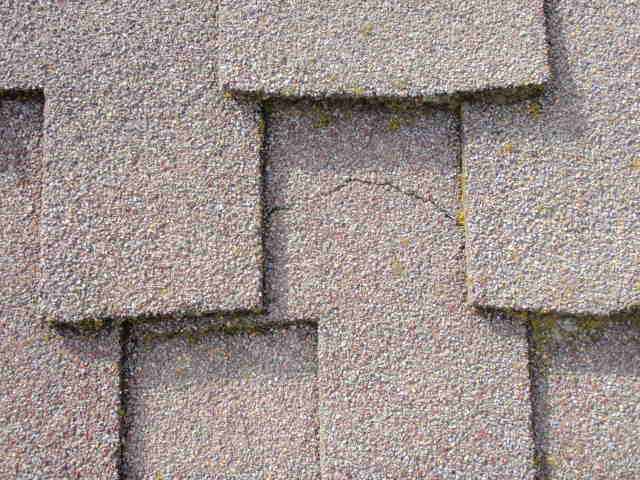
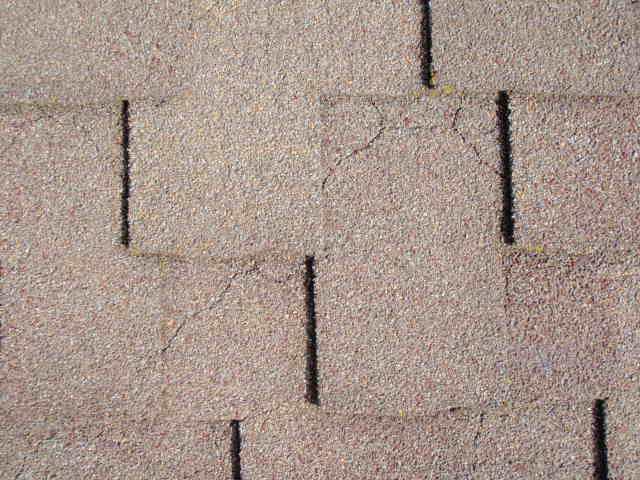
Roof I inspected today is 7-10 years old. Appears to be Certainteed brand. Roof ventilation is good with soffits, gables and dormers. Home is in moderate climate also. There is cracking at all shingles. Is anyone familiar with the Certainteed line that had a class action regarding cracking? Or any other ideas as to why? Thanks.
Click to Enlarge
87.54 KB
Click to Enlarge
85.51 KB
-
Thanks guys.
-
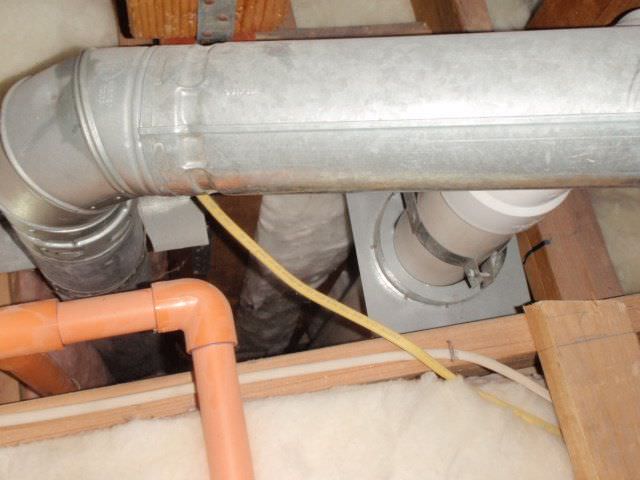
In disagreement with builder on vent clearance and fireblocking in this two story home. The Noritz tankless water heater vent pipe label calls for 1" clearance to combustible material. No clearance is provided between the vent and drywall where it passes through the ceiling. Builder insists no clearance is required because "Type X" drywall was used at garage ceiling. I have never seen any allowances for drywall contact when Type X is used. Additionally, there is no blocking where the furnace and water heater vent chase (shared) intersects the attic floor. Again the builder insists the attic floor does not require blocking because the garage ceiling is Type X and sealed at the bottom of the chase. I understand Type X to be more fire resistant than standard drywall but still combustible. I have never seen an exclusion for not sealing the chase at the attic floor. I call BS on both unless anyone can correct me.
Click to Enlarge
18.1 KB
Click to Enlarge
47.91 KB
-
Thanks Bill. Meant chase and frankly there is no reason for any drywall up in there anyway.
-
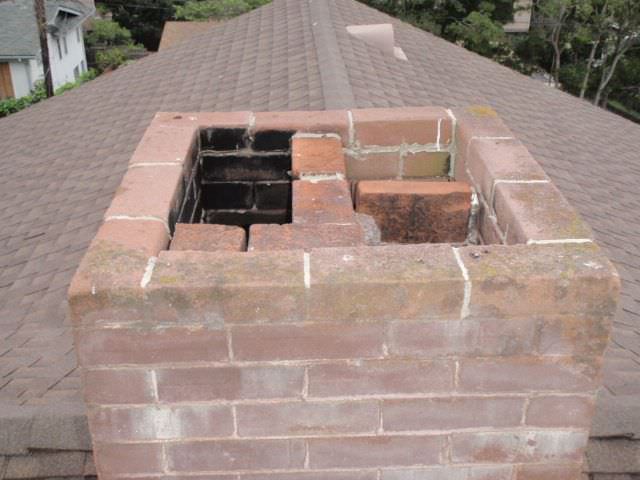
Is anyone familiar with Sinak Corporations brick treatments. This homeowner was instructed to apply Sinak treatment to the 100+ year old brick in the basement to reduce efflorescence and deterioration of the chimney. This chimney is unlined and has never had a cap to prevent water intrusion. Please correct me if I'm wrong but the presence of efflorescence suggests water wicking from the ground or from water intrusion into the uncapped stack. What good would a topical treatment in the basement do to reduce potential for water damage. I am not familiar with this treatment but from researching the website (www.sinak.com), it appears it can be effective in many applications. Just not sure if the product can or is intended to salvage this chimney. Regardless, I recommended not using the chimney referred it out because it is unlined and considerably deteriorated among other things.
Click to Enlarge
59.28 KB
Click to Enlarge
55.14 KB
-
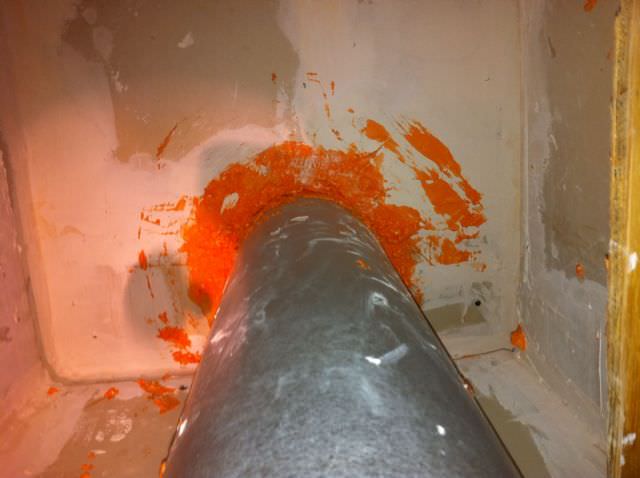
Thanks for the input guys. So this is what I've learned by talking with the most qualified chimney inspector I know and probably the most qualified there is. There are no foams currently approved for contact with gas burning appliance vent pipes. Additionally, any contact of foam with a vent pipe would eliminate the required air space of all listed vent pipes. Thanks again. By the way, I have attached the pic of the mess created by this repairman. Photo is looking up into chimney. For some reason he lined the chimney interior with drywall and foamed around the vent pipe at the top of the chimney with no clearance to the drywall.
Click to Enlarge
37.95 KB
-
Is anyone aware of fire retardant foams approved for sealing around flues and type B vent pipes. Have been finding various types and colors of foam around both lately.
-
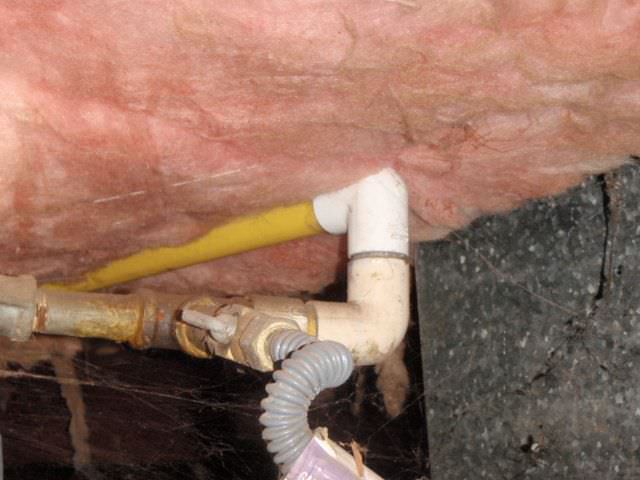
Most of gas fittings beneath this 1941 home replaced with PVC. At least they used primer and the blue glue.
Click to Enlarge
57.04 KB
Click to Enlarge
54.35 KB




AC Condensate to TPR Extension
in Plumbing Forum
Posted
Thanks and wish we had a common sense building code. Kind of a contradiction of terms.