-
Topics
-

-
Write some text.
-
-
News for Inspectors
-

Bill Kibbel 245
1 hour ago, Tom Raymond said:Isn't the purpose of licensing for consumer protection? Guess that's not important anymore.
New NJ law effective summer of 2021. It is now illegal for professional licensing boards to "discriminate" against candidates based on any criminal history or criminal conduct.
Apparently, public protection = discrimination.
-
 1
1
-
-
-
Recent Topics
-

-
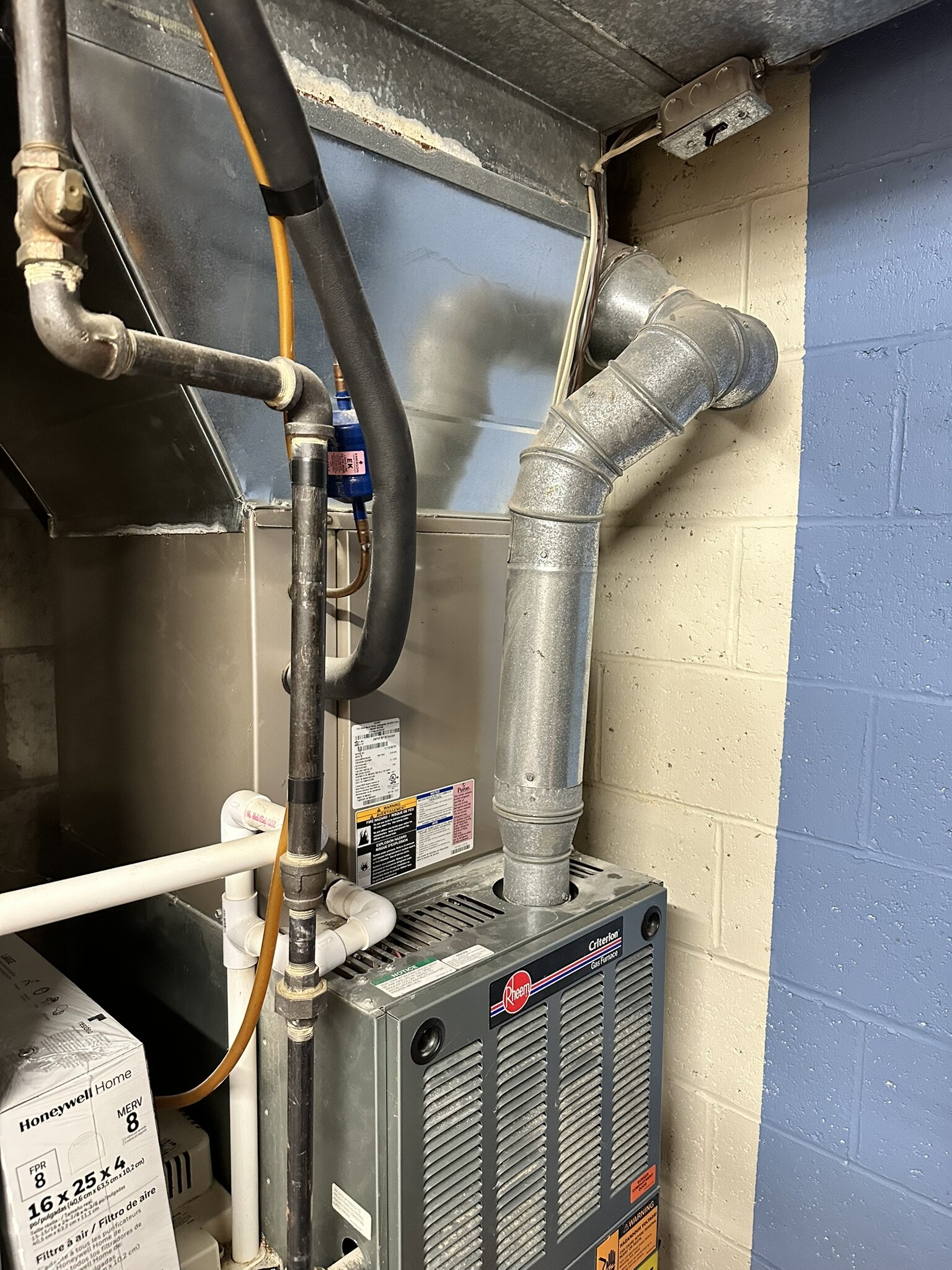
Hi, I need help understanding the code for proper flue sizing for a furnace and hot water heater running to a common flue.
By JoeZeppy412HI, I could use some expert opinions. I need to replace my heating ducts due to age and corrosion to the point of giant holes in them. They existed for 50 years concealed behind a false wall in my basement. The furnace was replaced in the mid nineties but it appears they just connected to the existing flue. When I tore the wall out for remodeling, I discovered the corroded flue pipe. I'm looking at a 100,000 BTU Category 1 fan assisted Rheem furnace. The furnace outlet is 3 inches, which ex -

FRP Roof Covering
By Chad FabryWe added on to our old farmy Italianate house. It's mostly done now - I still need to add a few layers of trim and some corbels. The original house has a Medina sandstone foundation I built the addition foundation of the same material. The elevations of the addition ended up pretty close to two existing second-story windows that I didn't want to move. It left very little possibility for slope on the roof. So we built a hip roof with the lowest slope being about 1-1/2:12, and the stee -
-
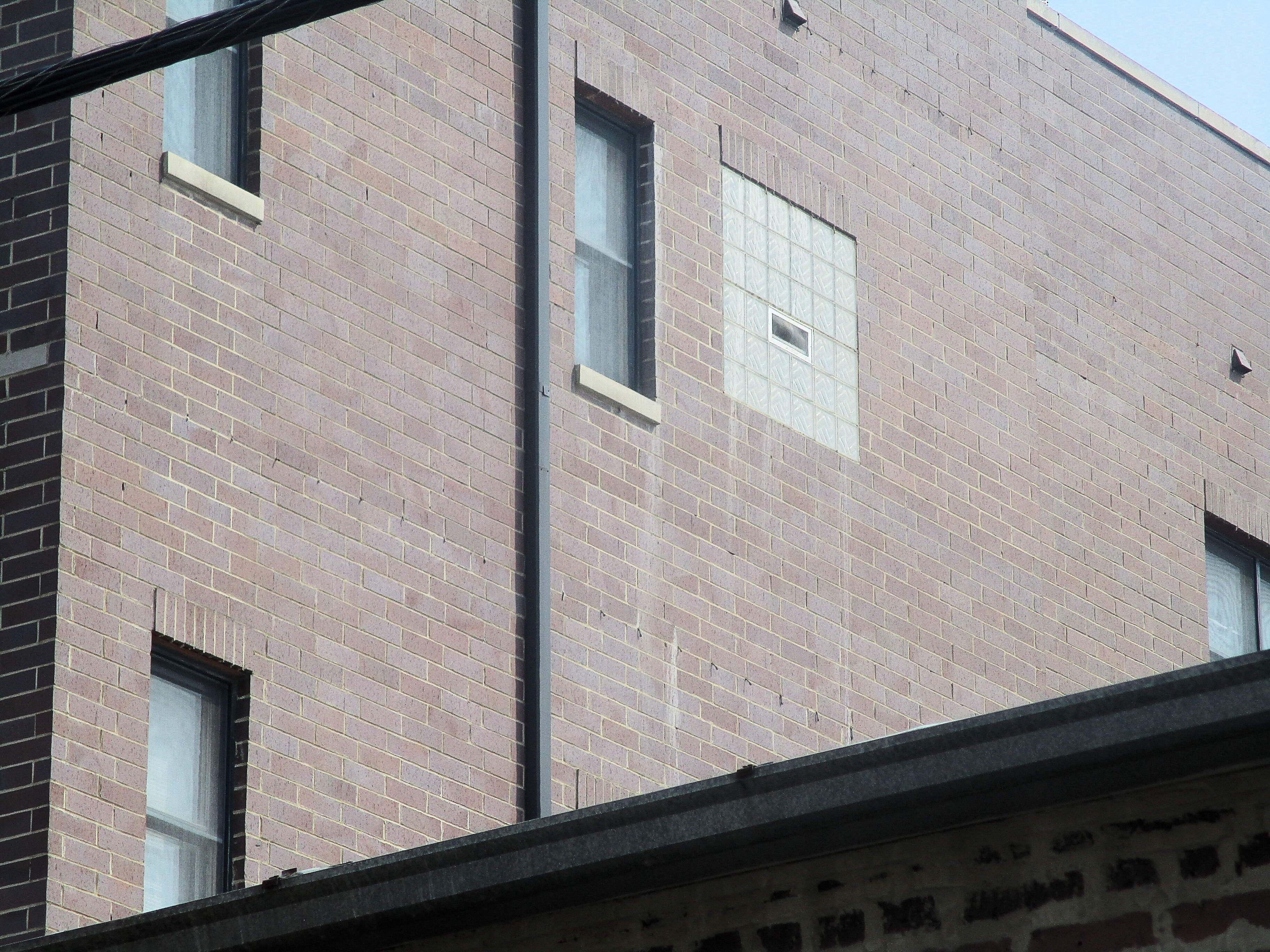
Streaks on brick wall evaluation
By Mike LambHow should I evaluate the streaking beneath the south windows of this bldg. and then beneath the through-wall flashing? -

Worn limestone exterior
By Mike LambI am wondering what advice I can give on the exterior limestone of this 17 year old building which is noticeably wearing away (spalling?). I’m not sure of the cause. Traffic pollution? The wearing away is not just confined to the lower areas. -

Boiler corrosion concerns.
By Mike LambThis is the underside of a cast iron steam boiler. The iron is corroded and rusting. The boiler was shut down for summer. Should this be evaluated further with the boiler running, or not so important? Peerless year 2012. -
Water heater hot water trapper - good idea?
By gawdyhoAny reason NOT to install a hot water trapper on the OUTPUT of my water heater like below? https://www.rusco.com/products/3-4-hot-water-sediment-trapper-filter I recently had a dip tube break in my water heater and its clogging all my aerators. Seems to make more sense to prevent the stuff from getting there in the first place and ruining my appliances.
-
-
some text
-
Welcome to The Inspector's Journal
Thanks for visiting TIJ, the best on-line community of home and building inspectors. Consider registering to participate in the forums, contact our experts and authors directly, access downloads, and more. It's all free and we don't sell or share your information.
-
Recent Business Links
-
Recent Activity
-
1
Stucco siding brought onto the roof shingles??
Shingles shouldn’t directly touch stucco there should be proper flashing and a gap to allow water to shed and avoid wicking into the wall. If the roofer installed flashing behind the stucco and under the shingles, that may be okay, but check the shingle manufacturer’s installation guide. Some require a small clearance from vertical surfaces. It’s worth confirming otherwise, you could see water intrusion or premature shingle wear later. -
2
Water heater hot water trapper - good idea?
Filtering the cold inlet and flushing the heater makes sense for long-term maintenance. But in a case like he described where the dip tube already failed and debris is moving through the system wouldn’t a temporary filter on the hot outlet help catch the remaining particles before they reach fixtures and appliances? Just wondering if running one for a short period after repair could save a lot of aerator cleaning while the system clears out. -
7
heat pump question
David, I agree with your point about proper matching and airflow being key, as long as the air handler and outdoor unit are correctly paired and the duct design isn’t excessive or restrictive, the temp split should generally fall within expected ranges. -
7
heat pump question
Using multiple mini-split style outdoor units with conventional air handlers can still deliver good temperature differentials similar to traditional big-box systems if properly sized, and consistent airflow is maintained. The Frigidaire FFPA1422U1 use and care manual highlights tips for efficient operation, maintenance, and troubleshooting to ensure optimal cooling and energy efficiency, which applies well when integrating new configurations like this, keeping systems balanced and performing as expected. -
7
heat pump question
It sounds like they’re using mini-split-style heat pumps with traditional ducts, so the temperature differential might be slightly lower than conventional large outdoor units, but efficiency can still be comparable depending on system design.
-
-
Posts
-

By Nicholas Thompson · Posted
Shingles shouldn’t directly touch stucco there should be proper flashing and a gap to allow water to shed and avoid wicking into the wall. If the roofer installed flashing behind the stucco and under the shingles, that may be okay, but check the shingle manufacturer’s installation guide. Some require a small clearance from vertical surfaces. It’s worth confirming otherwise, you could see water intrusion or premature shingle wear later. -
 Filtering the cold inlet and flushing the heater makes sense for long-term maintenance. But in a case like he described where the dip tube already failed and debris is moving through the system wouldn’t a temporary filter on the hot outlet help catch the remaining particles before they reach fixtures and appliances? Just wondering if running one for a short period after repair could save a lot of aerator cleaning while the system clears out.
 -
David, I agree with your point about proper matching and airflow being key, as long as the air handler and outdoor unit are correctly paired and the duct design isn’t excessive or restrictive, the temp split should generally fall within expected ranges.
-

By davidkoperty · Posted
Using multiple mini-split style outdoor units with conventional air handlers can still deliver good temperature differentials similar to traditional big-box systems if properly sized, and consistent airflow is maintained. The Frigidaire FFPA1422U1 use and care manual highlights tips for efficient operation, maintenance, and troubleshooting to ensure optimal cooling and energy efficiency, which applies well when integrating new configurations like this, keeping systems balanced and performing as expected. -

By jacobdhempsy · Posted
It sounds like they’re using mini-split-style heat pumps with traditional ducts, so the temperature differential might be slightly lower than conventional large outdoor units, but efficiency can still be comparable depending on system design.
-
-
Tell a friend