Mycakers
-
Posts
39 -
Joined
-
Last visited
Content Type
Profiles
Forums
Articles
News for Home Inspectors
Blogs
Gallery
Store
Downloads
Everything posted by Mycakers
-
I don't know who was responsible for the attic. My dryer stopped drying so I checked the vent. It was packed solid with lint. I went up in the attic to remove the vent and clear it. That is when I noticed the lack of fire walls. At the time I had no idea that I would want to be a HI so I didn't think about anything other than security. I am the one who padlocked the access.
-
The town house I lived in (IL) was a 4 unit and I could walk from one end to the other from the attic. The wife was a little upset to see a padlock installed on the access shortly after I found out. They were built in 92'.
-
Thanks Jim. I know NHIE is big on distractors and it never hurts to be reminded of that. There was a second half of my question. I know some of the indicators for identifying structural masonry. With anchored, I would assume you should not be able to physically see any indicators of the anchors themselves. I did some research on it and watched a few videos on the building process after I got to this question. Identifying what is NOT there, is something that I need to spend more time on. I appreciate the difference between the comprehensive NHIE text book versus the AHIT course book. It makes your thought process become more in depth as opposed to just giving you the answers like AHIT. I still cannot knock the AHIT course. I understand that it doesn't do a great job in preparing you to just hit the road or start getting calls. It did however, give me a great overview of what I am getting into. I know exactly what I need to work on and get familiar with (which is a lot). I know that I will not have a problem passing the IL state exam and that it is just the tip of the iceberg. I am trying to take all of the info from this site and as many other resources I can get my hands on to complete practice inspections. I am also gaining confidence in my ability to ask meaningful questions when I find a few ride-alongs. Thanks again.
-
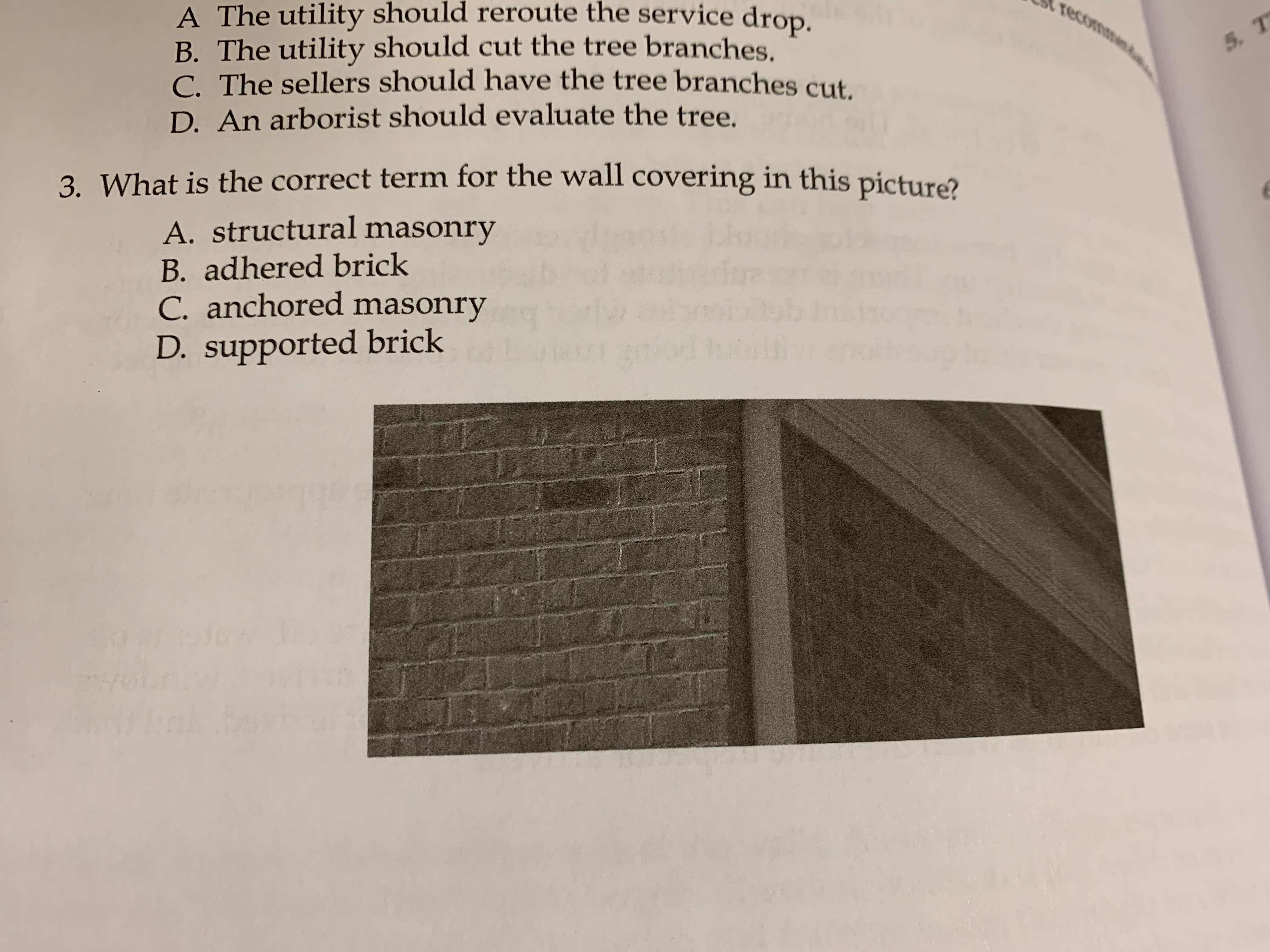
Here is the pic from the book.

-
It is the 2015 NHIE Home Inspection Manual. The question is under the Reporting Findings section if you have the book. The pic is literally the corner of a "brick" house. It is so fuzzy that you cannot rule out even fake brick paneling. I can upload a pic when I get home.
-
I'll need to get back to you on that when I get home from work.
-
I'm not sure where to park this question. I did a quick search and couldn't find anything. I was going through my NHIE text book and one of the review questions showed a picture of the corner of what appears to be a brick exterior. The pic is black and gray and kind of fuzzy. The question asks, identify this type of siding. The answer is Anchored masonry according to the answer key. Are the anchors visible with this type of brick? If not, how would you identify it and report it? Thanks in advance.
-
Just soffit and box vents. I have a fan also but it doesn't have a humidistat. Kitchen and bath ducts are insulated.
-
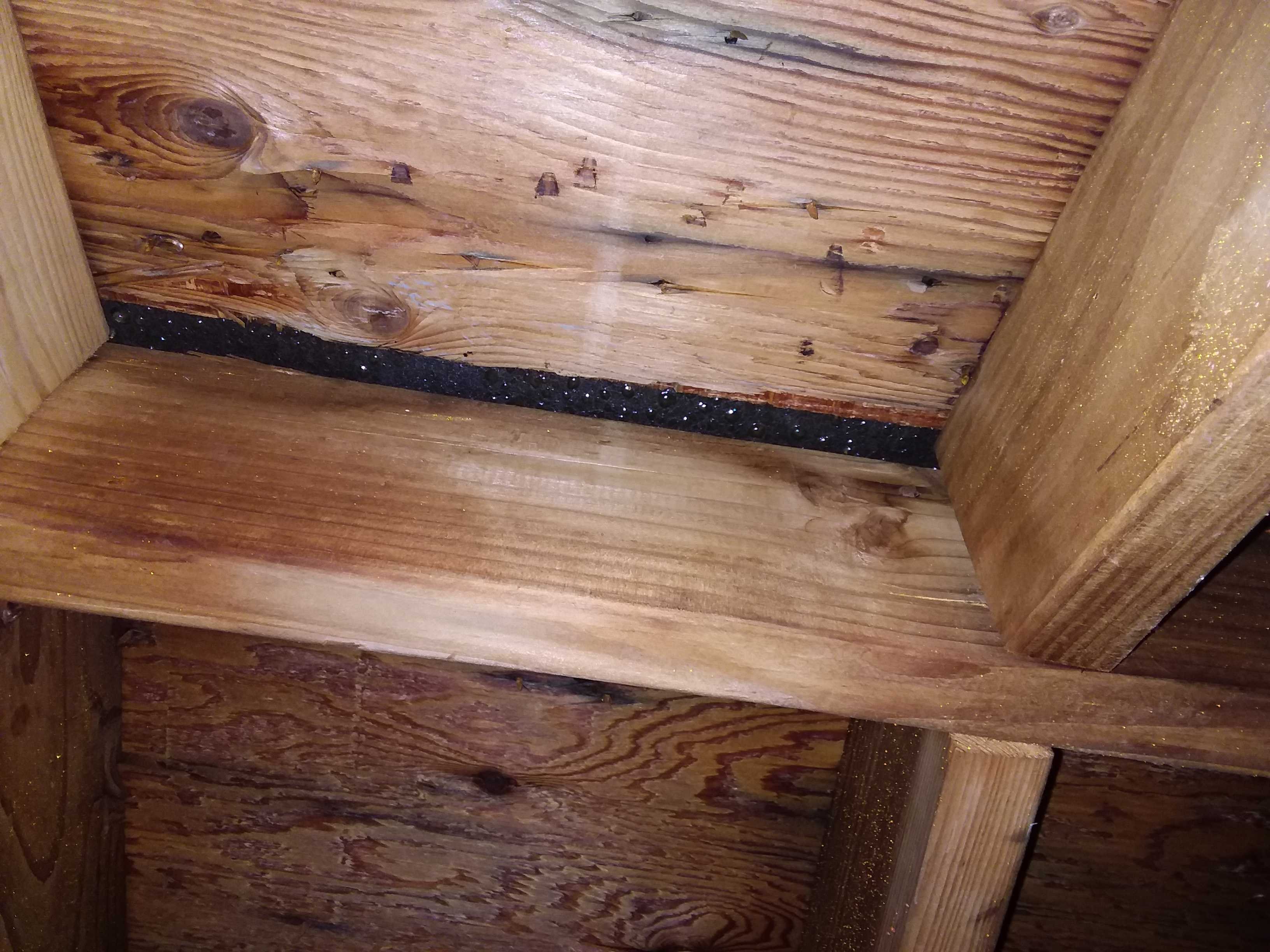
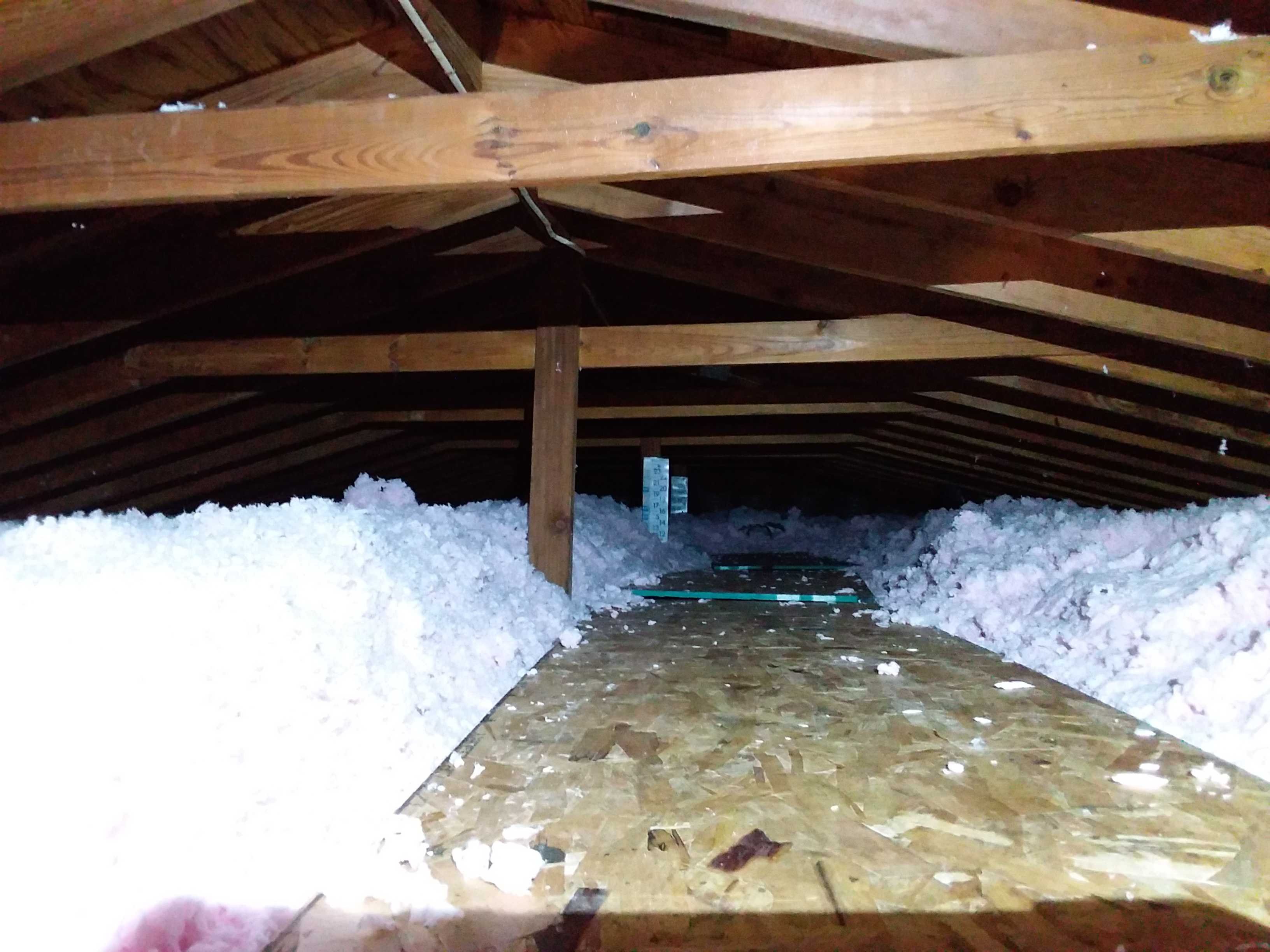
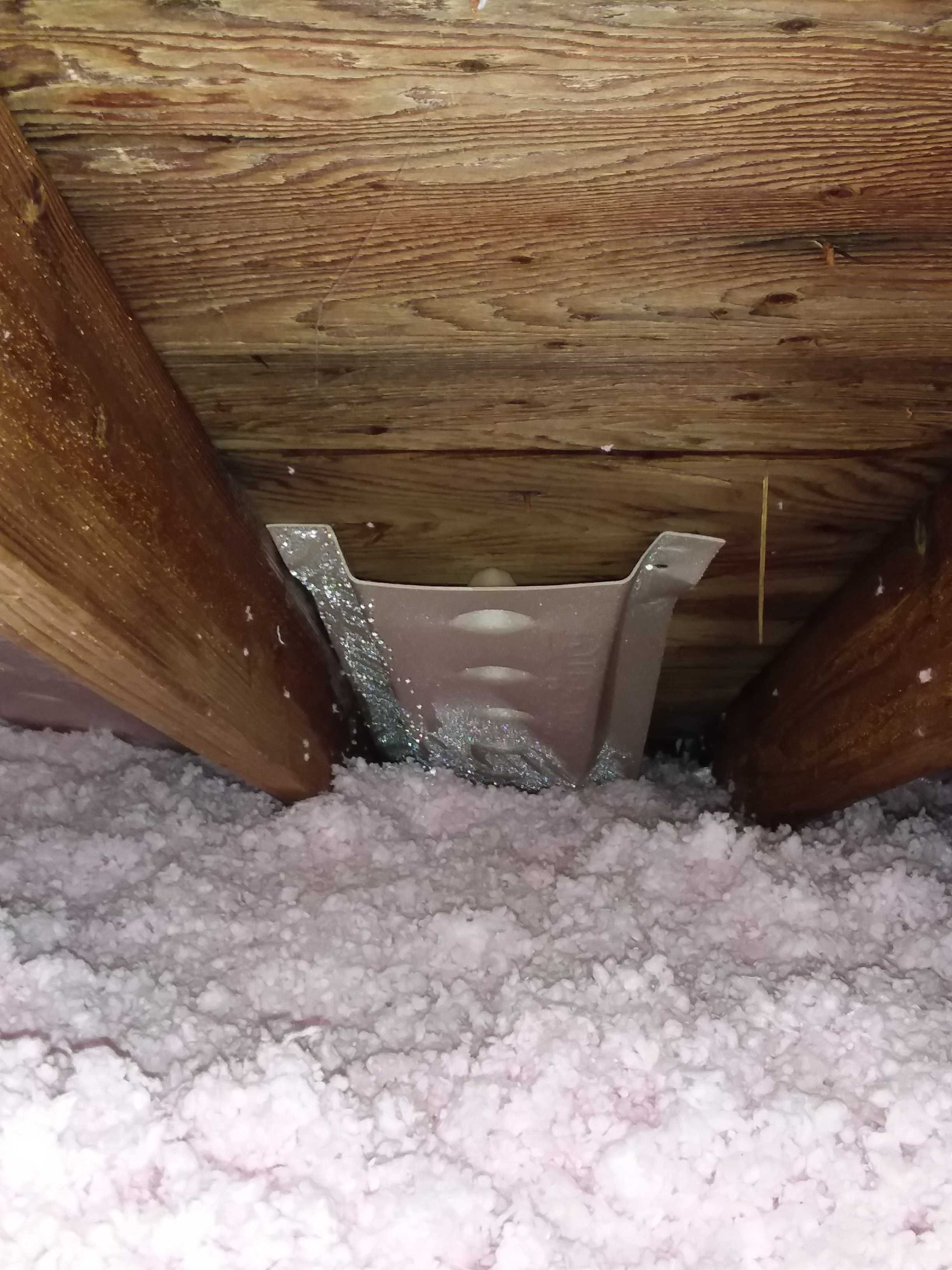
Here are a few pics from the attic. The last pic shows moisture on the baffles.
-
I do but they are on my tablet at home. I will upload them when I get off of work.
-
North East IL. The first snow fall was just a couple days ago. I was wondering if it might be common to get that much moisture in the attic with the crazy temperature swings we have had. I'm going to see what happens when winter sets in. Hopefully I don't have ice sickles dropping through the ceiling.
-
Detailed in previous posts above, I had black mold covering my attic that I needed to remove before I proceeded with my loan to buy my house. I have done everything I could do within my budget to keep heat and moisture out of my attic. I have recently sided and had all windows replaced in my all electric house with baseboard heaters. I had the siding guys cut in more holes for new soffits and installed baffles at every vent. I don't have a ridge vent but I have plenty of box vents and an attic exhaust fan. After pulling out the old insulation in my attic, sealing all holes and blowing in new insulation, I installed a range fan and bathroom fan (vented through the roof). The roof is about 8-10 years old with one layer of asphalt shingles. It recently snowed and I went up in the attic to check on things and noticed all of my sheathing is damp and at the peak of the roof there is active condensation drips. Is there anything else I can do to fix this issue or at least lessen it? Should I be thinking about a dehumidifier in the attic? TIA
-
Should I buy used Electrical Equipment of not!
Mycakers replied to 211kevinrichard's topic in Electrical Forum
I am on a machinist forum for my current place of employment. It is easy for me to spot them in my industry. It will take a little getting use to here. Thanks for pointing this out to me. -
Should I buy used Electrical Equipment of not!
Mycakers replied to 211kevinrichard's topic in Electrical Forum
What kind of project? What kind of electrical supplies? -
Gravity is a difficult concept to grasp. 😂
-
I have two main breakers, both marked with 100 amps on each side of the switch. Does that mean 200 or 400? I haven't started the electrical section of my training yet, and I have not done a lot of research on my panel.
-
I have a ton of power running through my house. Enough 220 to power 15 base board heaters, WH and electric oven. I have been told by an electrician and a HI that I have a lot of power running to my panel. Is that what you are getting at?
-
My house is all electric. No gas. We have been thinking about getting a tankless due to our tiny utility/laundry room. I wonder if it would be cost effective compared to an electric tank WH.
-
Could there have been a shower stall installed in the bath previously? I've heard a few stories about rehabers not relocating a drain properly when doing a remodel.
-
Yes. You understand correctly. They are foam blocks with a foil backing. I can’t remember what the backing says. The mold was concentrated on the north and east side. The apex is where the garage is. That was another reason why I thought it could be due to the open attic.
-
The house is all electric. Gas line is capped off. No vents in the bath and no forced air. There are vents in the ceiling in all bedrooms but the previous owners cut blocks of insulation and put them in the vents. The duct work was laying in the attic. I don’t know where there could be interior air escaping. Maybe the mold is why they closed it up? I trust your input on this.
-
The attic is completely open to the garage. There is not a ceiling in my garage. There needs to be a separation between the two for carbon monoxide and fire code. By the way, I am not arguing with anyone. I’m new, I’m here to learn. So, because of the poor insulation I have interior heat coming into my attic and garage. Am I wrong to think that the sudden rush of freezing air into my attic is not accelerating the process?
-
I was told that every time the garage door was opened during the cold season, a blast of cold air flew into the garage and then attic. With my dated blown in insulation clogging the soffits and a degrading R value, there was no circulation and heat from the interior was building up in the attic. The condensation from cold to hot had nowhere to go. When I had the insulation removed and replaced, the old stuff was very damp. This is what I was told at the time. I would be interested in hearing any other thoughts. I suppose it was a combination of all of this
-
I had the opposite encounter with an inspector who found mold. My father in law was looking for an investment property and found a house. He brought me along for the inspection because I was the one who would be renting from him. The HI verbally told my FIL that there is evidence of black mold in the attic and garage but, "I wouldn't worry about it. It's not that bad." He never noted it in his report. So FIL buys the house, I rent it, do a bunch of repairs and upgrades and two years later I am ready to buy this house from him. I needed to get an FHA loan because of a poor decision I made in my early 20s. Guess what happened when my FHA HI came in... Well, after a full remediation of my garage and attic and also new insulation, I passed the inspection with 4k less in the bank (which was a steal). I have a good friend who does fire and water damage restorations who was certified in mold. He told me that it wasn't the worst that he has seen, but it was close to it. The original HI didn't report the lack of a fire wall that separates the attic from the attached garage as well. This is what caused the mold in the first place.