
John Dirks Jr
-
Posts
4,074 -
Joined
-
Last visited
Content Type
Profiles
Forums
Articles
News for Home Inspectors
Blogs
Gallery
Store
Downloads
Everything posted by John Dirks Jr
-
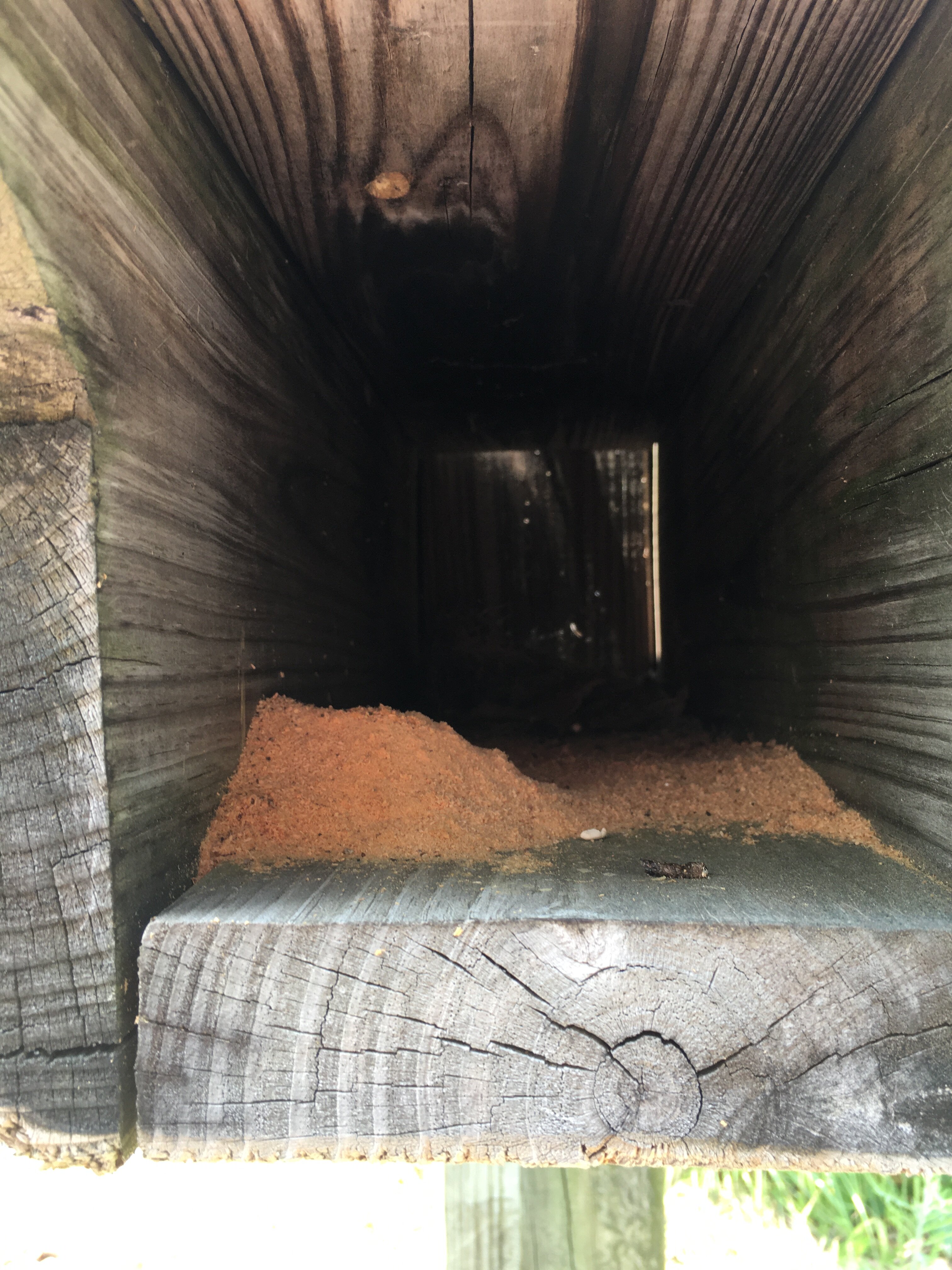
For perspective, this wooden mailbox opening is about 6x8 inches.

-
Probably not the case in my situation because the demand I was calling from the thermostat was somewhere around 10 degrees above room temperature.
-
Yes, the compressor and fan were both short cycling together
-
At a recent inspection I was testing the heat pump in heat mode. On the initial startup the unit short cycled 4 or 5 times so I shut it off and waited a while. The short cycle events lasted maybe 30 seconds each. I tried a second time and it did it 2 more times and then stayed on like you would expect. From then on it functioned normally during the remainder of the inspection and produced adequate heat. Just to be sure I wrote it up describing the condition and recommended evaluation by an HVAC tech. So, is this short cycling surely an indication of a potential problem or could it be part of normal functions?
-
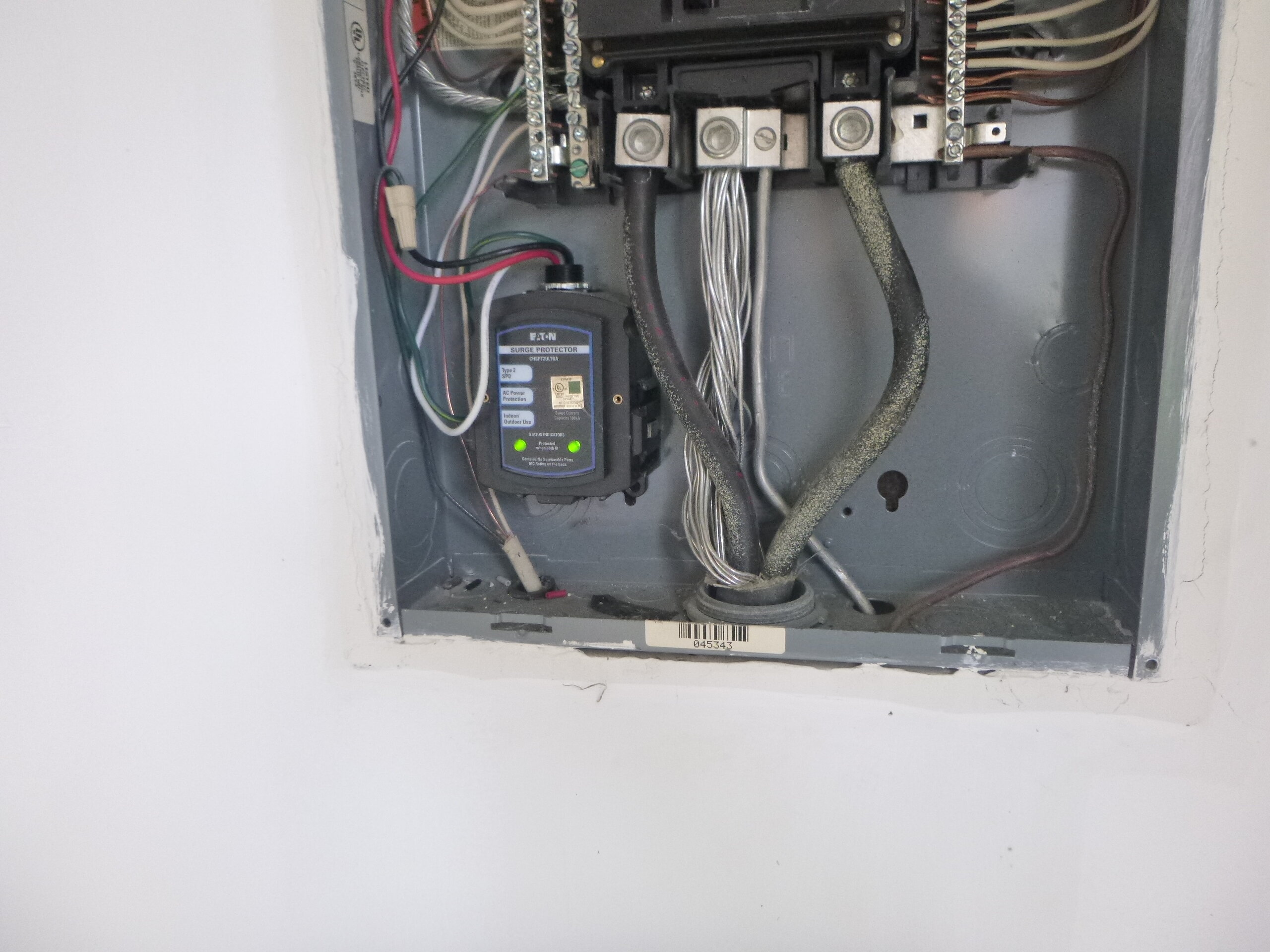
Do the manufacturers allow these things to be installed within the panel enclosure? Even if they do, I think its a bad location since you cannot easily monitor the status unless you remove the cover. I wrote it up and recommended having it moved outside of the panel.
-
Thanks gents. I wrote it up with strong language.
-
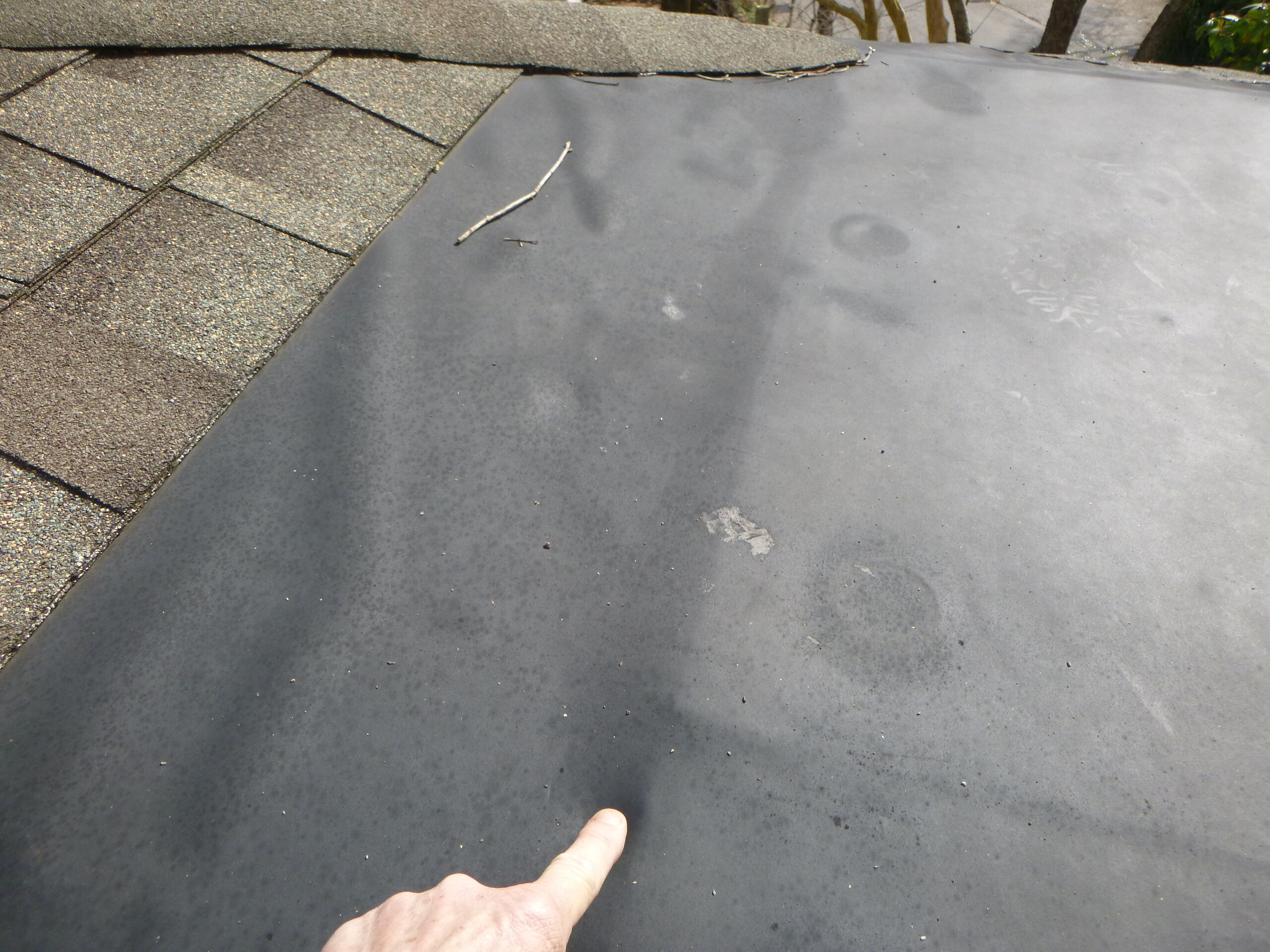
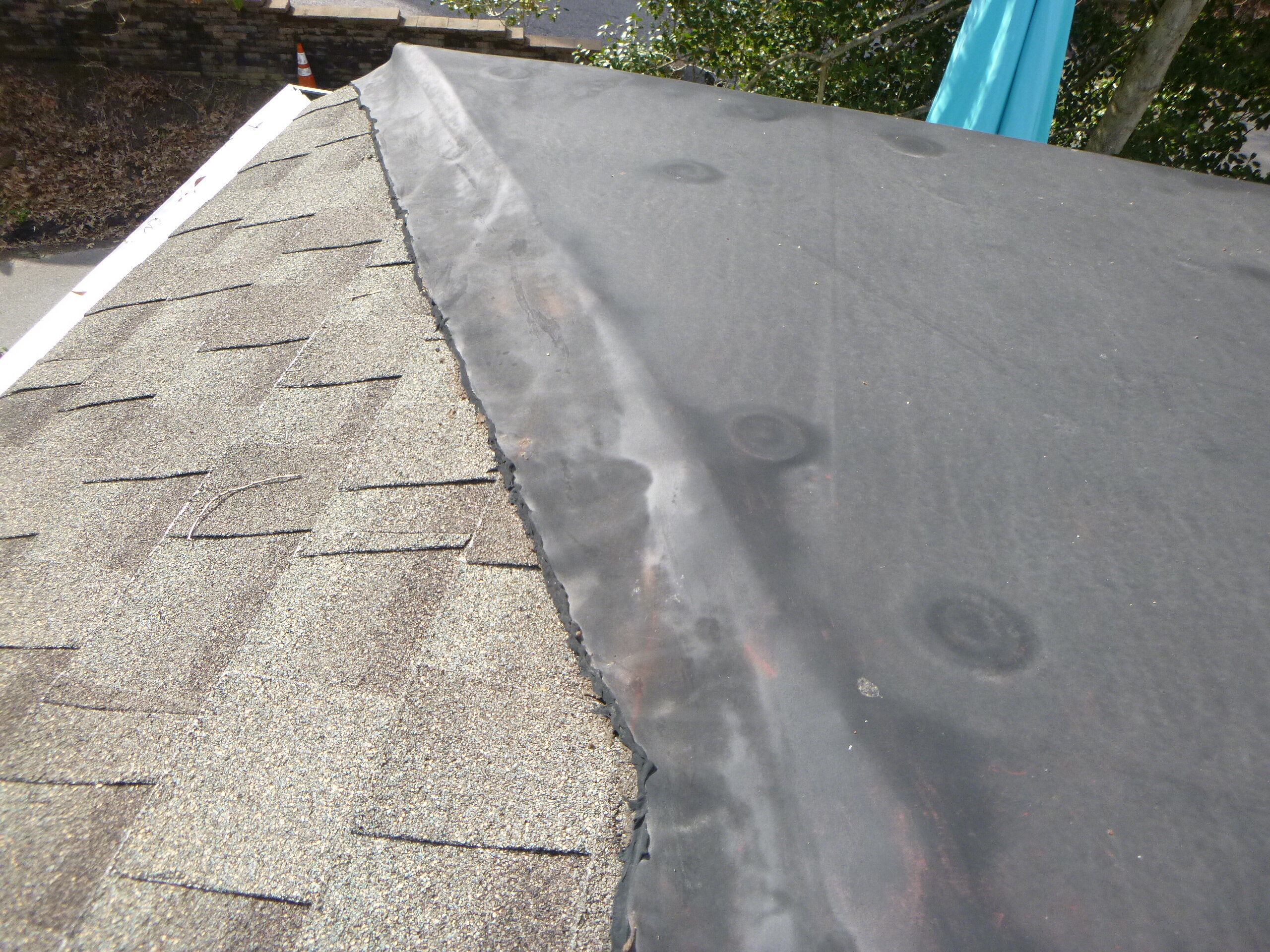
I don't see too much EPDM but today I had one that did not look totally correct. Should there be a cant strip at the pitch transition? What about the part wrapped over the hip ridge? It's just caulked down. Should there be a securing strip with fasteners there?
-
I'm not sure if I can tell from the picture if the veneer is manufactured stone or natural stone. I'm curious if the NCMA document could be challenged when it comes to natural stone. Either way, the practices they recommend are good in either case. However, could someone argue that the document is intended to address manufactured stone specifically and dismiss our using it to back up reporting in the event of a natural stone application?
-
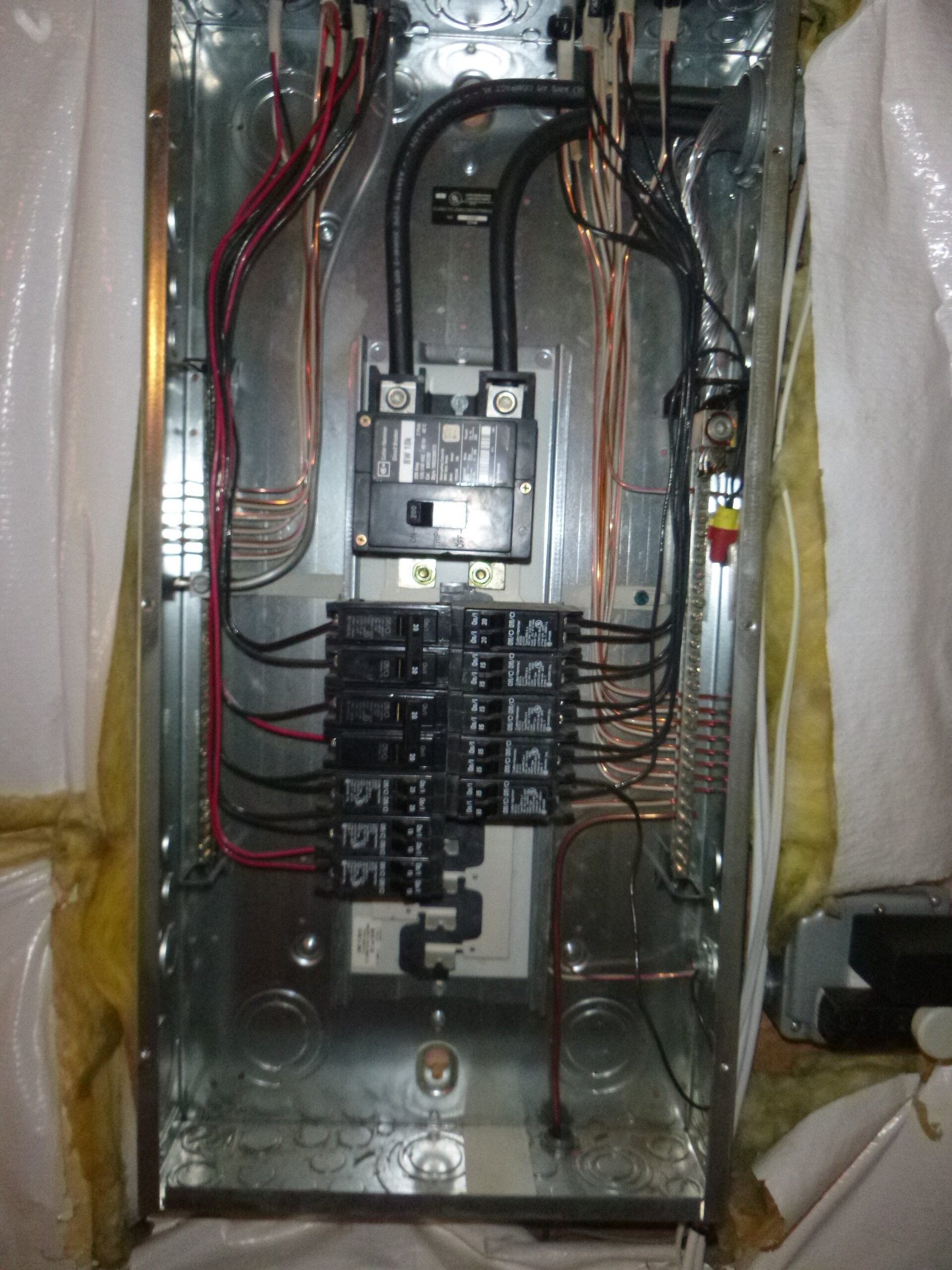
It's nice to find there's people who take pride in what they do. Whoever wired this panel must like what they do. I like what they did anyway.
-
Ah I see, like the stuff I used to put on my skate board back in the mid 70's. I'll get right over and edit the report now ! Thanks Les
-
Eh, a little duct tape should take care if it, right?
-
So, back in June leak sealer was injected into the system and it was topped off with refrigerant. It’s been running perfect ever since with no leak down. Just the other day it was 24 degrees outside. I called for heat at a high demand and the head unit was able to produce 110 degree airflow. This is without an electric backup coil as this system does not have one. Impressive performance I think. Here is the actual sealer produce that was used. https://www.amazon.com/dp/B077Y3CNMW/ref=cm_sw_r_sms_apip_qmXRwt1flUD97
-
 I got a thermopile for $10 on amazon and put it in. The mv output was better than my original part but I still could not get the pilot to stay on. More troubleshooting and I discovered the wire connector for the vent safety switch connection at the back of the gas valve was bad. Some soldering and a new shrink wrap and we're in business.
 -
Apparently it’s not the ECO switch cutting the gas valve. It’s the thermopile. mv output too low. I got on this trail after trying to lite the pilot this last time around. I couldn’t keep it lit. Checked thermopile voltage and it’s at least 150 mv low.
-
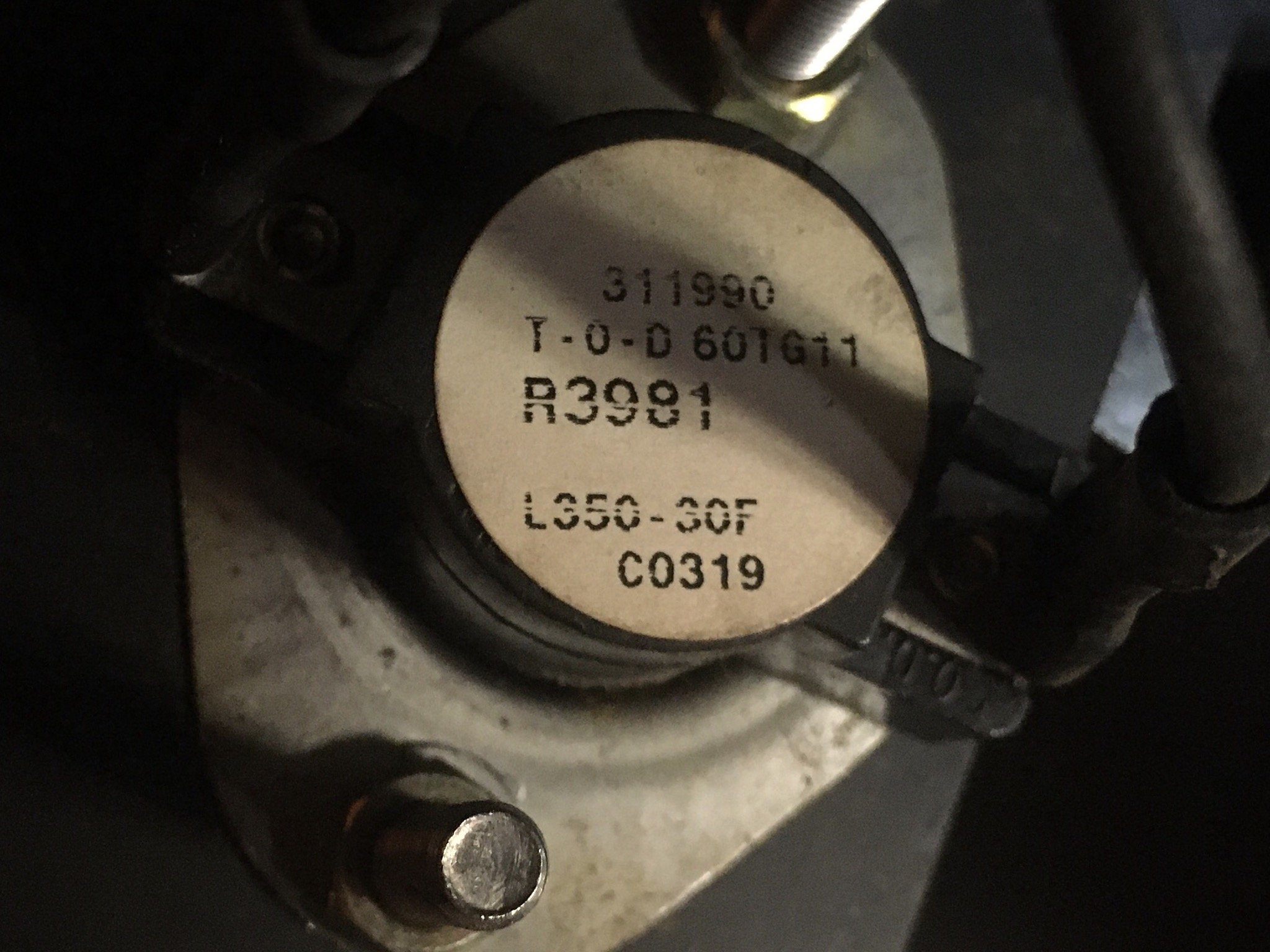
Actually this flame looks ok I think. It gets more yellow to it after it’s going for a while. By checking with my FLIR thermal cam I can tell the temp at the face of the ECO limit switch. I checked and waited nearby until the stove cut of. Take temp at switch and it’s 190 degrees. I think this is supposed to be 350 degree limit switch by the numbers on it. So it shouldn’t cut out at 190 right? I’m gonna order a new one and see what happens.
-
Ok. If there were an air shutter on this burner, I close it to reduce air and make the mixture richer. Correct? There is no air shutter on this burner. I suppose I can try and fabricate an air shutter of sorts to limit air into the end of the burner.
-
Hi Jim. This needle valve idea you speak of, I might be giving this a try. I really think the problem can be solved by cooling the flame. It’s almost entirely blue now which I know is an efficient burn, and something you would want in a heat exchanger of a furnace. But in a free standing fireplace which is intended to be ornamental for visual pleasure, the flame should not be fully blue like it is. As a matter of fact, the operators manual even states such. It shows a graphic showing “blue flame, incorrect ”. “Yellow flame, correct”. So, will installation of a needle valve allow me to make the flame yellow, and thus cool it down? I mean, that’s solving multiple problems. Cools it down to prevent triggering the high limit from cutting it off and making the flame more yellow for more aesthetic appeal. Where exactly within the gas delivery lines would I install such needle valve?
-
When looking at replacement windows in older houses you should always consider this; Many, if not most replacement window installers are not tearing the opening down to the original framed opening. Instead they are removing the inner components of a window and leaving the outer frame of that old window in place. They then install a new complete window including a new frame inside of the older existing frame. The result is a smaller window opening. So, if the older window was smaller than today’s egress requirements, this new replacement makes the condition worse.
-
I read that too. But this unit has no such adjusting screw or air shutter. When I open it back up I’ll take some more pictures and post them.
-
Do you think if I reduce the orifice size the flame will move toward the orange color? I see no installed method for increasing or decreasing air to the burner. It’s manufactured without adjustable air shutter.
-
Whats the effect differences between changing the gas pressure and actual volume being delivered to the burner? I assume a smaller orifice would not reduce pressure, but it would reduce volume. Am I right? About the valve under the stove that raises and lowers the flame. Is it changing pressure or volume to accomplish this?
-
Top of the draft hood where the vent pipe connects is in the 350 degree range.
-
The draft hood is 6” from the gypsum wallboard which is more than compliant with clearance to combustibles listed for this unit. Even then, the wall temp gets to 160 degrees. That’s borderline right?
-
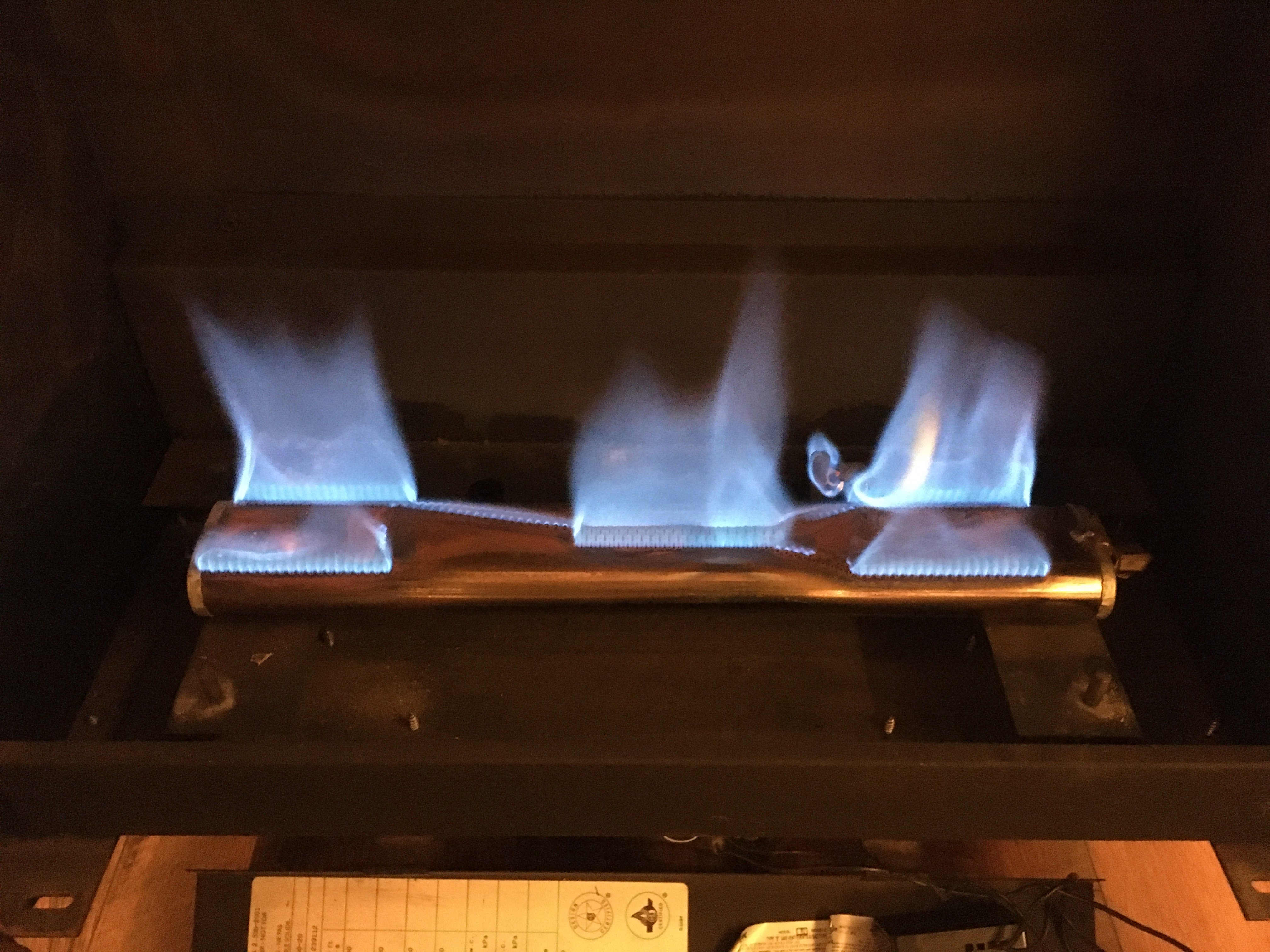
Yes it does look nice for maximum combustion and efficiency. But the ambiance is lacking and it gets hotter than it should, even on the low setting. When the logs are on, the shape of the flames change but they still stay blue, with a tiny tip of orange.
-
Here is the flame on the stove after being converted from LPG to NG. This is the lowest setting and it’s still too hot in my opinion. The instructions for the conversion kit mention adjusting the air shutter but this unit has no such adjustment capability, at least not the way the instructions describe. Also the manual for this model fireplace says the flame should be more orange, and not blue. If this burner has no air shutter adjustment , how do I make the flame more orange? Incidentally, I think an orange flame will be cooler. If they gave me an orifice that is too large, could that make the flame blue? What about my gas line pressure, could that be the problem? Do you have any suggestions which might help me adjust this flame to a more orange color like the manual says it should be? I want to make it look more natural, and hopefully cool it down just a little. thanks