Mike Lamb
-
Posts
2,733 -
Joined
-
Last visited
Content Type
Profiles
Forums
Articles
News for Home Inspectors
Blogs
Gallery
Store
Downloads
Everything posted by Mike Lamb
-
Thanks.
-
What do you think of this remark in my report: · The electric panel in the condo unit is a Zinsco type which has a bad history of circuit breaker failure. I opened the panel and did not see any apparent issues. However, considering the poor documented performance of this type of panel I recommend an electrician take a closer look for any deficiencies that might cause call for panel replacement.
-
I think 1970's.
-
Does this material have a name? It was soft, something like cork board.

-
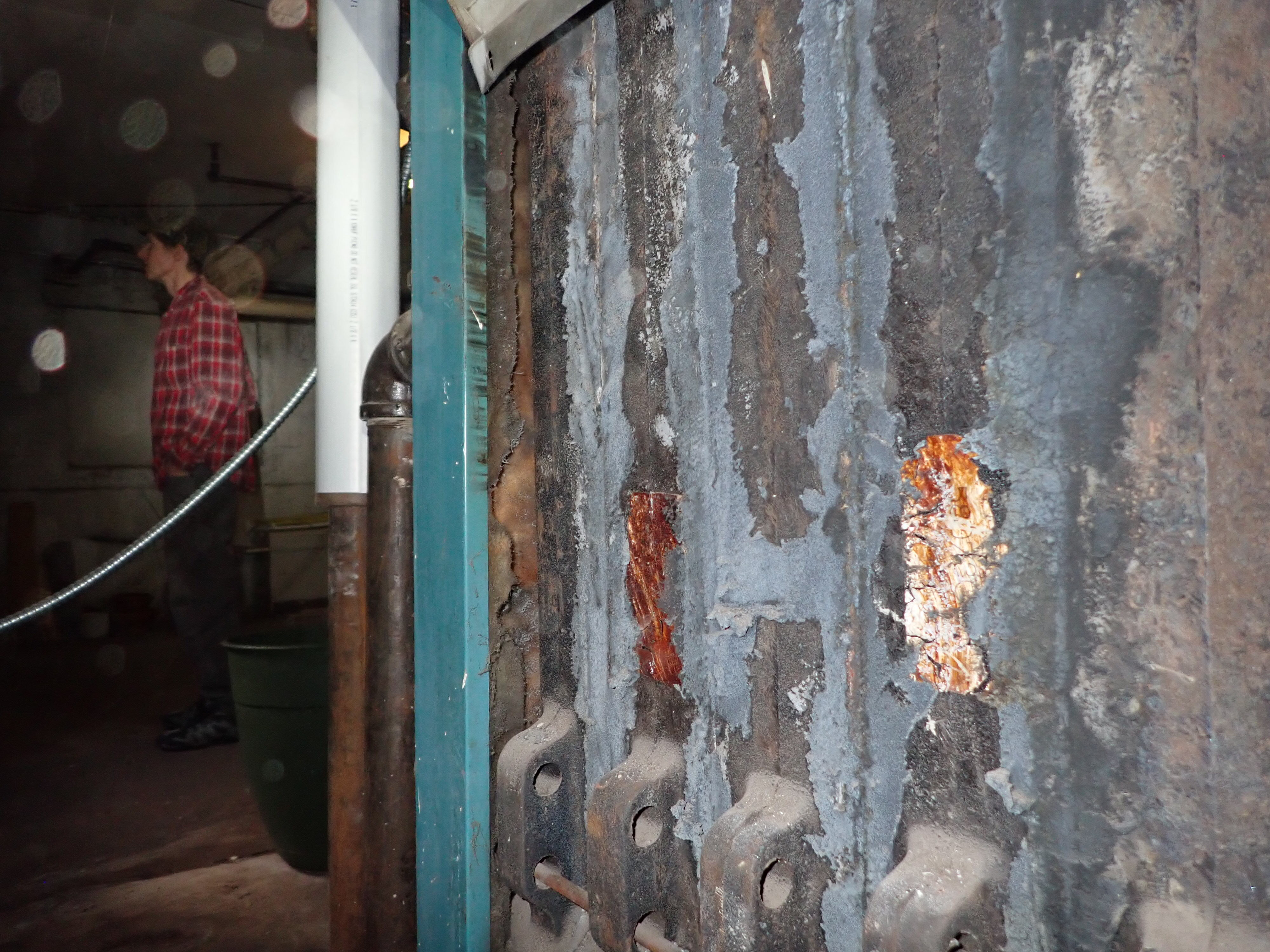
60 year old Bryant steam boiler. Does the cast iron look more recently patched or could this be from original manufacturing? I didn't see the boiler fire but there was water in the sight-glass. No leaks.
-
 "Quick tip to make your writing more engaging: Never start a sentence with "There is." When you do, that sentence is entirely unnecessary. Instead of saying "There is <thing>." Just jump right into whatever it is that's a problem with this thing. For instance, you might write: There is much efflorescence (white powder) at the east and back walls of the building. This is typically caused by excessive moisture coming into contact with the water soluble salts in the brick and/or mortar. You can brighten it up even more by getting rid of two-for-one phrasing and unnecessary modifiers: There is much efflorescence (white powder) at the east and back walls of the building. This is typically caused by excessive moisture water coming into contact with moving through the water soluble salts in the brick and/or and mortar. Finally, get rid of the passive voice: At the east and back walls of the building, water entering and moving through the brick has caused efflorescence (white powder)." Much better. Thanks.
 -
The importance or not of efflorescence on brick.
Mike Lamb replied to Mike Lamb's topic in Exteriors Forum
I found these remarks from the BIA tech notes: "Efflorescence that appears on newly constructed brickwork, less than a year old, is referred to as “new building bloom.” New building bloom generally appears in a fairly uniform pattern across the wall surface and can be attributed to normal evaporation of water after construction is complete. In most cases, new building bloom will dissipate over time if the brickwork is allowed to dry after completion and if environmental factors such as wind and rain are given sufficient time to naturally clean the brickwork. When efflorescence occurs more than a year after construction is complete, it can generally be attributed to excessive water penetration or poor drainage and is often most severe in winter or periods of cold weather. Under certain specific circumstances and conditions, it is possible for the crystals of efflorescence to form within the bodies of brick units. When this occurs, the growth of crystals and the resulting pressure may cause cracking and distress to masonry. It is not practical to attempt to exclude all soluble salts from masonry materials, nor is it possible to prevent moisture from coming in contact with masonry exposed to the weather." AND : Known as cryptoflorescence or subflorescence, salts that crystallize within masonry can develop tremendous pressures which may result in brick spalling. So I guess to answer the question in my OP. It may or may not be an important problem. They will just have to wait and see. After six years, except for the efflorescence, brick and mortar is in good condition. -
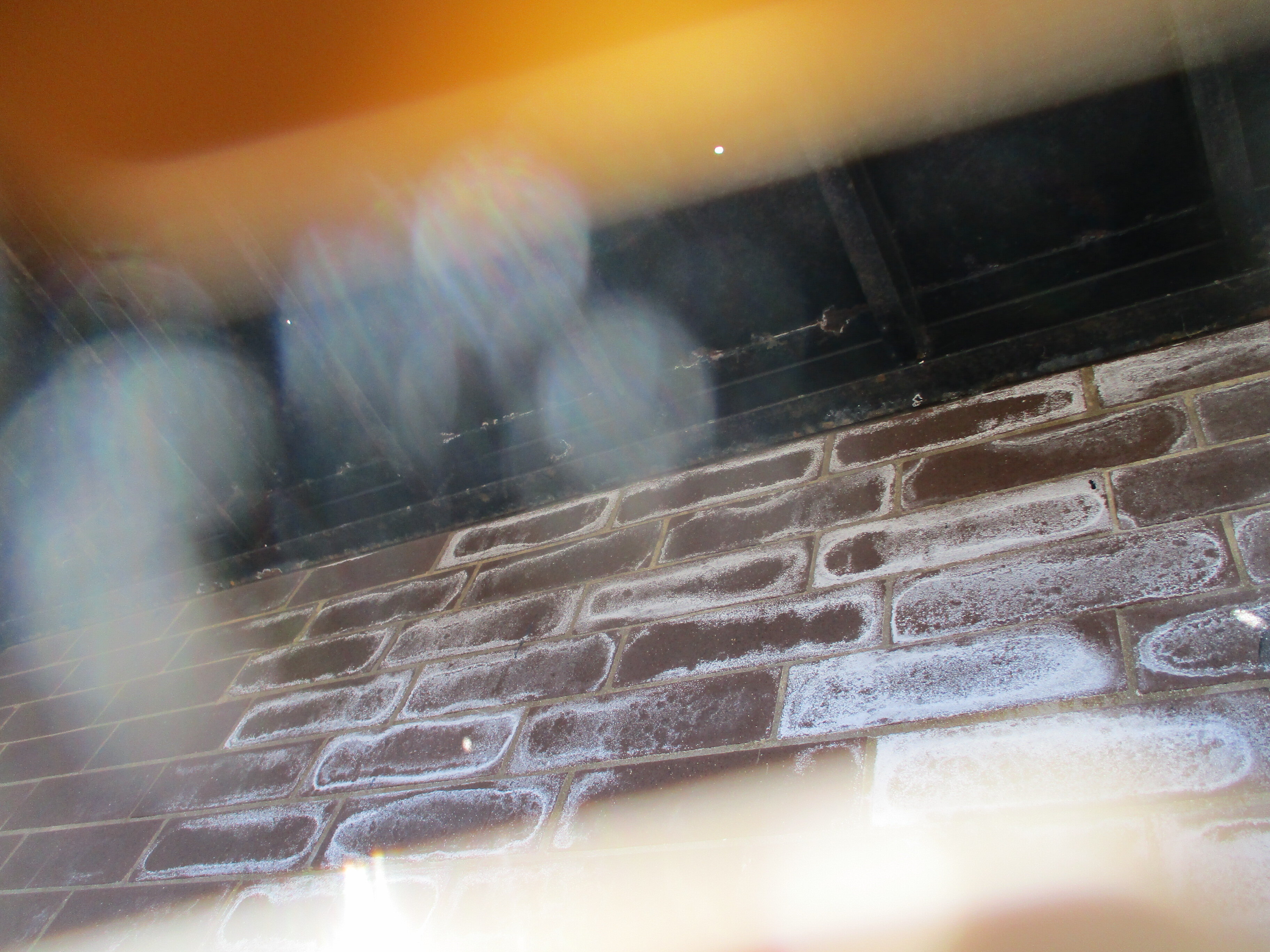
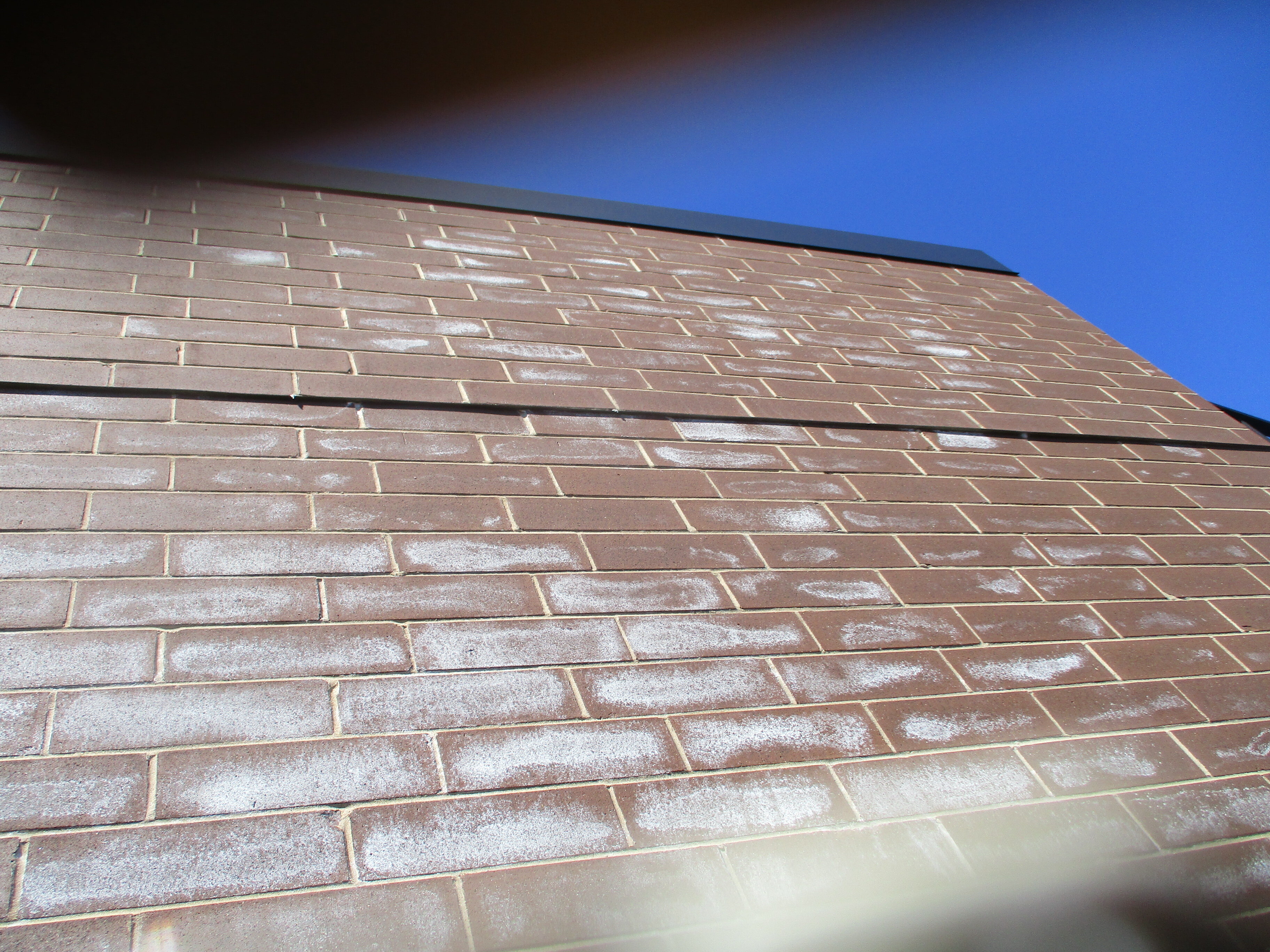
This is from a 2018 three story condo building. The east had much efflorescence. The rest of the building was good. I found the efflorescence to be excessive. How important is this to the owners of the building to do something about it? My remarks below in the report are a little wishy-washy. There is much efflorescence (white powder) at the east and back walls of the building. This is typically caused by excessive moisture coming into contact with the water soluble salts in the brick and/or mortar. Most of this seems to be on the side where there are decks/porches. Note: I did not see appropriate flashings above the porch ledgers. Water running behind the ledger may enter the bolt penetrations and be contributing to this. Consult a mason familiar with efflorescence cleaning and remediation. Consult a porch specialist on how best to flash or seal the areas above the ledgers.
-
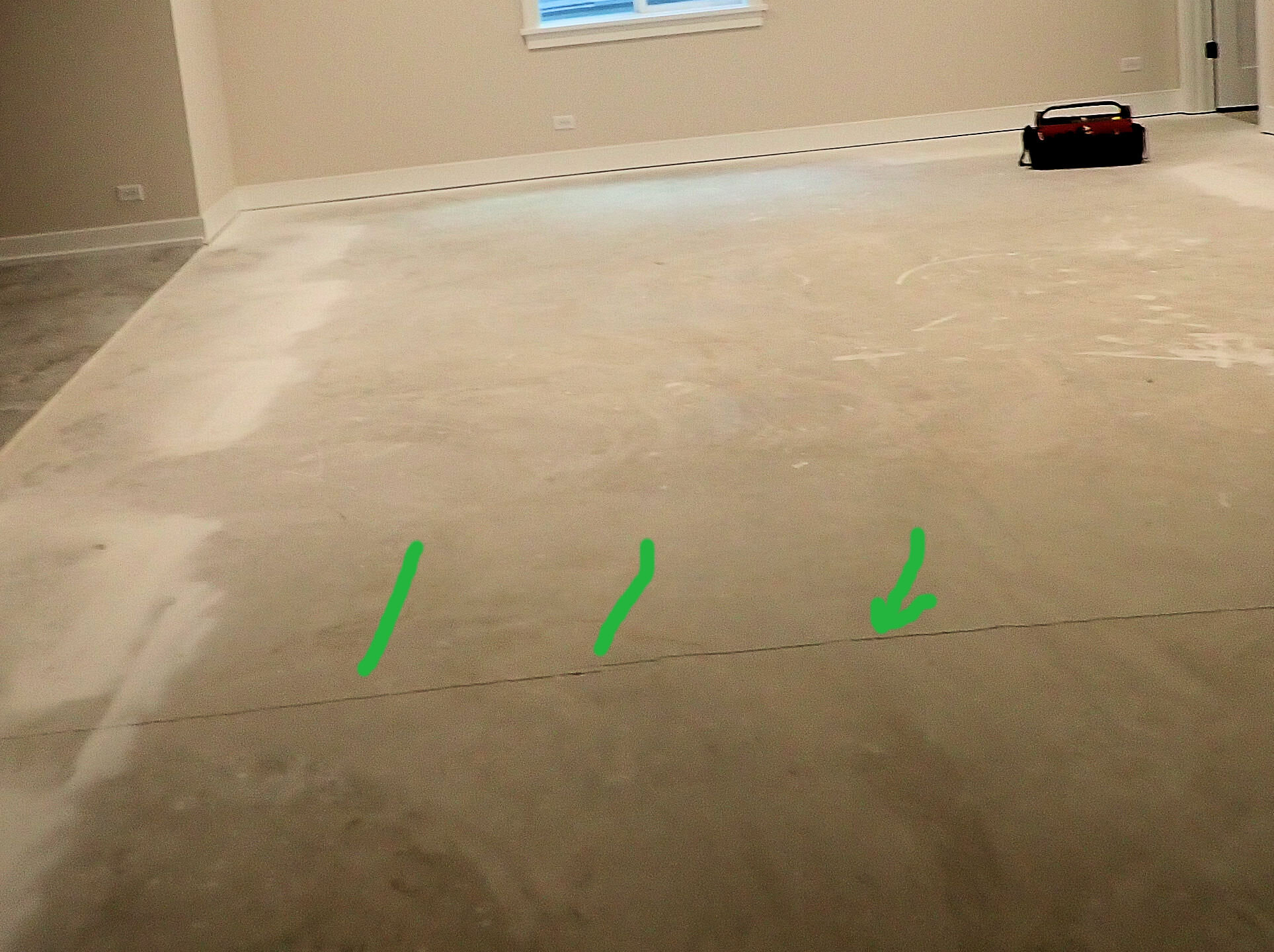
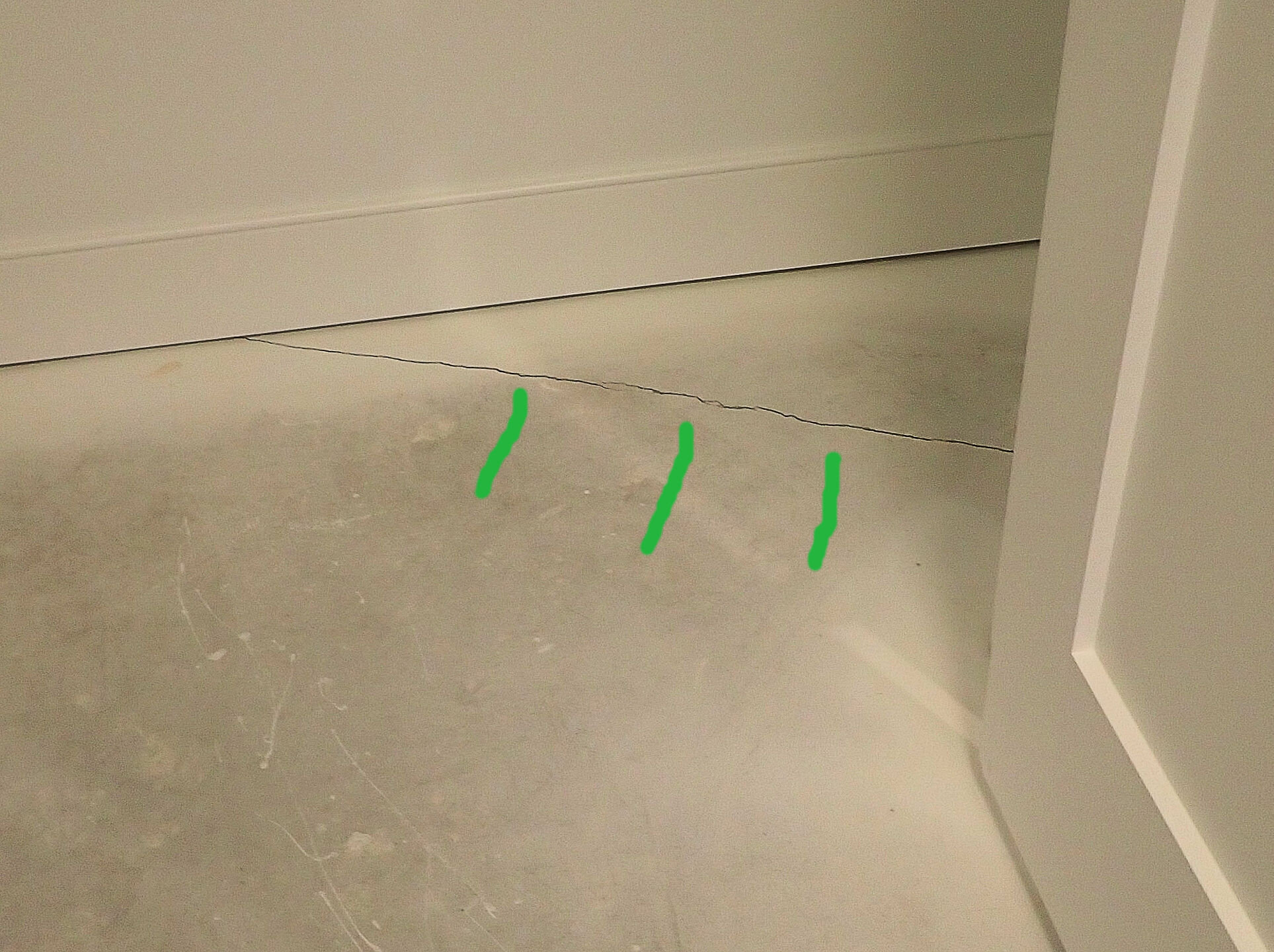
This basement floor had a bunch of relatively straight cracks at various locations. The builder told me that they were control joints and the method used is to lay a strip of metal – Or something like that –beneath the concrete surface and an intentional crack will develop there. I never heard of this and my research came up with nothing to corroborate. He said it was a relatively new thing. I don't think it's a problem but is the fellow full of malarkey? Thoughts?
-
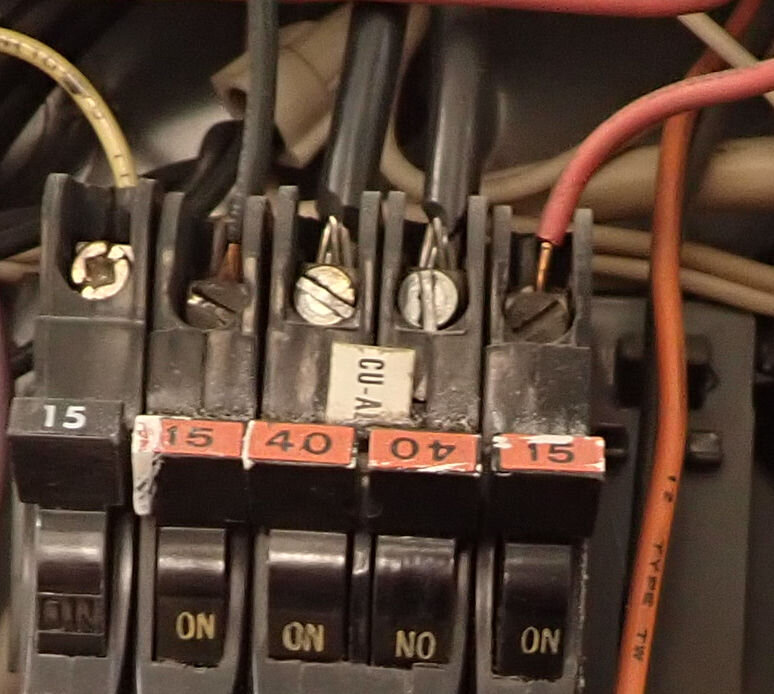
Should aluminum strand branch wiring be called out the same as single wire aluminum? I read on at least one site that was okay but I don't know if that is credible information. I have called for panel replacement. Should the aluminum branch circuit wiring also be called out? The circuit is for a wall AC unit.
-
Is there a legit coded requirement that hose bibs be installed at the front and back of residential housing? Or is it required that any hose bibs needs to be installed at all? I am finding a recommended reference from American Legal Library but I don't know who they are or what jurisdiction they have if any. 1102.03 PLUMBING CODE REQUIREMENT. The following provisions, to be added to the OBOA/CABO One, Two and Three Family Dwelling Code, are hereby recommended for the Seven Hills Building Code: 3100.1 RESIDENTIAL PLUMBING REQUIREMENTS. (a) Two exterior hose bibs or sill cocks shall be installed on each residence one on front wall, one on rear wall, each provided with accessible stop cock or valve. Each hose bib or sill cock shall be protected by a listed and approved "back flow preventer" or vacuum breaker to prevent any water flow into the potable water (drinking water) supply system.
-
Thank goodness the Illinois SOP prohibits such things. video.mp4
-
I don't know if this is a problem or not. The interior perimeter of these thermal paned windows has a cracking plastic. None of the windows shows signs of a bad seal with fogging or moisture between the glass. Might this adversely affect the R-value? I will take any remarks. Thanks.
-
And this?
-
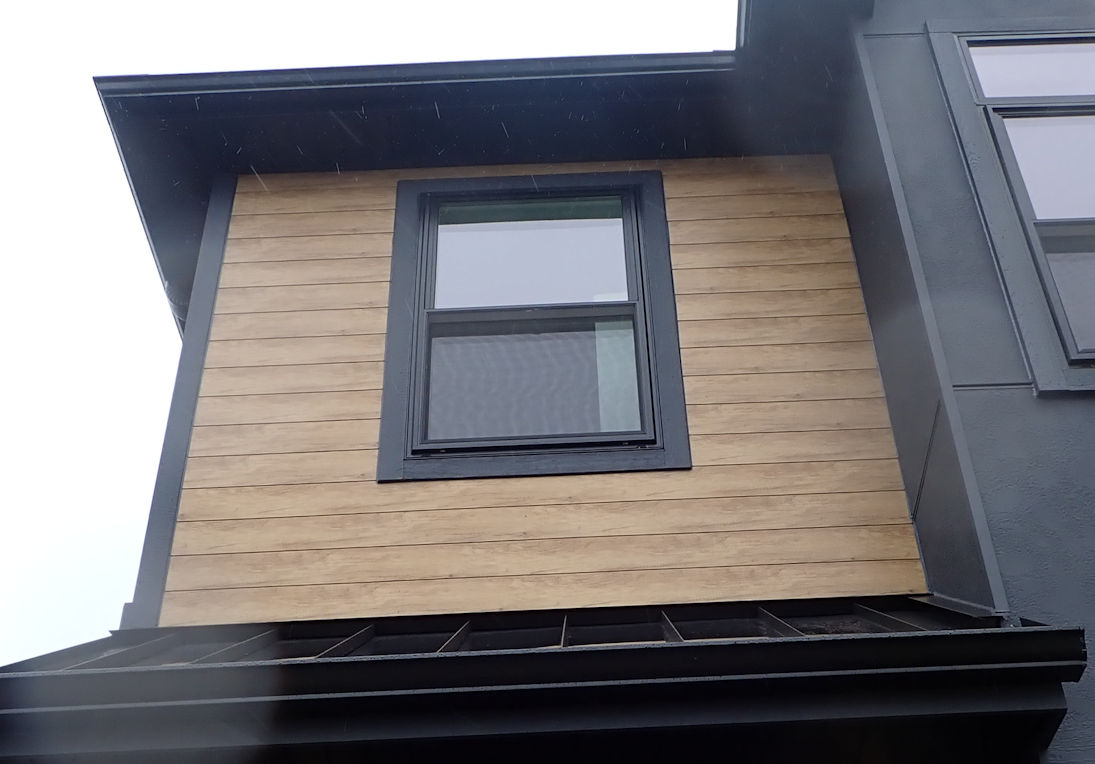
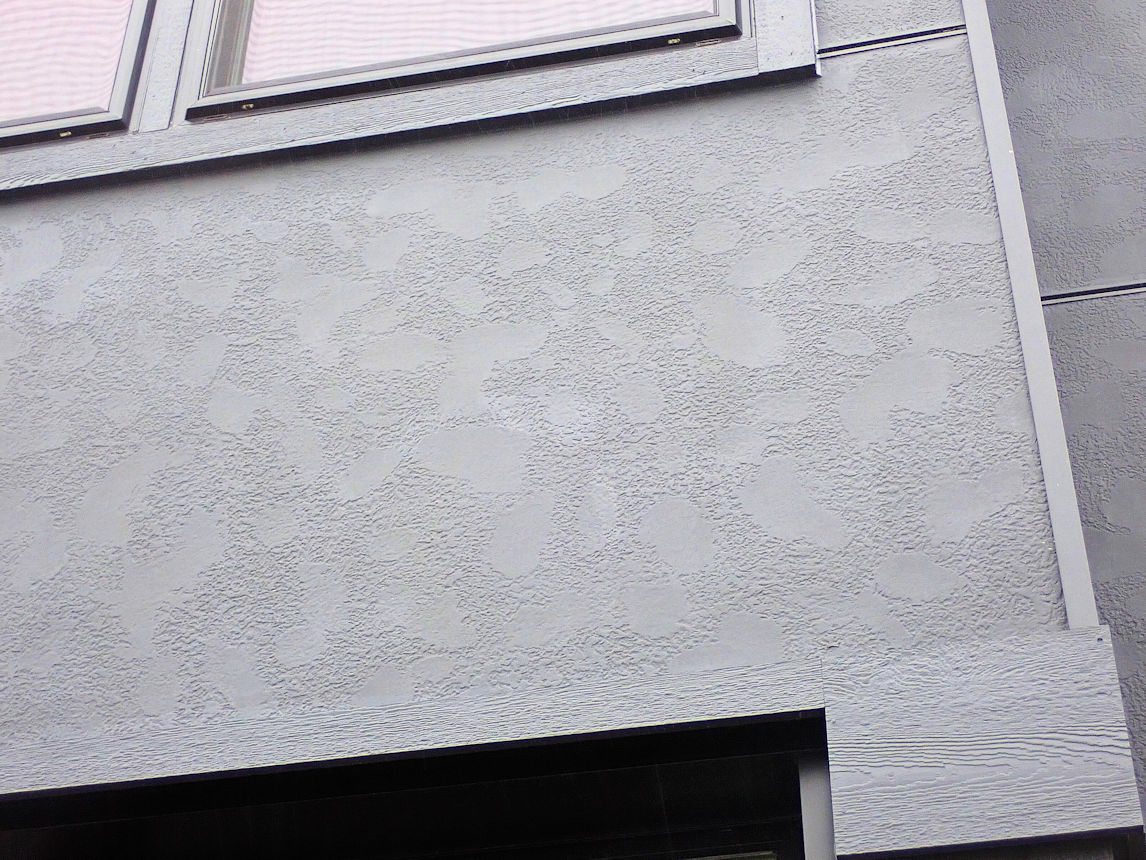
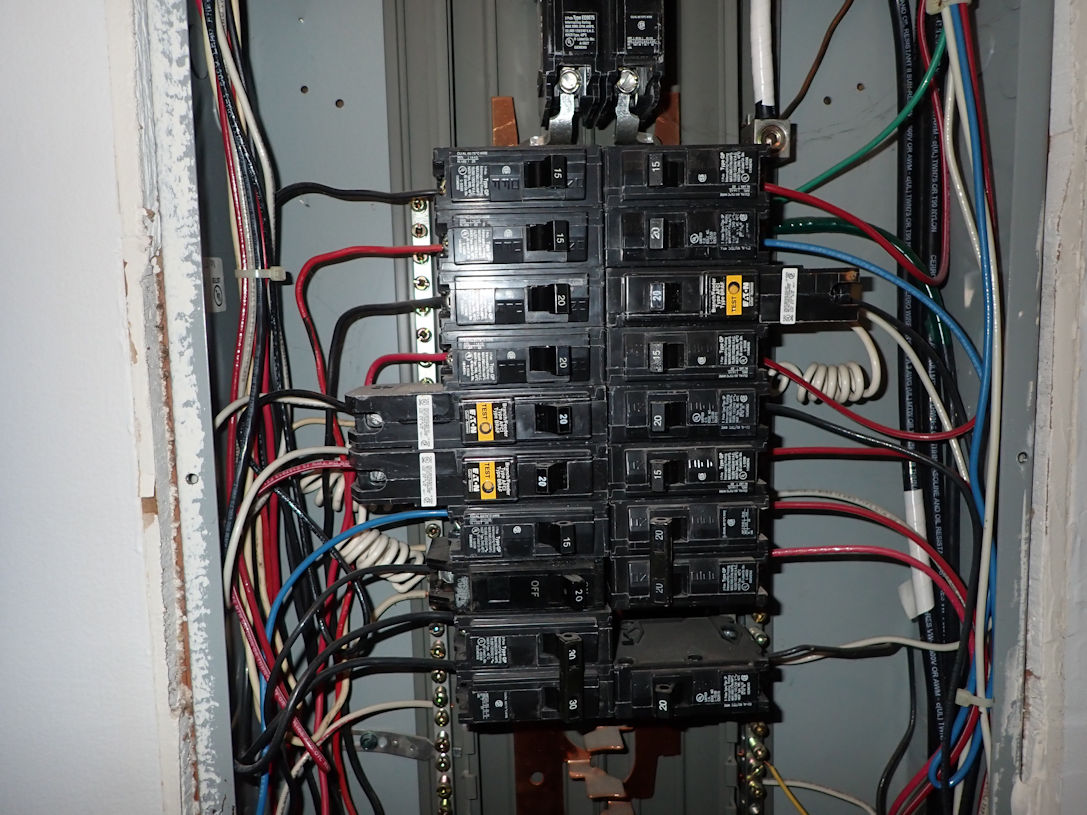
Any guesses as to what kind of panel this is? Sides of the house were LP boards.
-
.
-
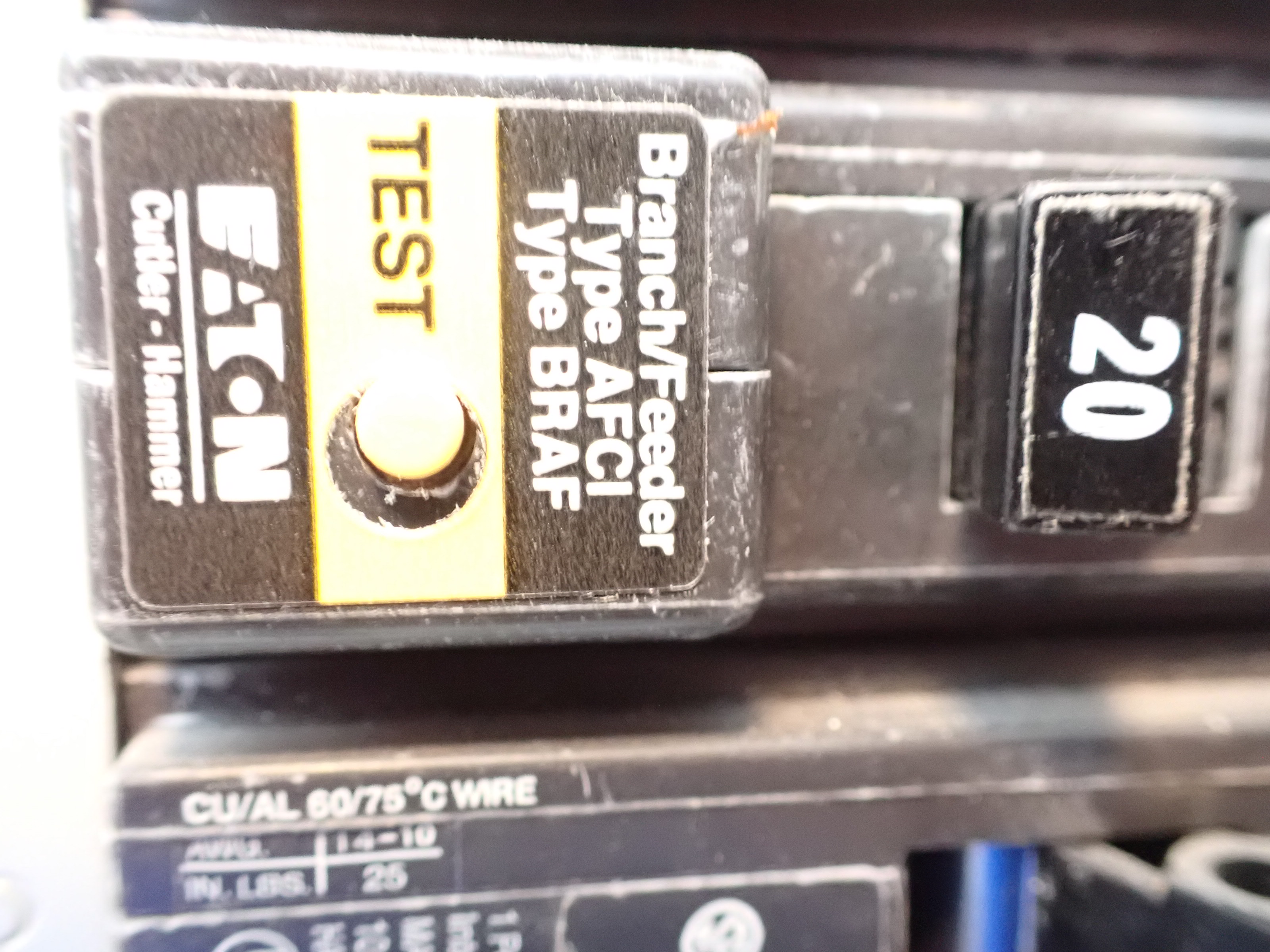
I pressed the test button on this Cutler Hammer - Eaton BRAF - AFCI and it immediately started to sizzle and smoke. I manually shut the breaker off. I did some googling and did not see anything about recalls. Anybody else have this experience?
-
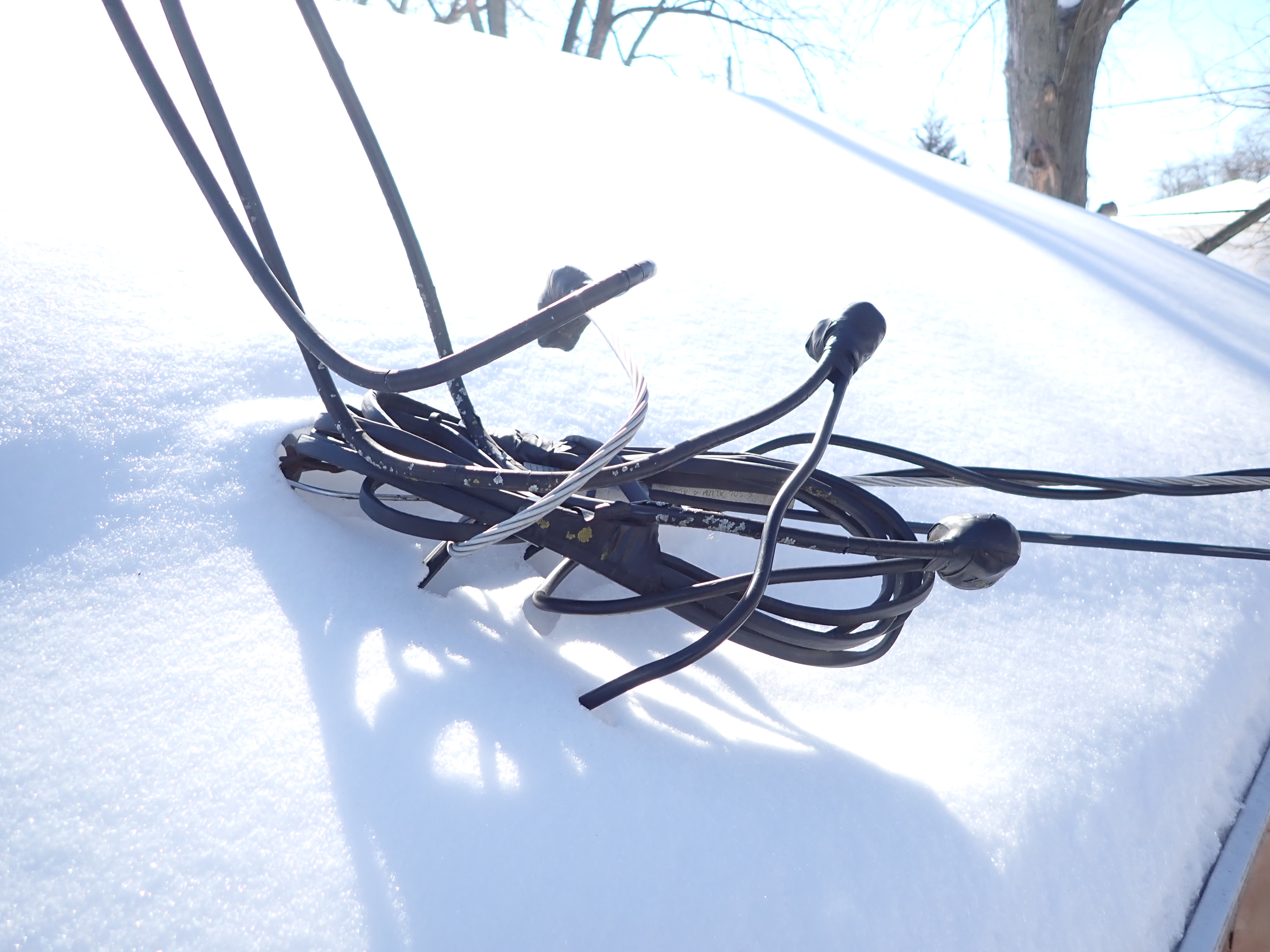
There is a lot of extra wire from the service drop that has been wound up before the splice at the masthead. Is this bad? Can this cause any problems?
-
It's called a "check" and most large pieces lumber will develop it as it dries out. It's not a structural concern. If the crack continues through to the other side of the lumber it is a split, and that can be a structural problem. The pictures look like a typical check.
-
Yes. Of course.
-
.
-
What year was the ANSI date required on gas appliances? I don't believe I have seen anything dated from the 70s so I assume pre-1980?
-
This has happened to me once before. I kick my foot through the photoelectric safety reverse beam of the overhead garage door - near one of the beams - and the door does not reverse. I try again near the center of the door opening and the door goes up like it is supposed to. I repeat, and the same thing happens?? Anyone experience this? Remarks?
-
That's great. Thanks.