Mike Lamb
-
Posts
2,731 -
Joined
-
Last visited
Content Type
Profiles
Forums
Articles
News for Home Inspectors
Blogs
Gallery
Store
Downloads
Everything posted by Mike Lamb
-
Code pretty much says don't let outside water get inside. You should look at the manufacturer's instructions. Or https://ncma.org/wp-content/uploads/2020/08/MSV_InstallationGuide_5thEd_4thPrinting.pdf
-
Right on, Bad Air. I looked back and the prop. had tankless. Thanks.
-
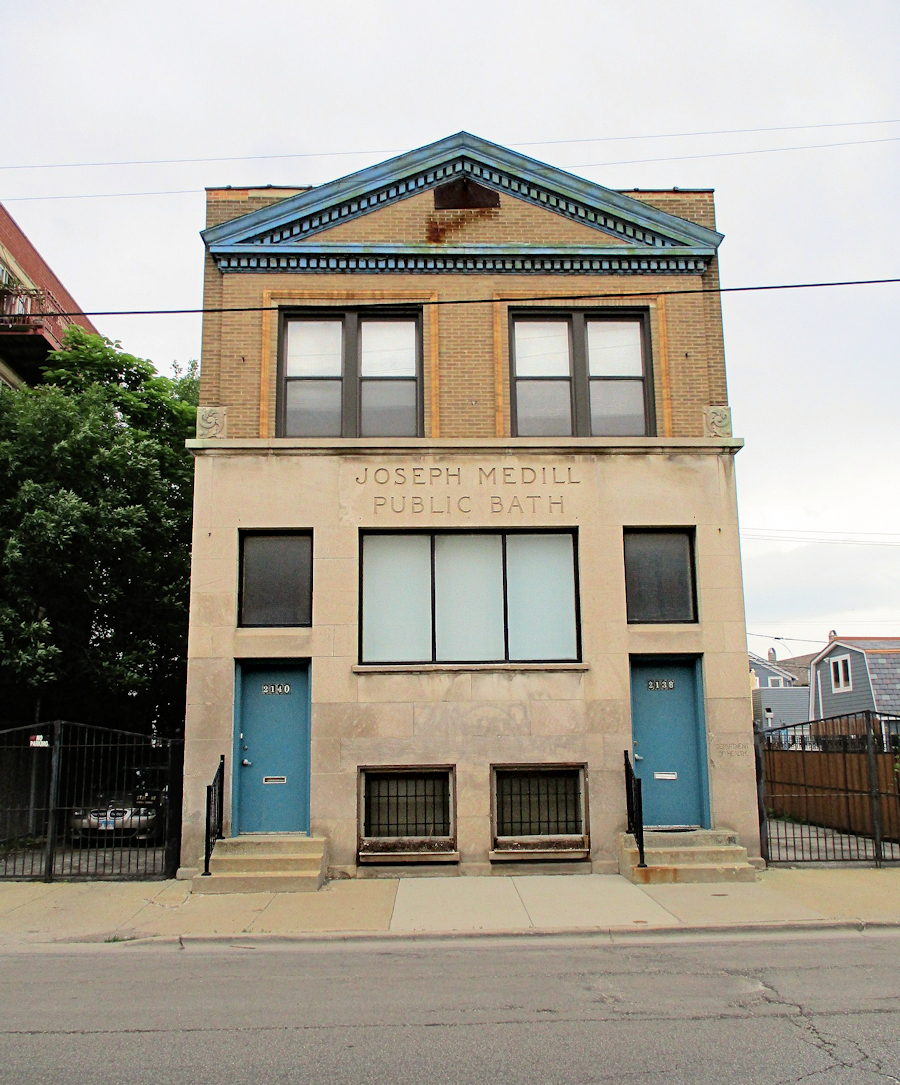
I couldn't tell you. It sort of looks like the same architect who designed the old Chgo firehouses. Unfortunately, my inspection was the building to the left.
-
Before indoor plumbing became code.

-
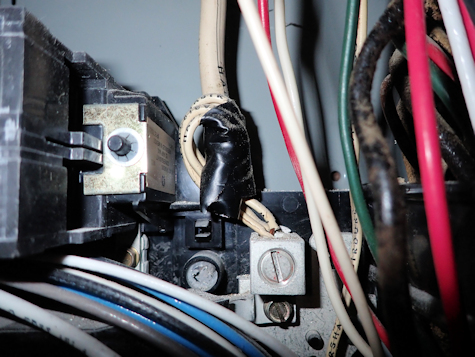
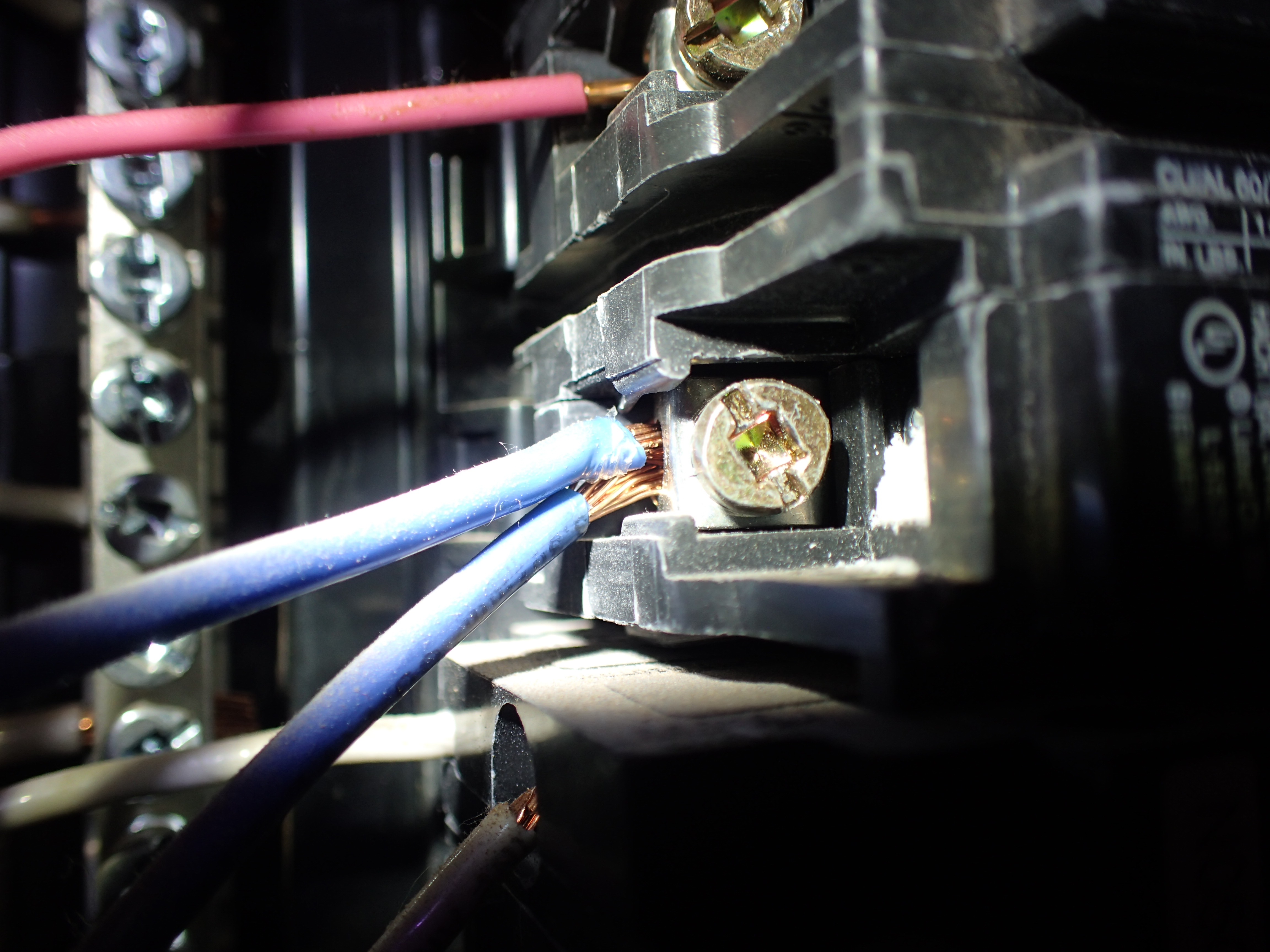
Is this worth calling out for repair? Or noting at all? The SEC neutral apparently would not reach the new panel lugs so it has been spliced with three 12 AWG wires. The schematics call for a single wire but I assume the main neutral was also a strand.
-
I have never seen light tube without a lens on top. I did not have access to the unit below.
-
Bathrooms and kitchens were on the other side of the building so not likely. I could see no lint if they were for dryer vents. No smell. There was a sister building and that had the same thing near the AC units.
-
I saw these on a 2009 building and do not know what they are.
-
Main panel hot wires using neutral busbar at a different panel ??
Mike Lamb replied to Mike Lamb's topic in Electrical Forum
Do you mean to a generator? No. -
Main panel hot wires using neutral busbar at a different panel ??
Mike Lamb replied to Mike Lamb's topic in Electrical Forum
Thanks. -
Main panel hot wires using neutral busbar at a different panel ??
Mike Lamb replied to Mike Lamb's topic in Electrical Forum
This is the other panel - I don't know if subpanel is the right word. The 100A main has no wires running to it.
-
Main panel hot wires using neutral busbar at a different panel ??
Mike Lamb replied to Mike Lamb's topic in Electrical Forum
Yes. -
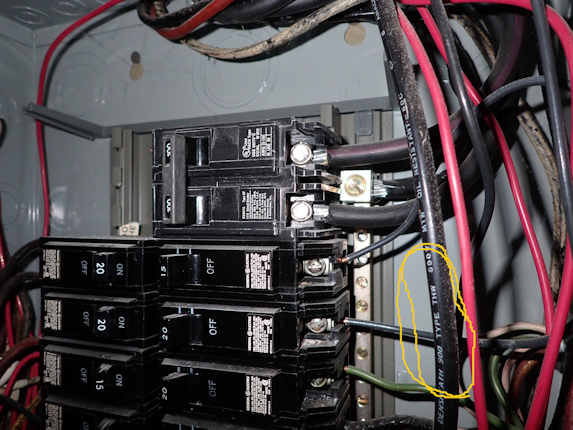
I'm trying to get my head wrapped around this. A neutral wire has been tapped at the bus bar of the main electric panel and then run to another panel with a bunch of hot wires which are wire nutted at the separate panel and those wires are using the neutral bus on the separate panel instead of the main panel. Is this okay? If not, ramifications? The first picture is the neutral running from the service panel. the next two pictures are at the auxiliary panel.
-
Does a dirty/opaque sight glass mean a steam boiler has not been flushed regularly?
-
Single Double tapped 20 amp breaker.
Mike Lamb replied to Keith Snell, Blue C, LLC.'s topic in Electrical Forum
I always write it up and call for electrician to correct it. Today's double tap showed insulation that might be melting. I also write up under wired breakers, 14 AWG with 20 amp, although I've never seen a problem with this.
-
It looks like there were water problems at the corner. The radiators were leaking? Make sure there are no ongoing moisture issues with the pavement. Cover the area with plastic taped at the edges and see if you get any condensation underneath. I'm not a big fan of mold testing.
-
Joist size and spacing? 16 O.C.?
-
This boiler piping is about 20 yrs old. Never seen it before.
-
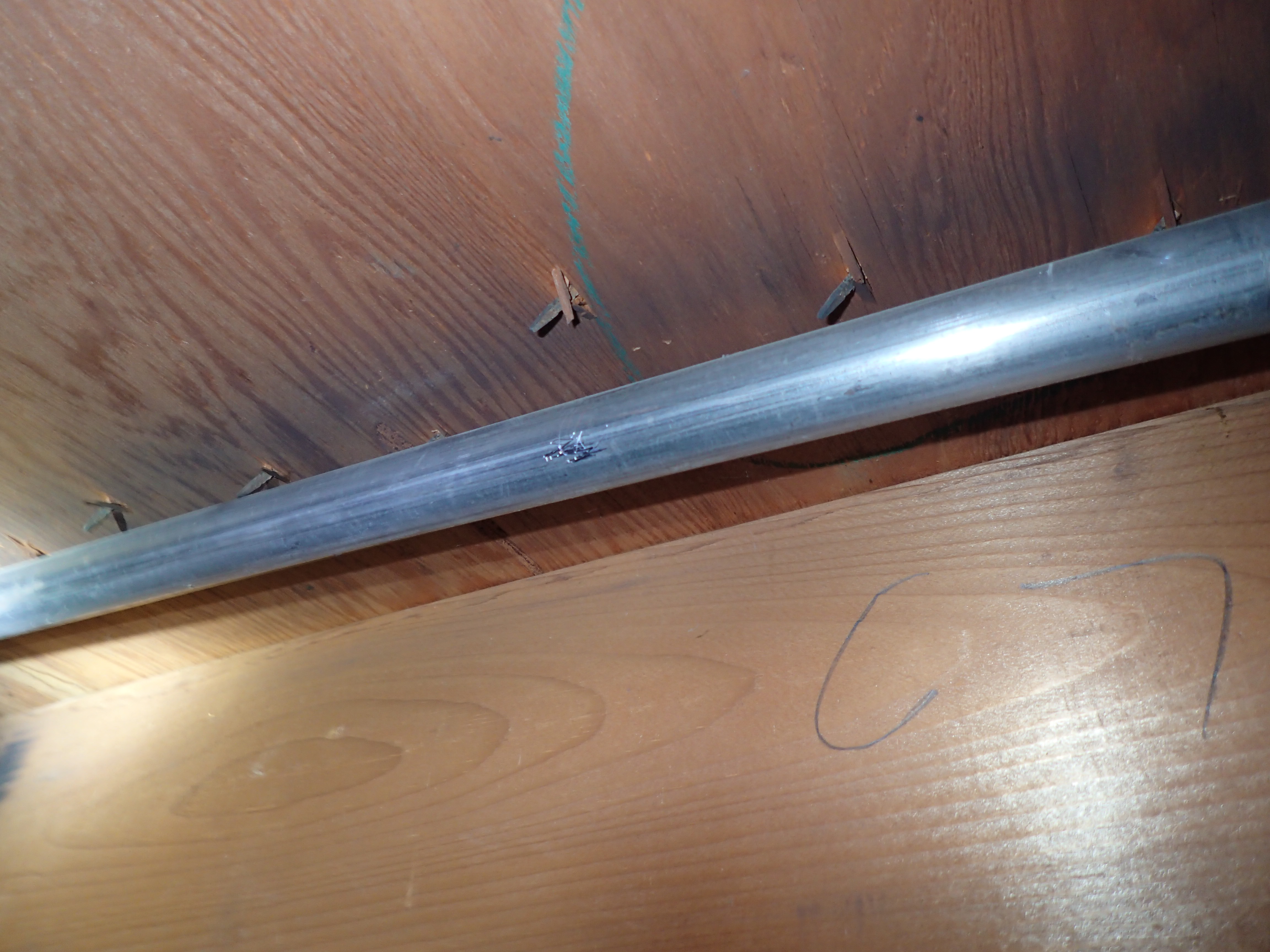
I thought of grabbing my magnet but my tool box was at the other end of the crawlspace, and I was too lazy to go get it.
-
Is it worth noting – and/or recommending action – when the SEC has an amp capacity of 90 with a 100 amp main disconnect? In this case, #2 AL, THW.
-
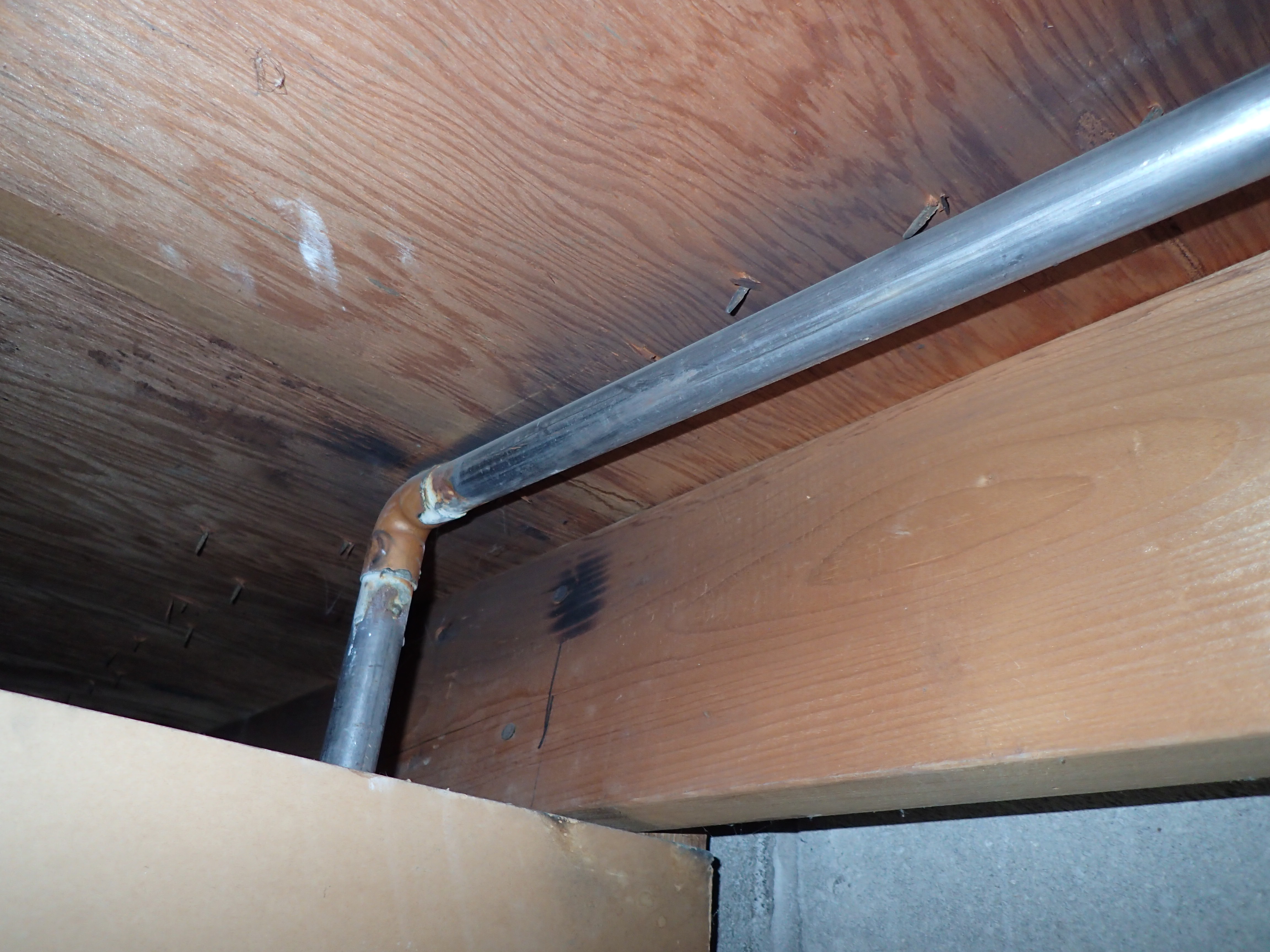
The main runs of this boiler piping is silver. What material is this???
-
Thanks. I should have Googled first. I thought cleaning from the registers would be easier.
-
I often see these black plugs on HVAC ducts. What are they for?
-
This isn't a 2 family unit but I assume this is the intention.