Mike Lamb
-
Posts
2,731 -
Joined
-
Last visited
Content Type
Profiles
Forums
Articles
News for Home Inspectors
Blogs
Gallery
Store
Downloads
Everything posted by Mike Lamb
-
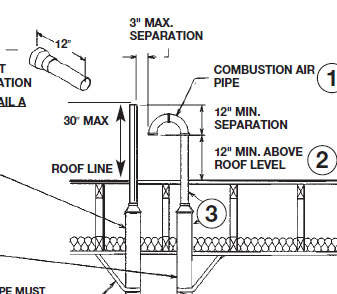
Thanks. I found this in my library for a Rheem direct vent. The vents are a little high. Lateral is not an issue.

-
Does the 8 foot lateral clearance to sidewalls apply to PVC Cat IV vents? I did not see anything in the codebooks to suggest that it does not. However, I don't see anything in the manufacturer's instructions regarding this.
-
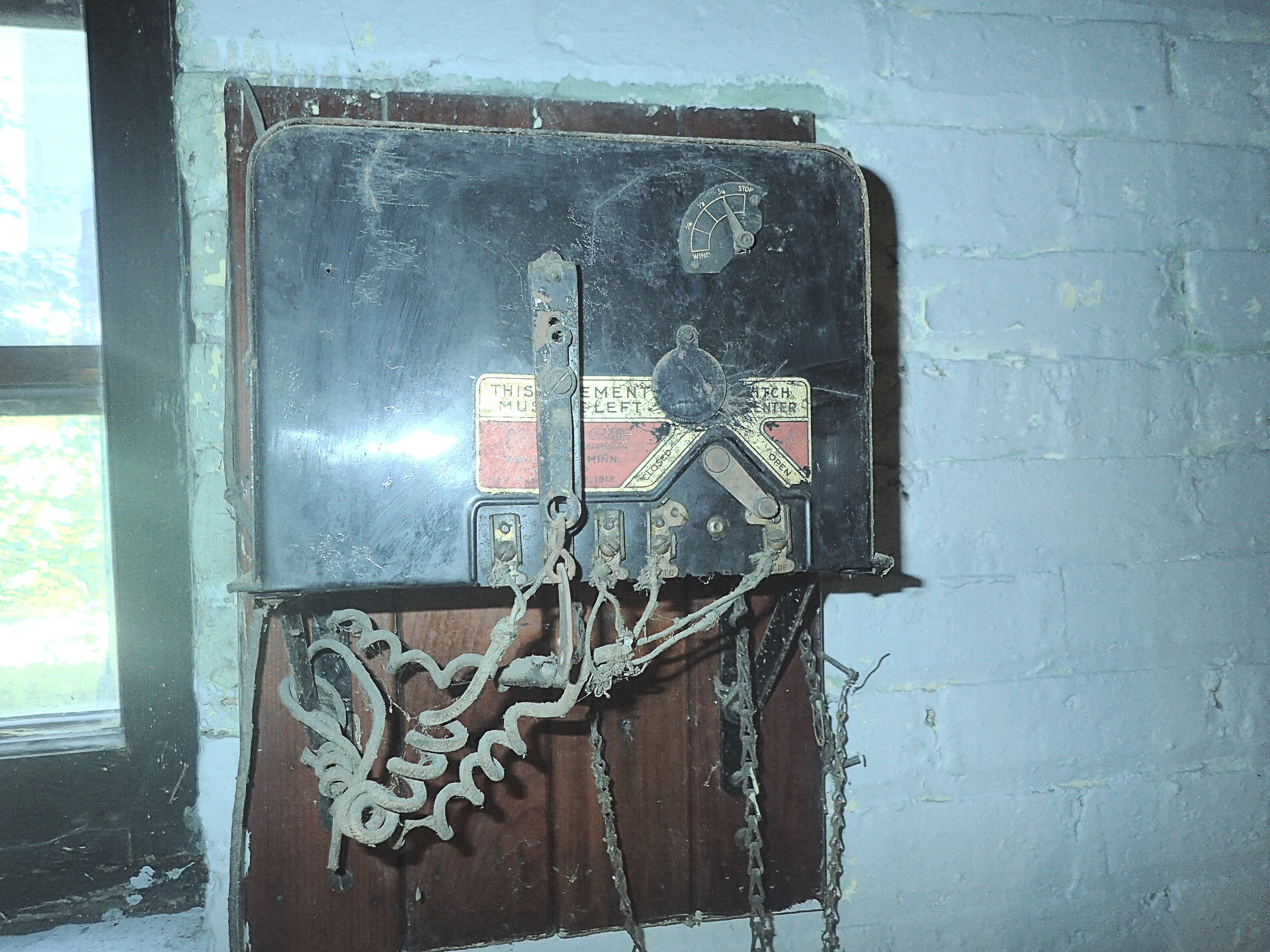
What is this? The house - 1920 - used to have oil heat with tanks in the basement. There were pulleys from chains beneath this thing connected to nothing.
-
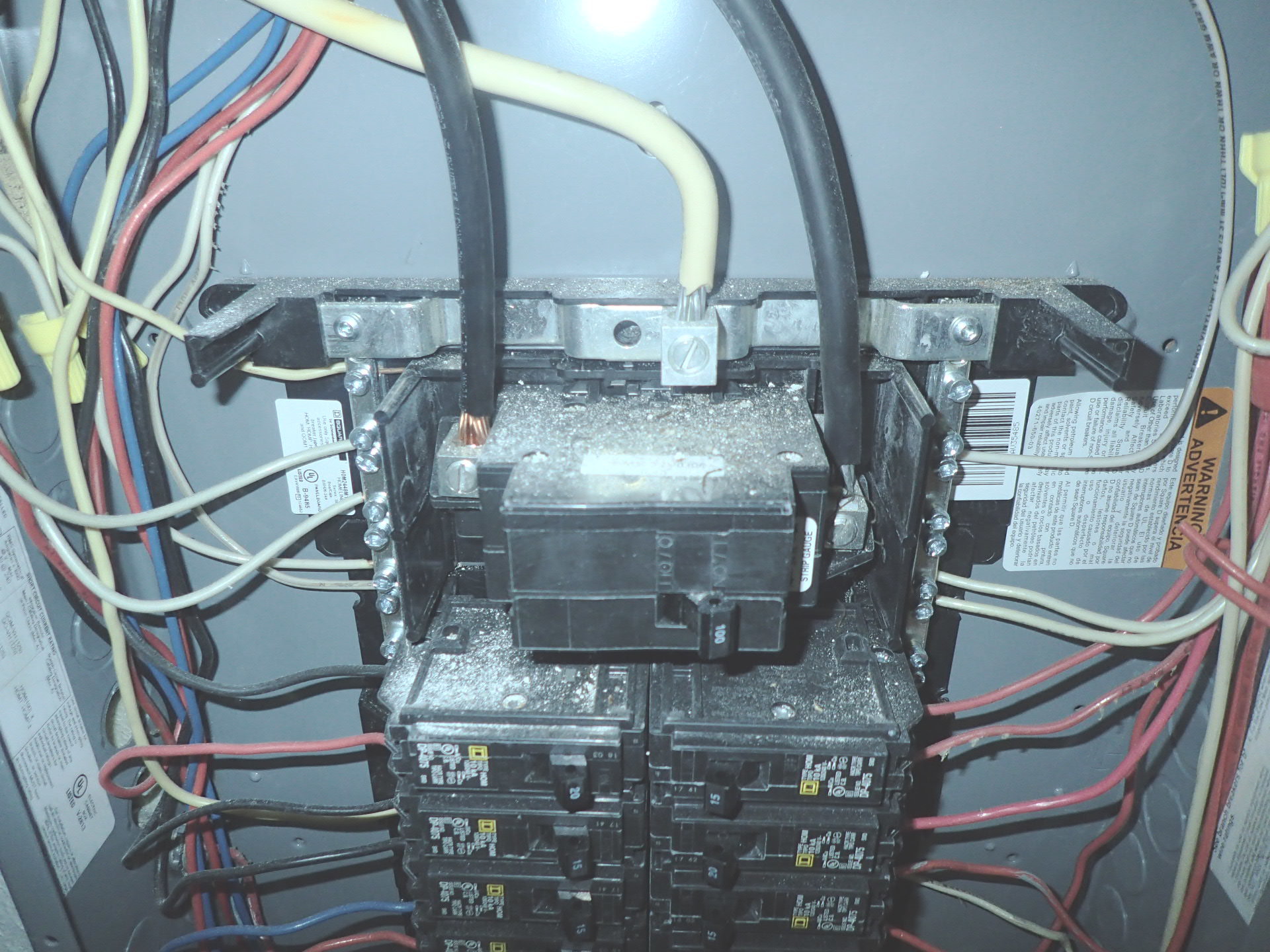
Is there any prohibition of mixing copper and aluminum for the SEC hots?
-
I recommended removing it. I have seen this many times before but never on one of my inspections.
-
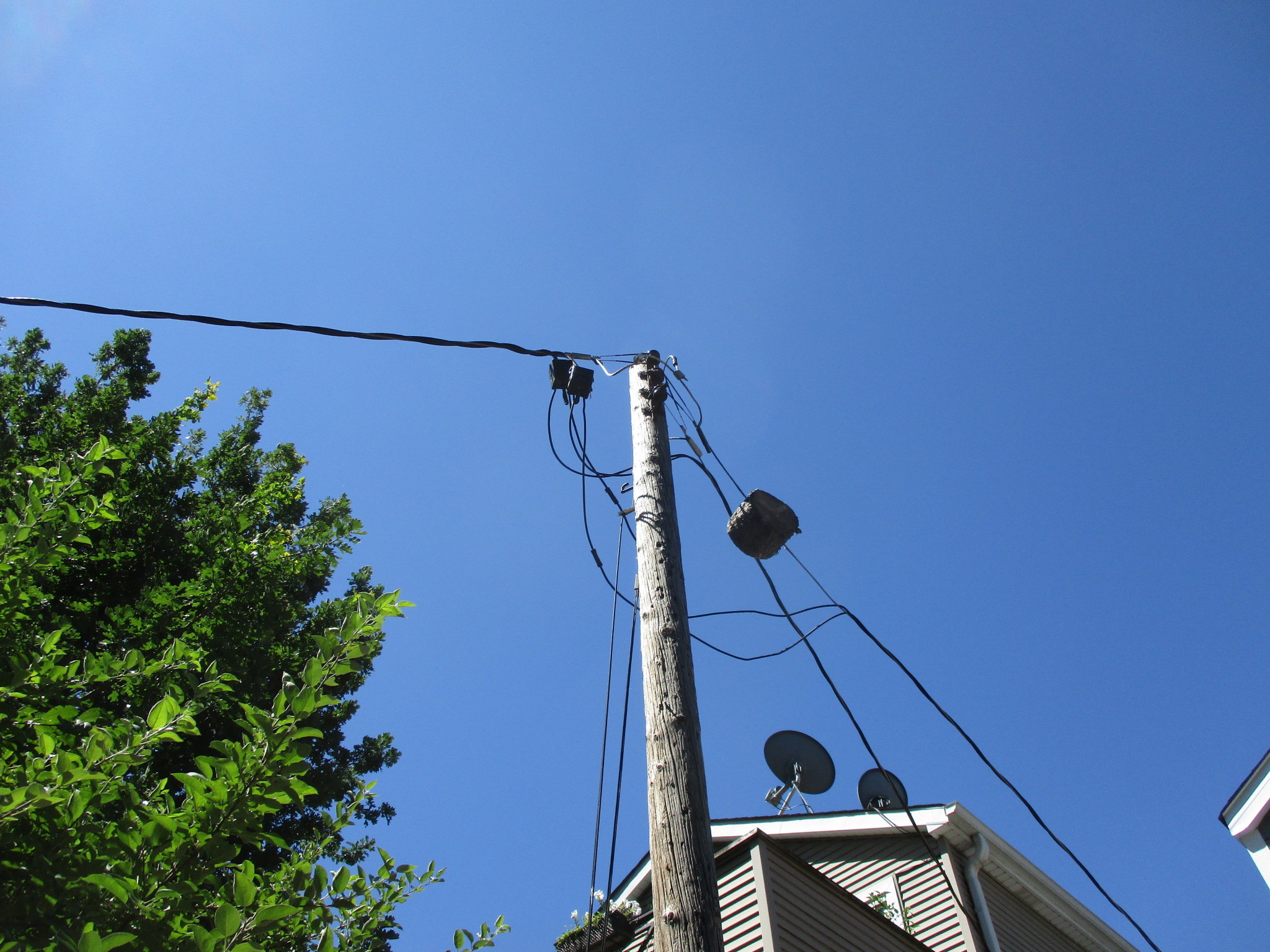
Would you recommend that the tree that has grown around this outside neutral wire be removed? Besides the weight, I don't think it's doing any harm.
-

bad smell under sink and in base cabinets
Mike Lamb replied to plumberchrissie's topic in Plumbing Forum
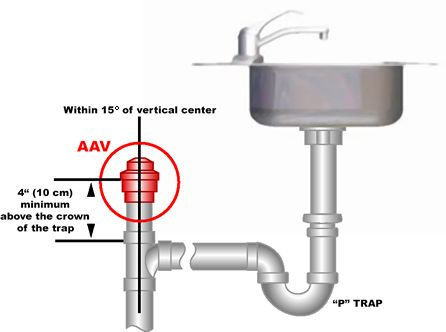
Single bowl sink. Install an Air Admittance Valve - AAV (aka Studor vent). Water may be getting sucked out of the P-trap every time you drain the sink, or other drains are using the sink drain for venting. Is roof vent clogged?
-
I had no problem – no fires, no explosions – using my old charger with my newer battery.
-
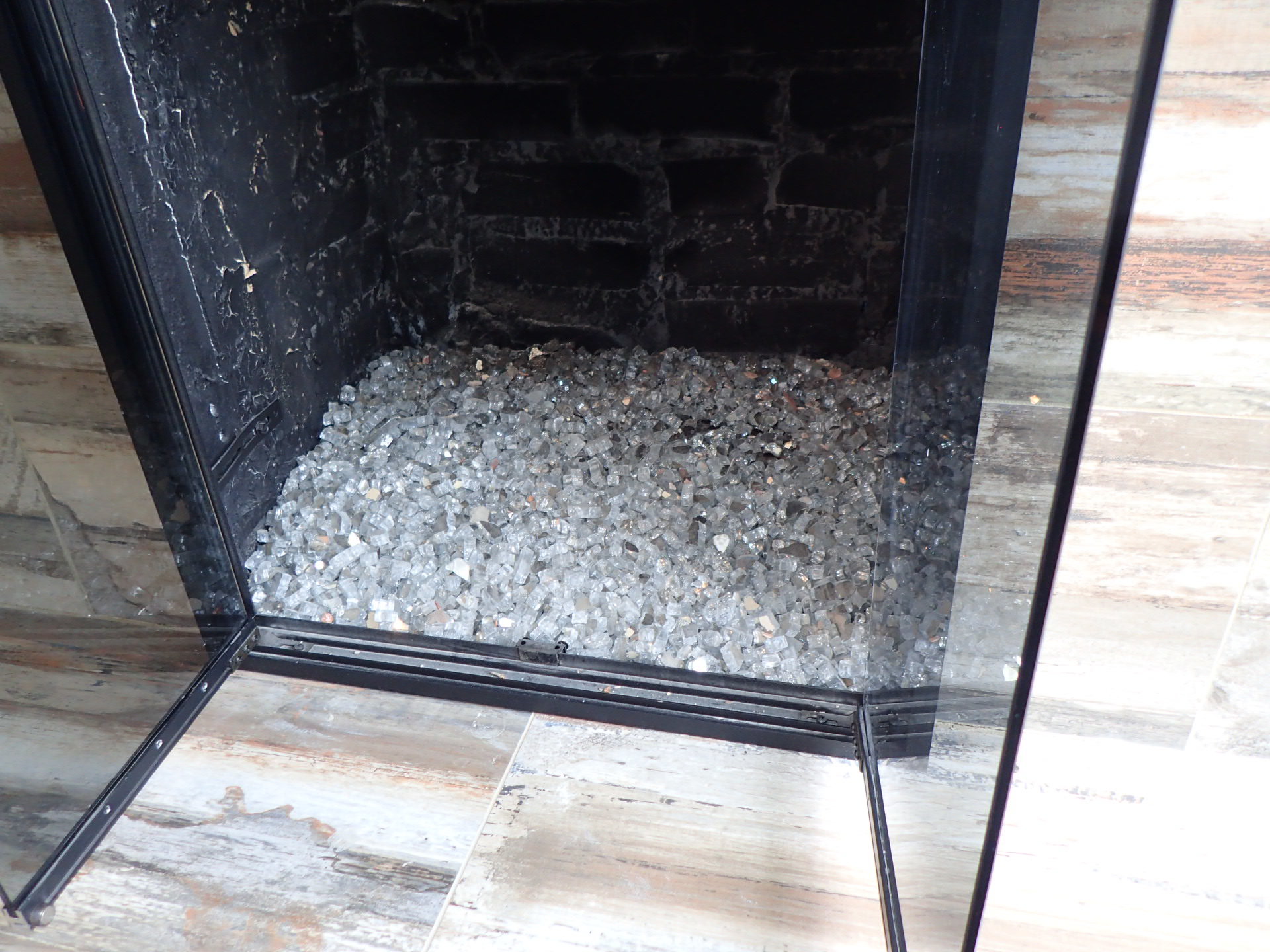
This is the first I've seen this. With this fireplace you're just supposed to throw a match on top of the fire glass once you turn the gas on. I did not attempt to do this. Does anyone have experience with this? http://www.thecustomfireplace.com/defigl.html
-
I bought the Fenix UC35 and am happy with it so far. Sunlight bright with four levels of brightness. I did not get Chad's discount but was given $36 off because of an insiders discount – not sure what that meant but I bought Fenix before. I got it in four days. $54. No shipping fee. Does anyone know if it would be a problem to recharge my new 18650, 3.6 V, 3400mAh, in the charger for my old 2600mAh, 3.7 V batteries?
-
Is Fenix still the go to flashlight? My PD31 which I loved has finally crapped on me with an unworkable on/off button after six years I believe. I am now using my Ultra fire XD-502B back up which I bought a few years ago for about $11 and have never used. Very nice light. And about $60 less than the Fenix.
-
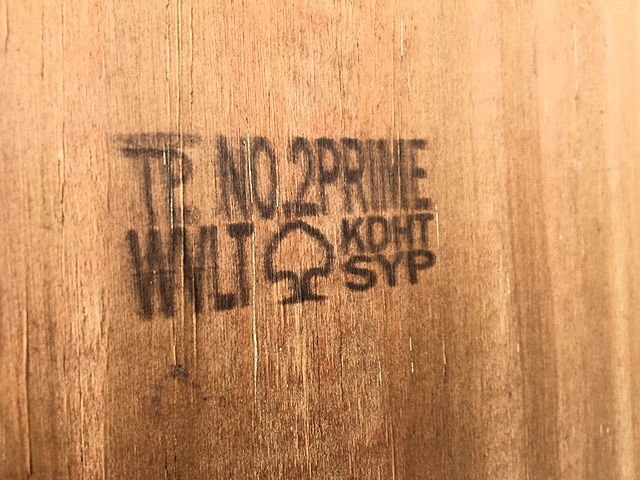
This lumber is being used for an outside deck. It looks like standard construction grade and nothing that should be used outside. Do these stamps determine location use? I did a quick walk-by and will look at the house tomorrow. Typical pressure-treated lumber is tagged at the end of each piece with treatment info.
-
Our colleague Kurt got some interview time in today's Chicago Tribune homes section. HI buying mistakes.pdf
-
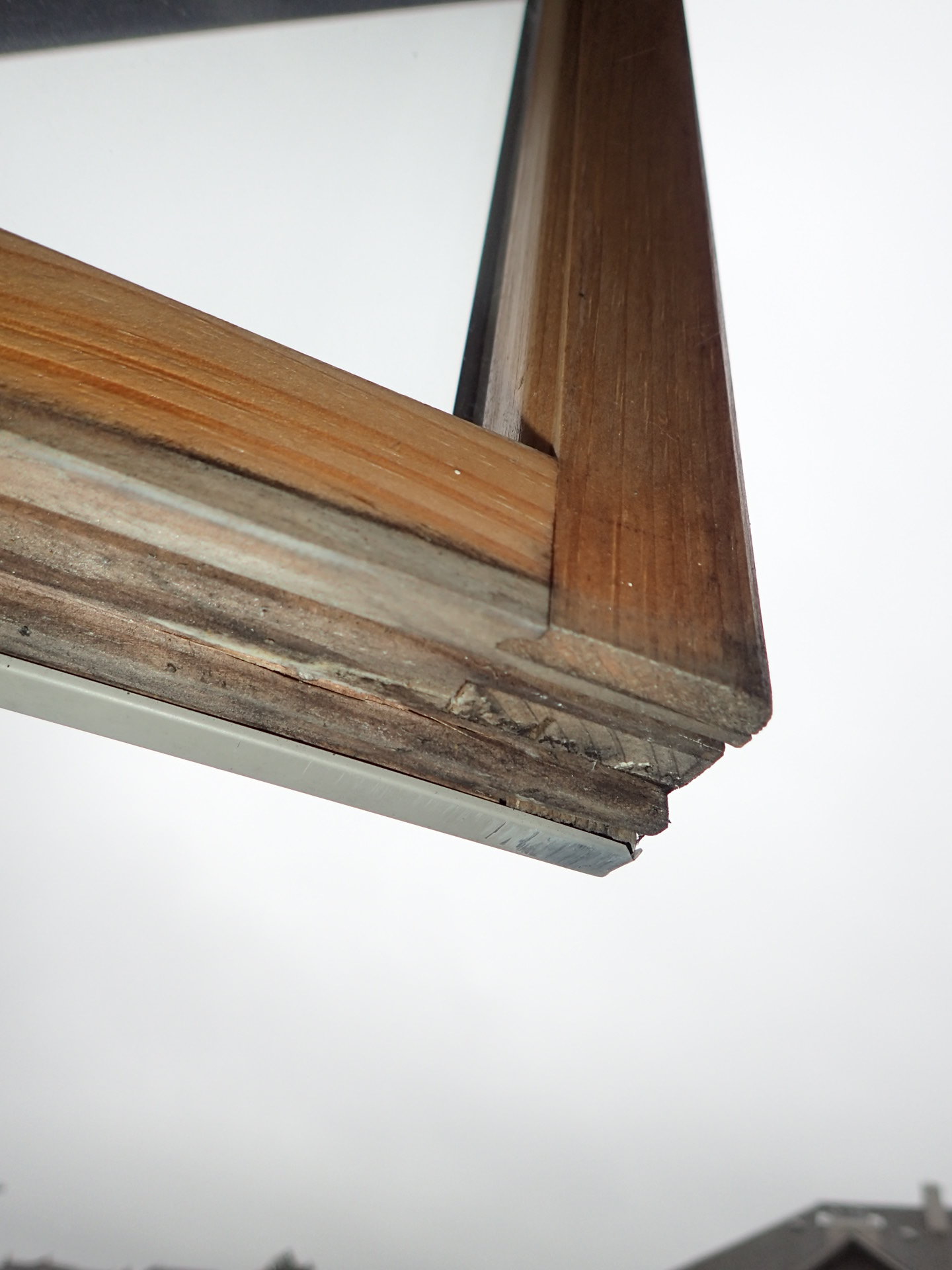
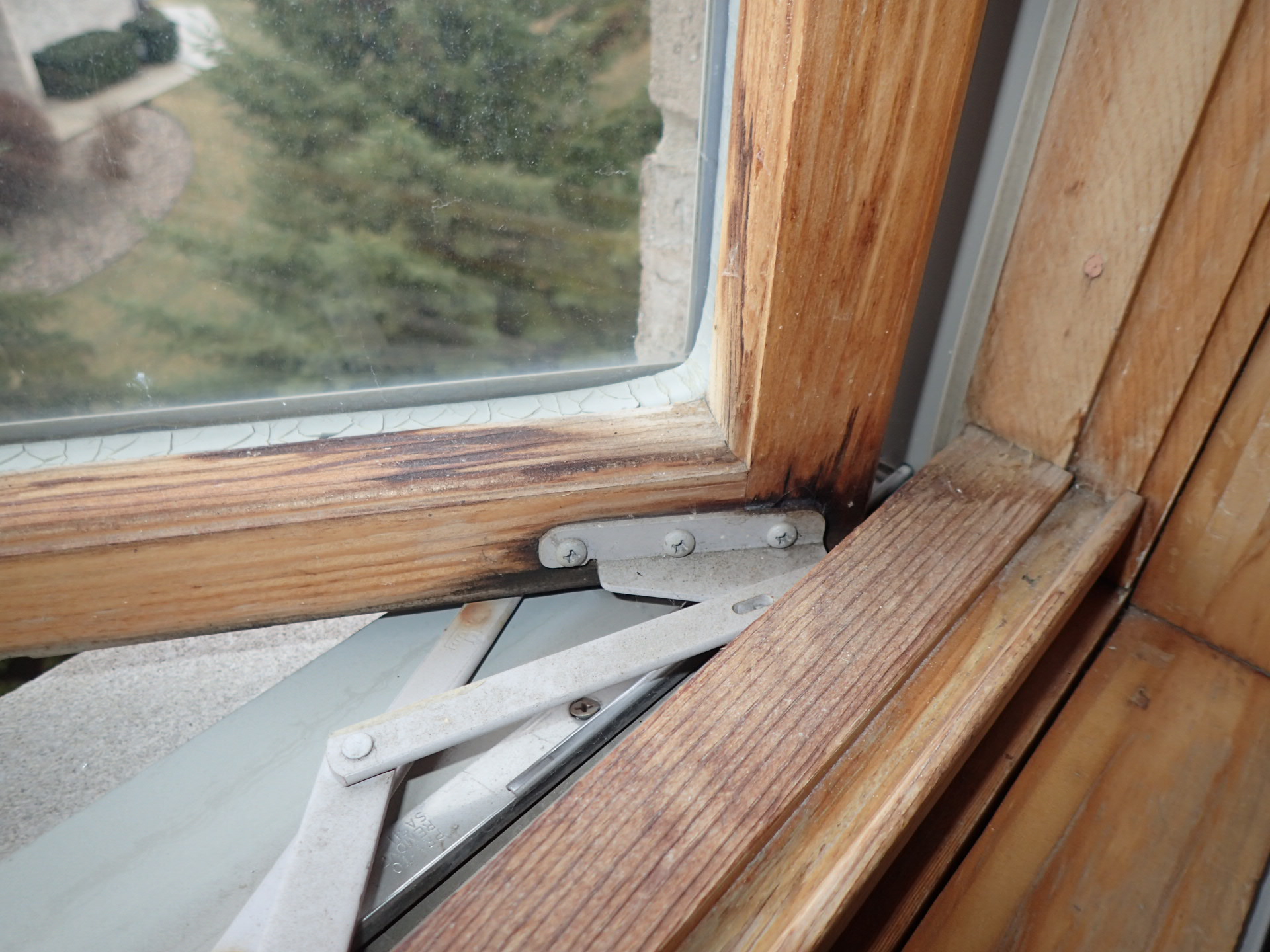
I find that older wood windows from the 80s and earlier are doing just fine and I assume it's because of the chemicals used to treat the wood. The 1990s had horrible problems with rotting wood and not just Anderson but, Norco, ROW, Marvin, etc. I think the windows are clad with aluminum and not vinyl. Regardless, water gets behind the cladding and sits there and the poorly treated wood rots rapidly. I believe there was a class action suit against Marvin. I make a point to check all windows carefully especially at the lower corners of the sash. Blackening is the prelude to rot and I always point that out in the report. Here are some recent pictures of a 1990s condo.
-
If there is such a thing I bet it would be the same as flashing a symmetrical valley with some common sense consideration of water flow. It's what's behind the shingles that matters. From memory of a roofing job I did a many years ago: After tear-off, apply an ice and water shield at each valley that goes a minimum 12 inches over each plane. At a violent water intersection which this roof has I would increase the water shield considerably. Follow with underlayment/tarpaper. No nails should be driven within 12 inches of the valley when applying shingles. Roofing cement should be used to keep the shingles down near the valley line. If it is leaking it sounds like the whole valley part of the roof will need to be redone.
-
Trouble with the compressor contactor is also suggested on the HVAC forum. And about a half-dozen other remarks that I'm an idiot and that home inspectors in general are idiots.
-
I just received this remark from an HVAC forum where I asked the same question: You have a big set of onions doing what you did. Most times the compressor WILL BE DAMAGED by starting in cold ambients.
-
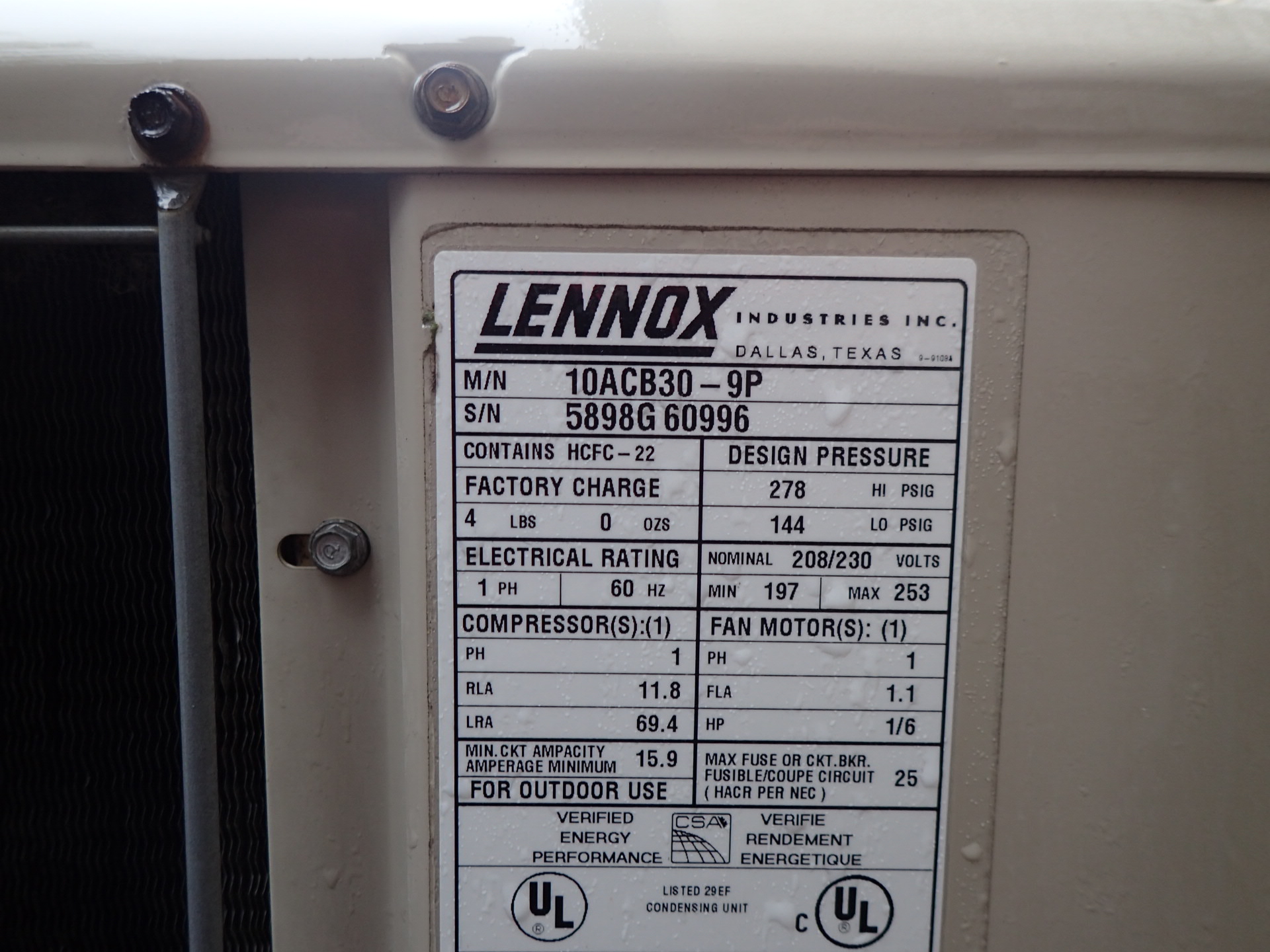
In multi unit buildings the AC compressor units are usually all bunched together outside with no identification. I know they should not be run in cold weather but I have started in the last couple of years to briefly turn them on so I know which one belongs to the condo I am inspecting. I use my cell phone to communicate with my client and when the compressor fan comes on I tell them to shut it off so it is never on for more than 15 to 30 seconds if that. It is my understanding that running them briefly in cold weather will not hurt the compressor. Today it was about 40°. I had my client turn on the AC and all I got was a loud click at one of the compressors. No fan. I waited about 20 seconds and told him to shut it down, and again I got another loud click. What do you think this means?
-
I am inspecting the same property for a second time. The first time I inspected the property we had gotten almost a foot of snow and then it rained a few days later for a whole day so there was unusual water problems. I called my original clients who I worked for a month ago and they said it was okay if I divulge information from the original inspection to my new client. A good part of the crawlspace was flooded during my first inspection but I suspect water issues will not be the same. I only plan on reporting what I see at the inspection but would you ever mention in the report that you had inspected the property before and what you had seen? The sellers may have addressed the problems but we shall see.
-
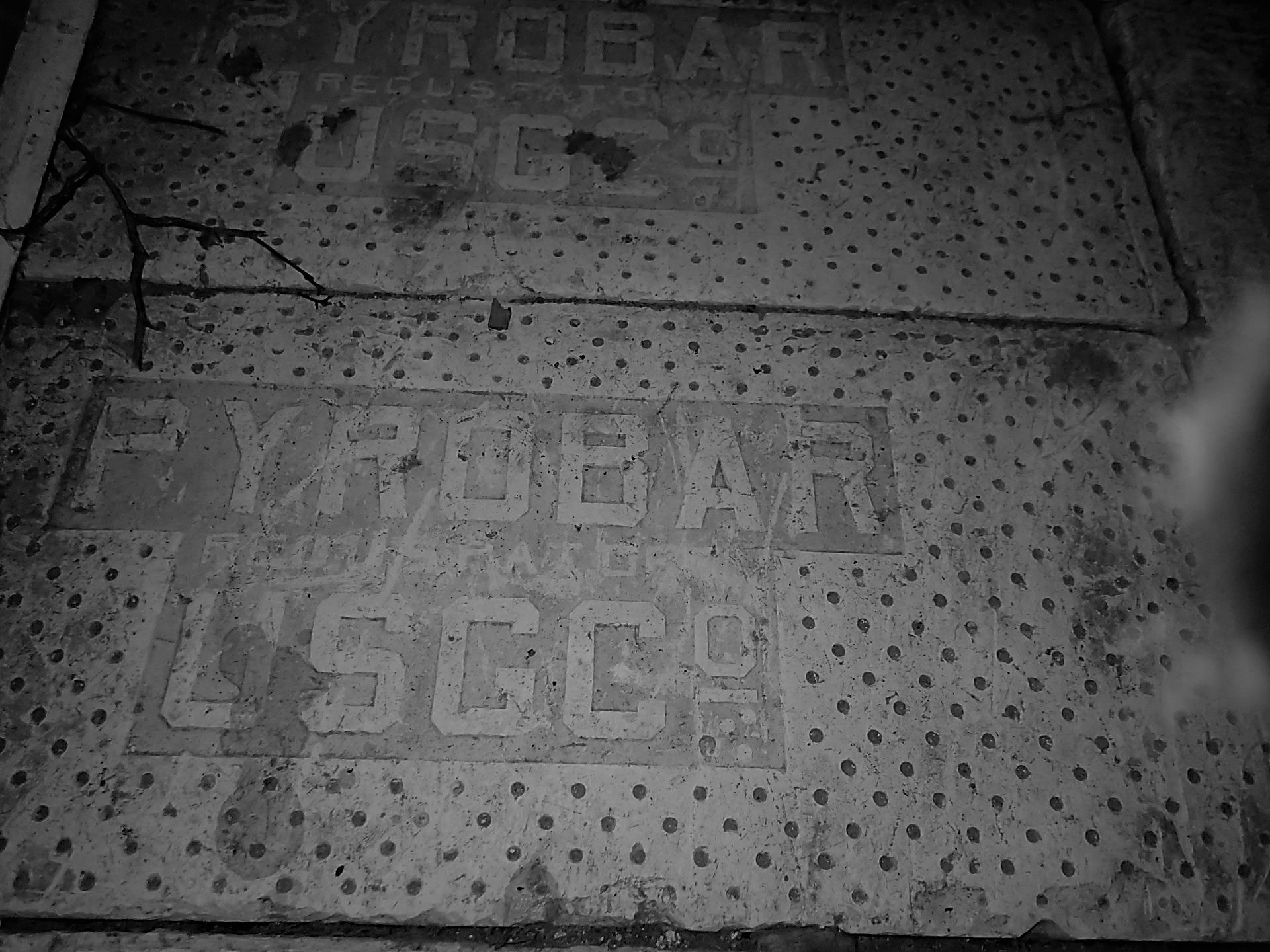
I ran into this Pyrobar stuff the other day. It was lining the floor beneath a back porch. I did some research and it was a fire proof insulator used around structural members but also used to build non-bearing walls. The mortar used for this product probably contains asbestos and workers often cut it with a saw. Here are some links if anyone is interested: https://archive.org/details/PyrobarGypsumTile
-
Generally, at least a foot above the roof line depending upon the pitch of the roof and 8 feet laterally from side walls. I don't think that is going to cut it.
-
Thanks. Electrical wire, cable insulation (30 percent) and structural member or framing (19 percent) were the specific items most often first ignited in electrical fires (Table 6).
-
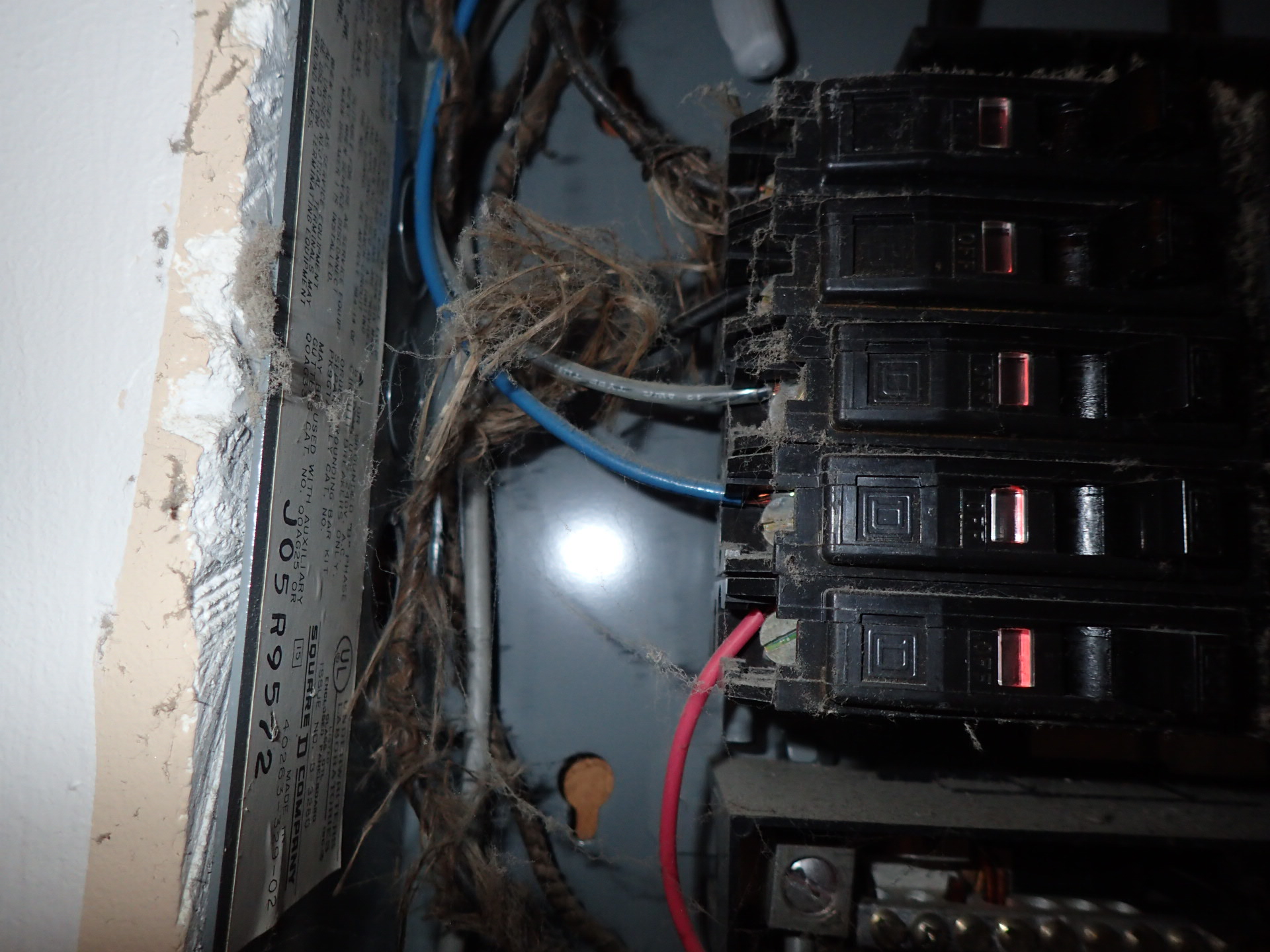
What comments would you make if any about excessively frayed cloth wiring inside a panel? And, does anyone remark in their reports that statistics show the older the wiring the greater the fire hazard?
-
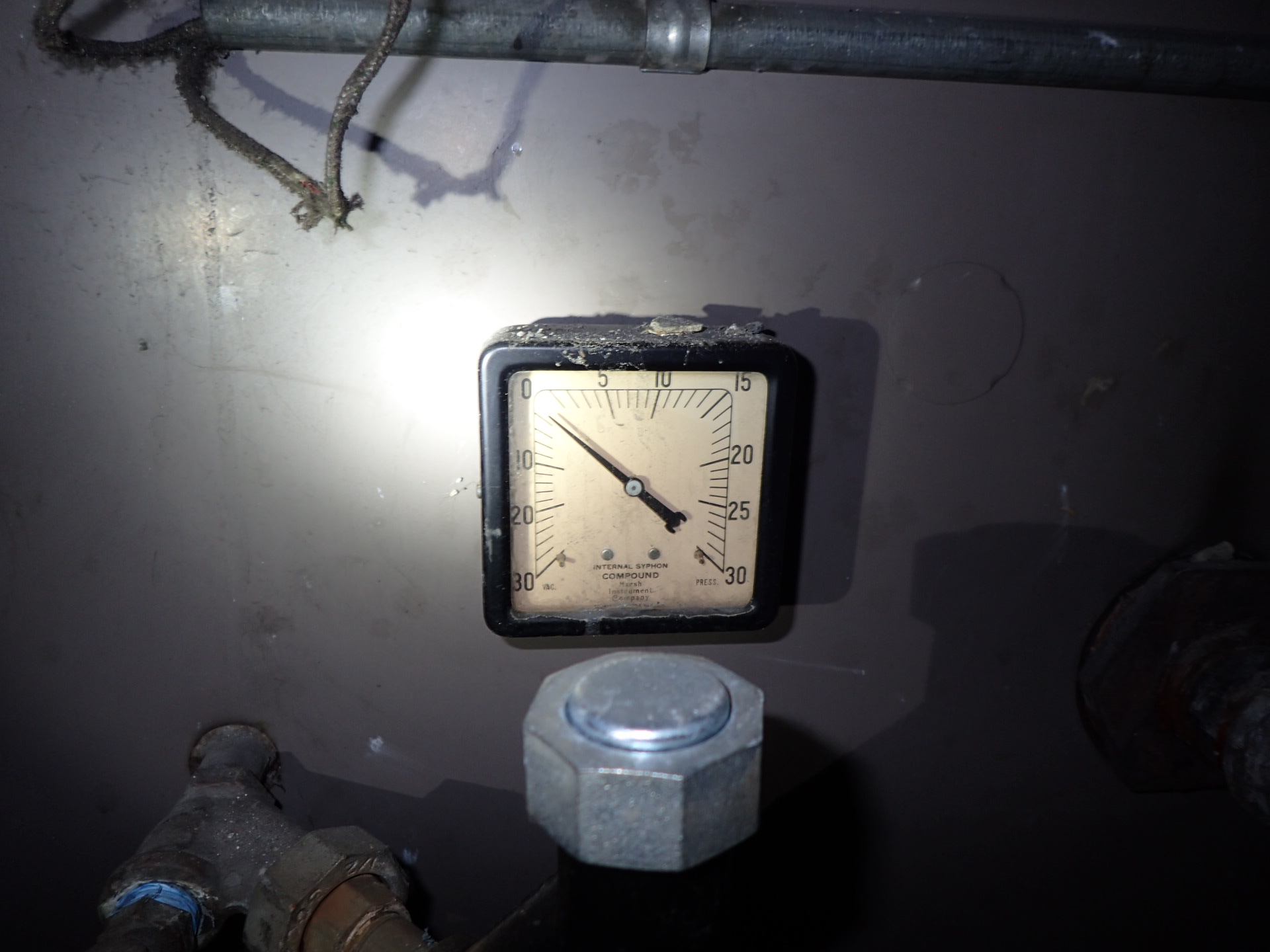
What does an internal siphon gauge on a steam boiler do and is zero and optimal reading?
-
When a fireplace has a gas starter where you turn on the gas with one of those square keys and use a match to ignite it, do you turn it on to see if it works? I do. I do not put a match to it but turn it off immediately just to see if gas flows. I am just wondering if others turn the gas on briefly? I'd rather not do it, but I had a complaint many years ago that there was something wrong with the gas line to the fireplace. They had to spend a lot of money to fix it, and I didn't discover it during my inspection.