palmettoinspect
-
Posts
350 -
Joined
-
Last visited
Content Type
Profiles
Forums
Articles
News for Home Inspectors
Blogs
Gallery
Store
Downloads
Everything posted by palmettoinspect
-
Ran across my first one this week. Square D is very popular in my area.
-
Thank you for the reply Mike!
-
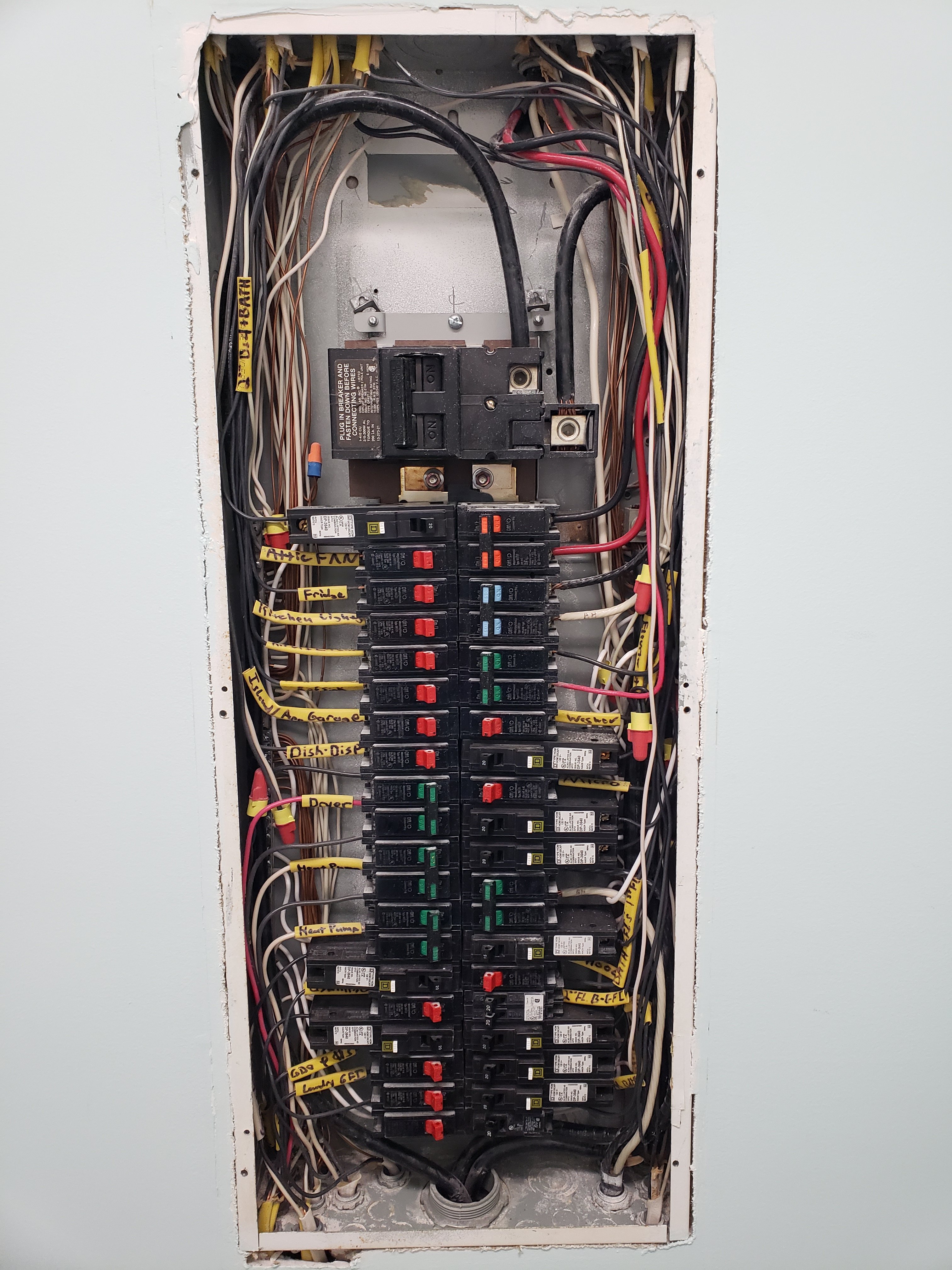
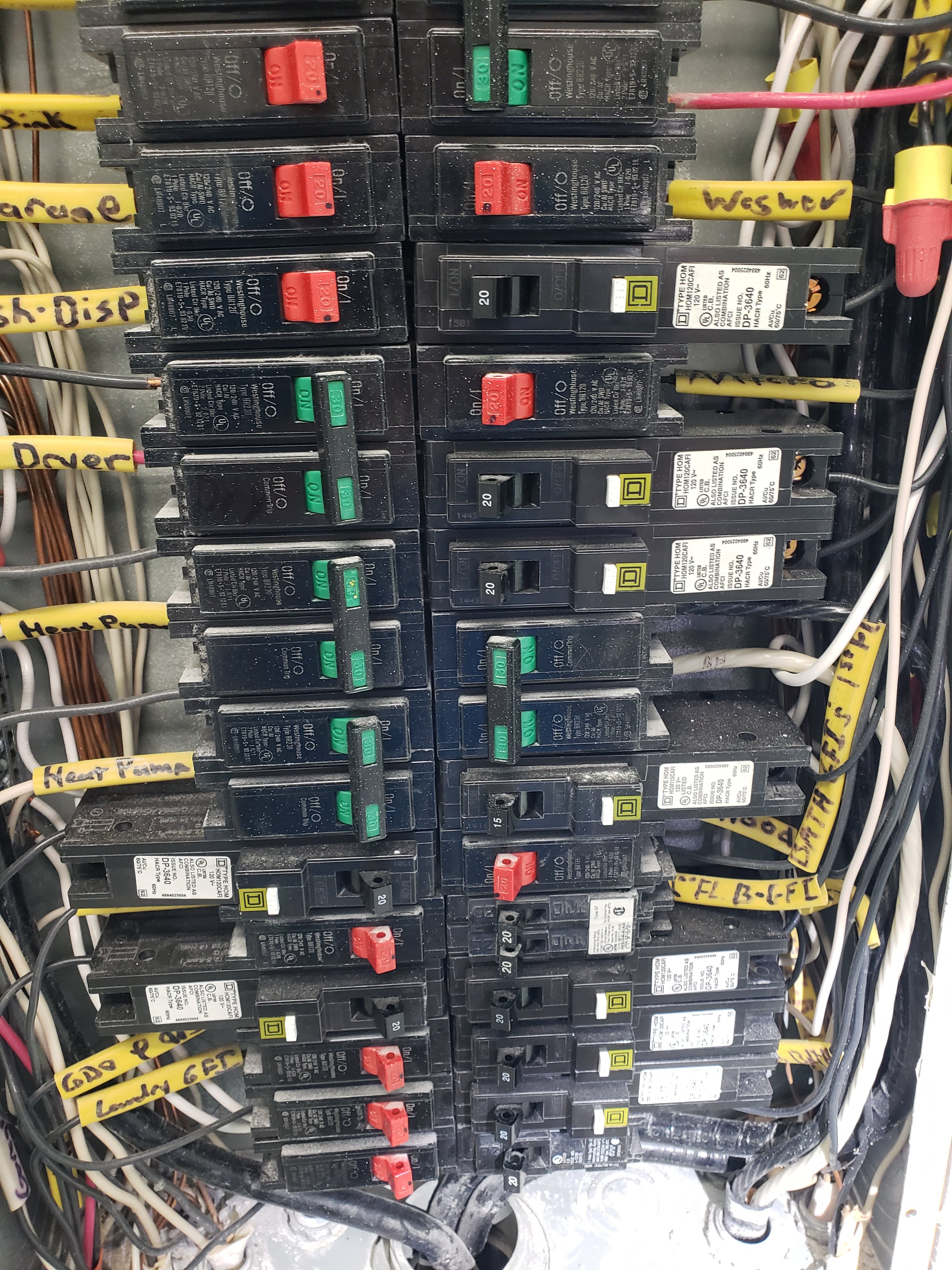
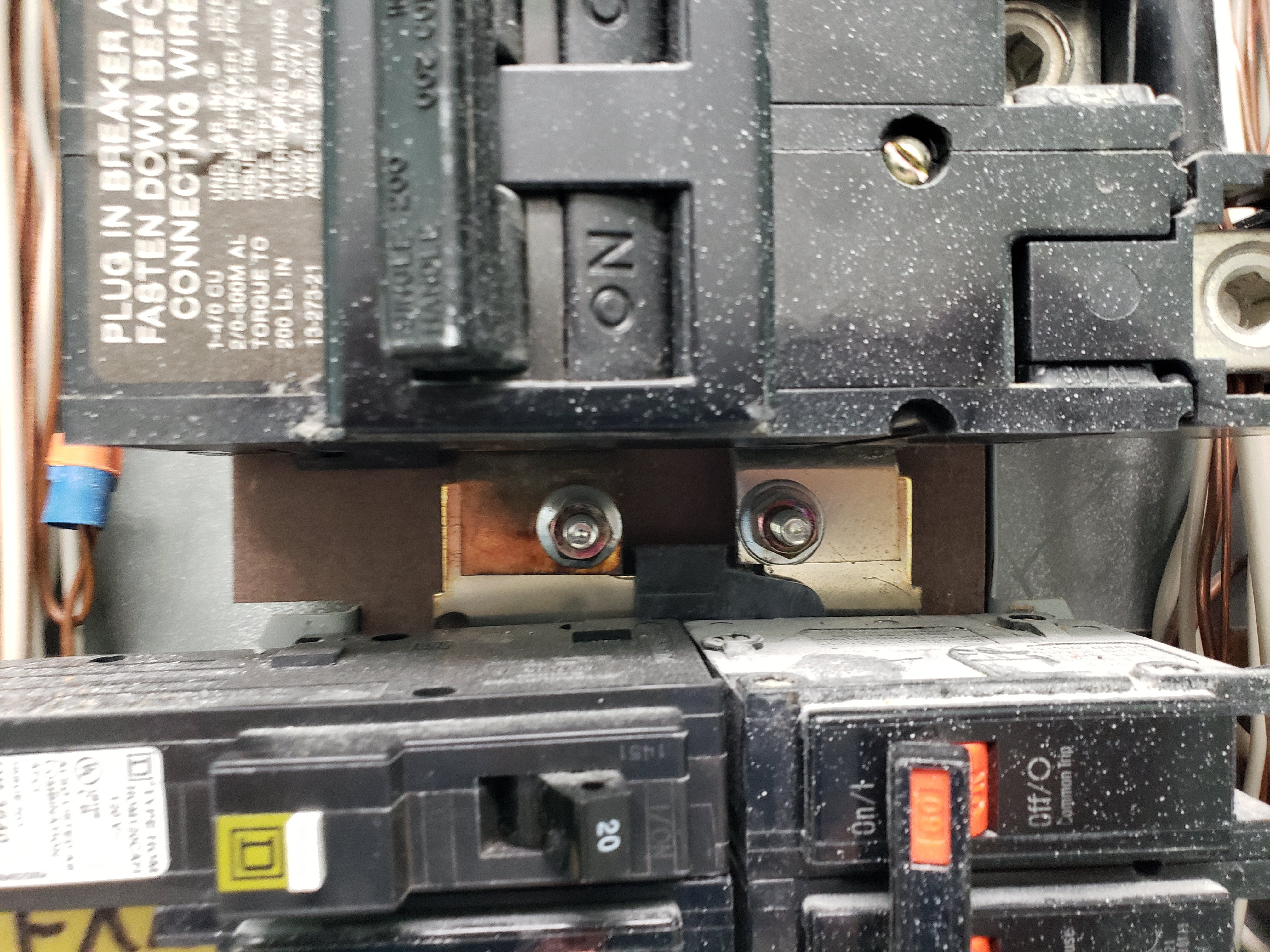
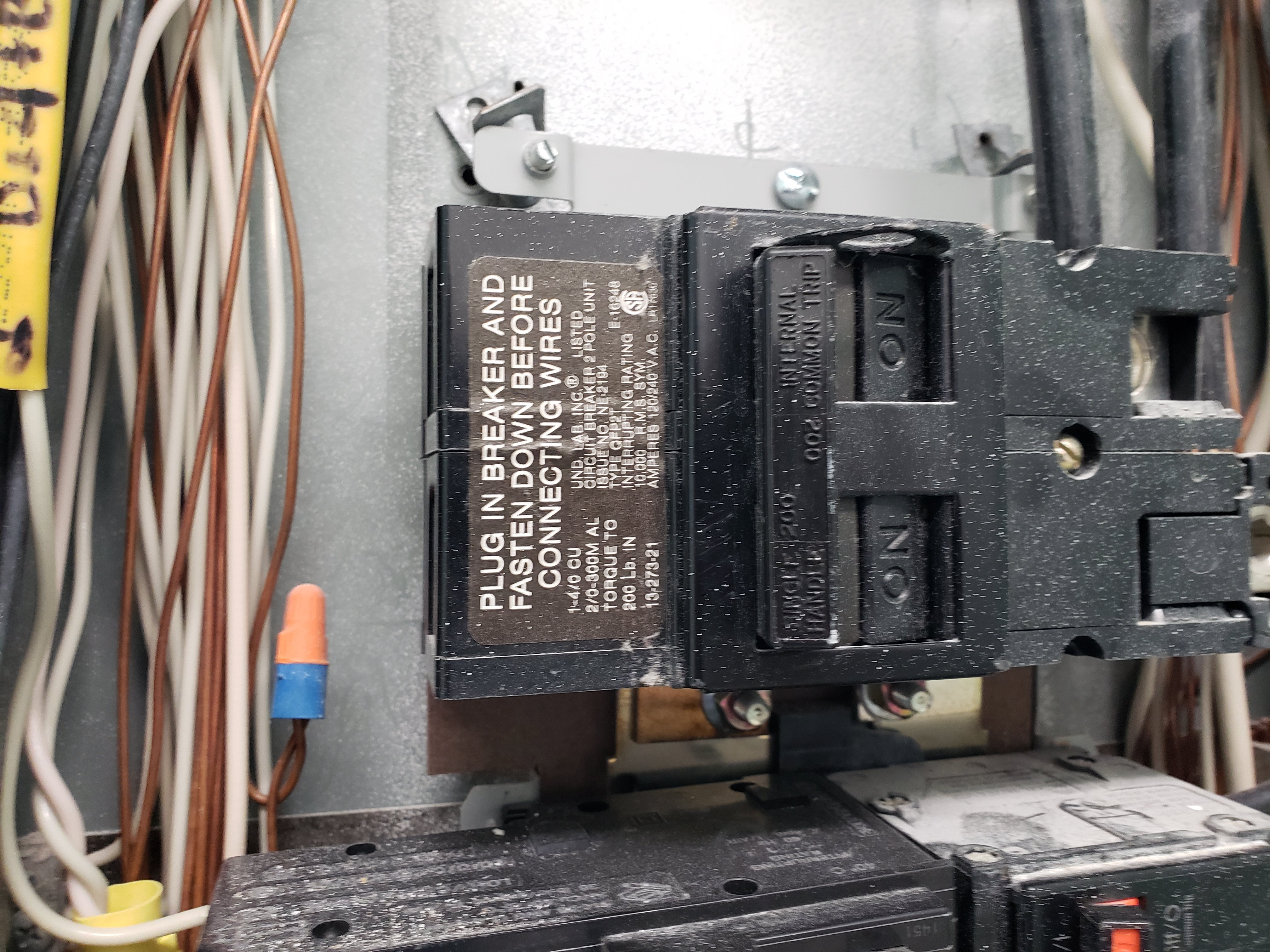
I'm wondering what's everyone's take on Challenger panels. I've read up on some known issues with them but not to the extent of FPE Stab Loks and such. The issues with Challenger panels don't seem as clear. The panel I inspected today was from a 1992 built home used mostly Westinghouse breakers. It did have a tandem breaker installed and Square D homeline AFCIs. The manufacturers label was missing so I could not determine the circuit total limit of the panel or get any other info. I also noticed some discoloration where the main breaker connects to the hot bus bar that I'm concerned about. I've attached a few pictures of the panel. What do you all report if anything about Challenger panels? Are there certain breakers or issues to look out for? Thanks for the help, Kiel

-
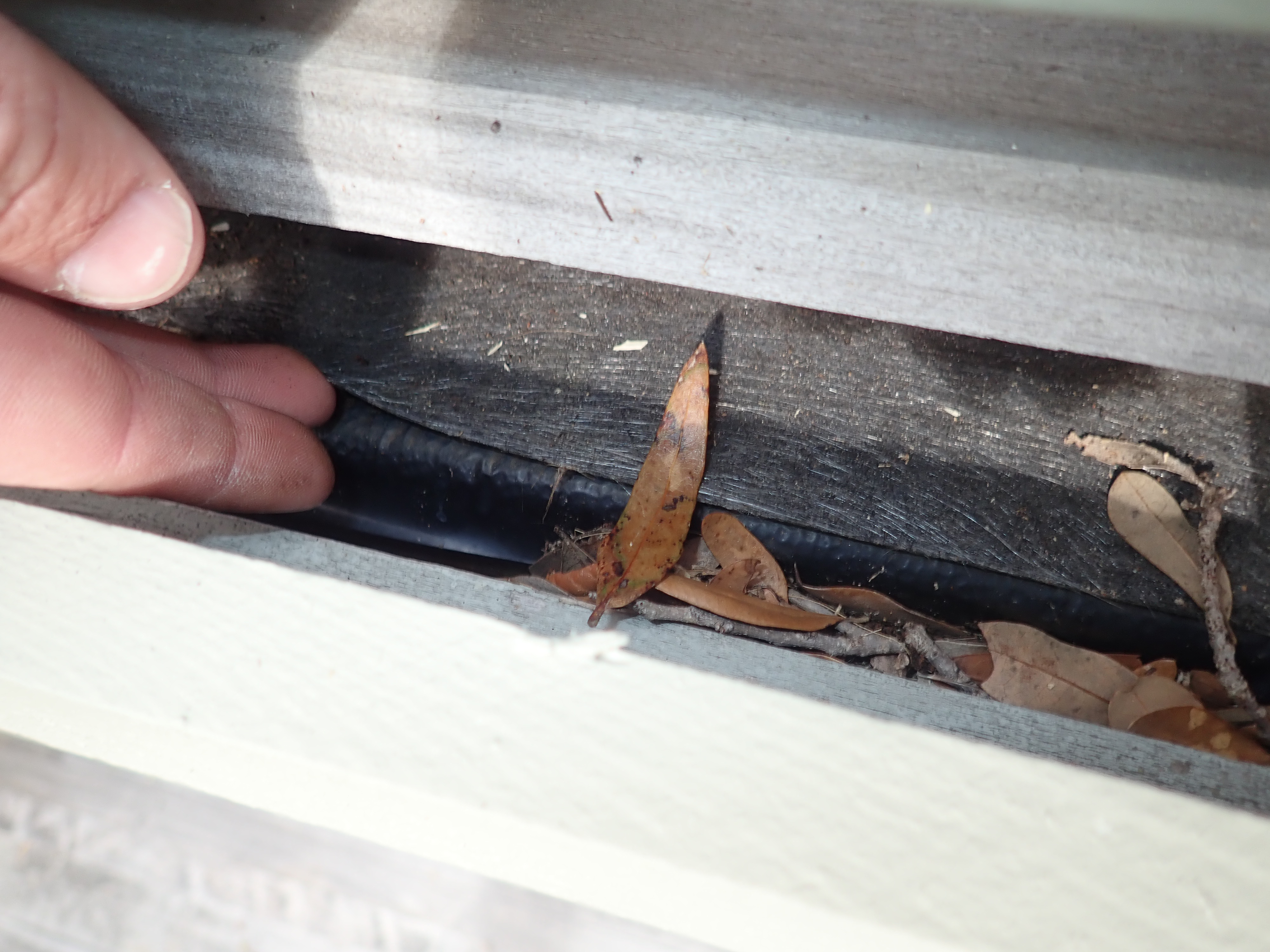
I agree it looks like LP. I wonder why it took James Hardie so long to detail the butt joints with flashing? I recall joint flashing being used at each asbestos wall tile joint back in the day. It was usually small tar paper strips.
-
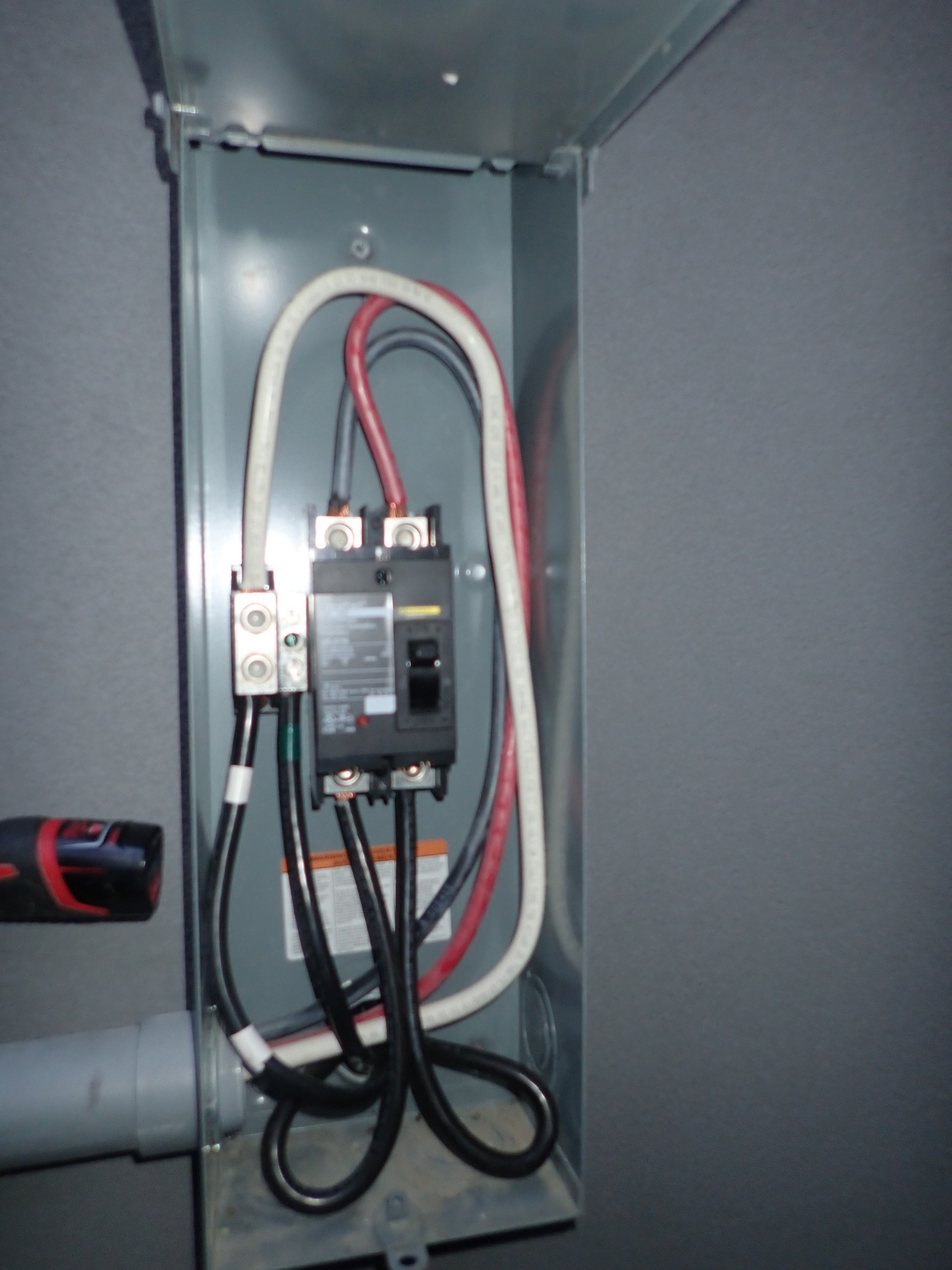
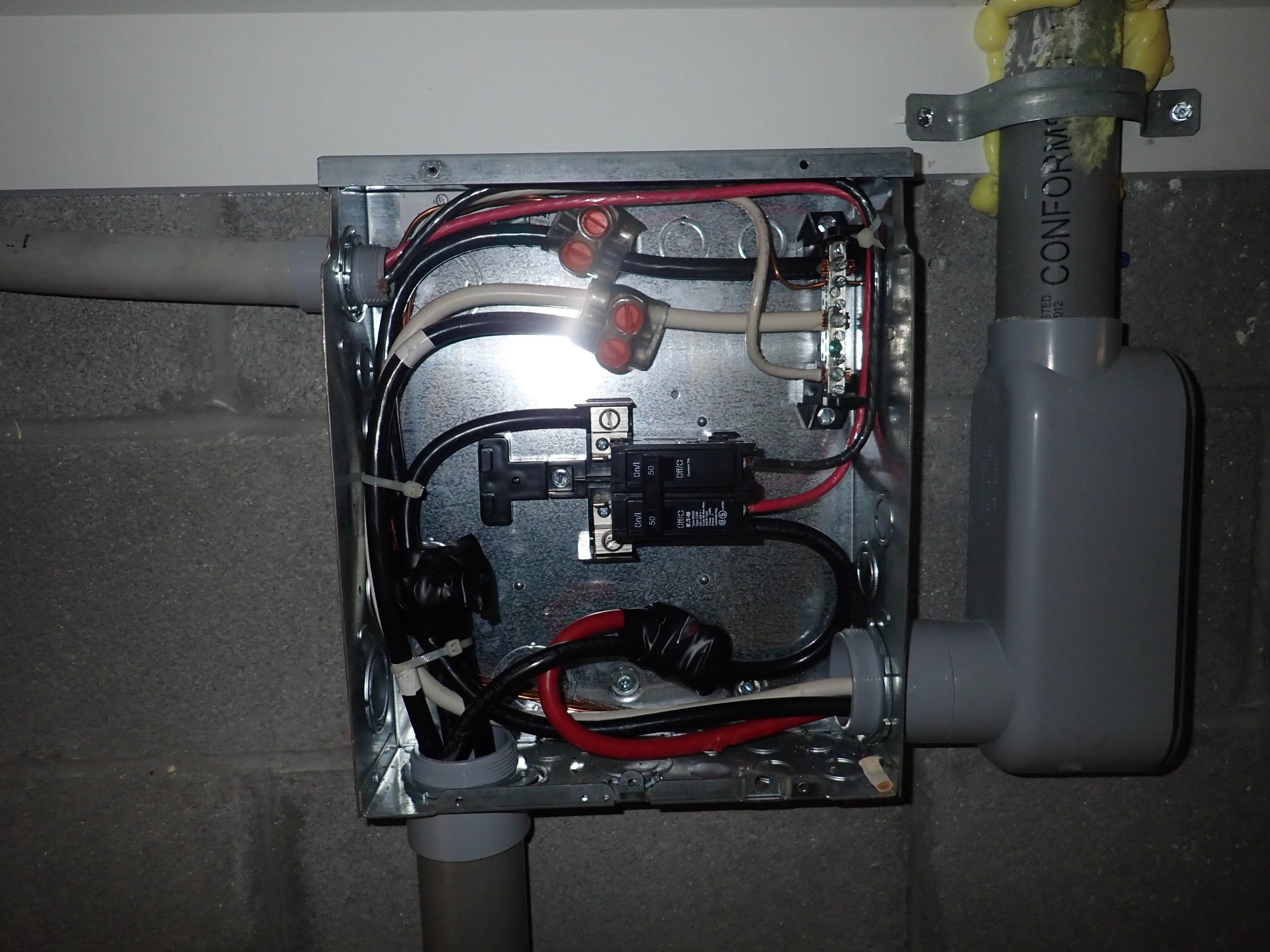
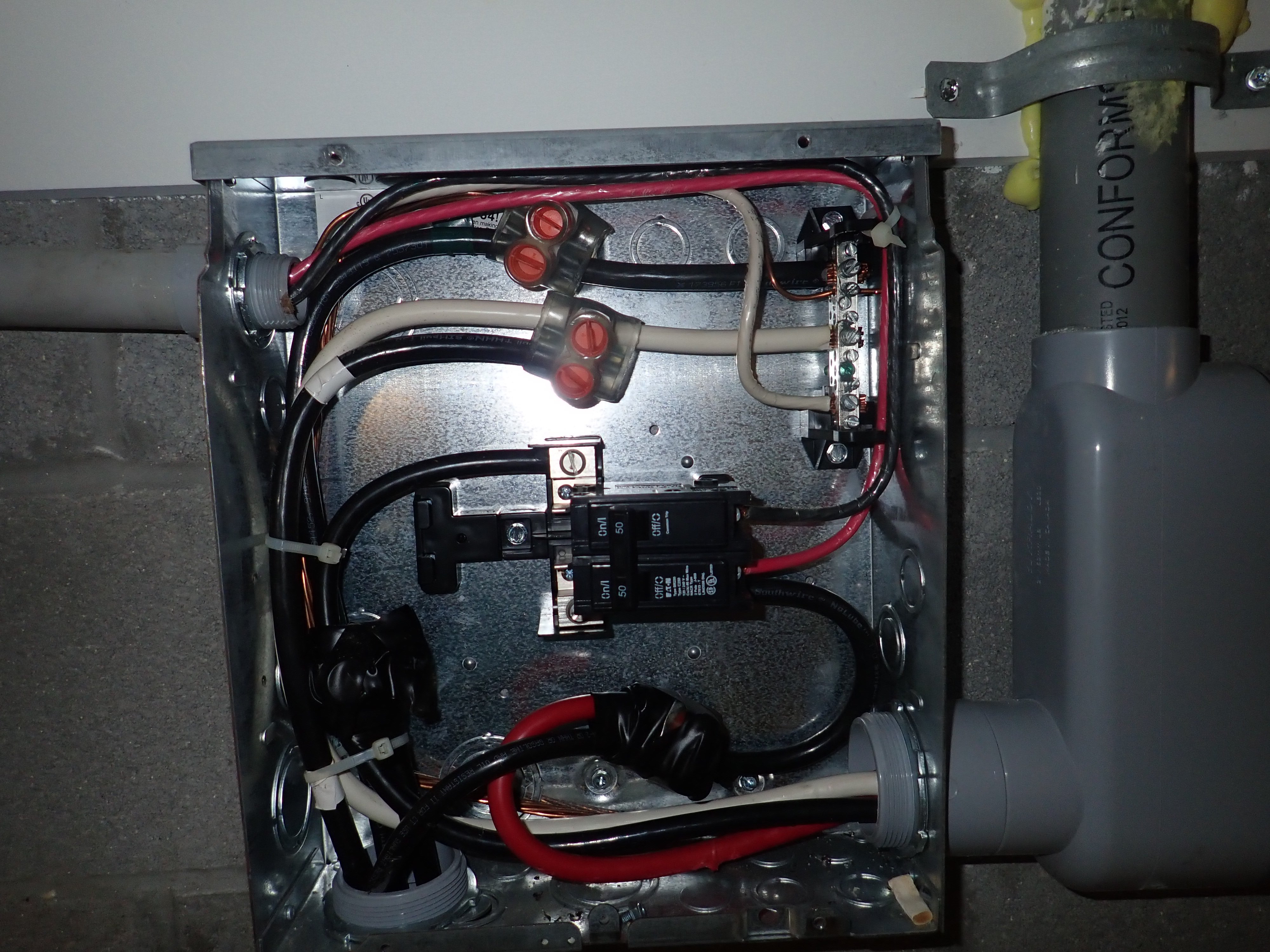
Good day all. I'm coming across more and more taps these days with all these electric cars. I try and understand them but dang the rules can get confusing. Especially this set up since it's tapped off a sub panel feeder after the main disconnect. I'm left wondering about this installation. Here's the set up; -150 amp main disconnects at the meter. -50 amp tap for the Tesla tapped off the feeder between the main disconnect and the sub panel inside the home. Shouldn't the neutral wires be isolated at the tap enclose under their own bus bar and the equipment ground wires bonded to the panel enclose? Currently they're both secured under the same bus bar. Is the tap protected by the main disconnected at the meter? Or should there be a separate breaker at the tap enclose? Thanks, Kiel
-
Call one of the many "foundation repair companies" we have here in SC. I'm not sure whether I can give out company names on this forum so PM me if you'd like and I can give you a few of the names. These large "foundation repair companies" are capable of properly repairing your issue if it is indeed unsupported load points overloading the structure and not a foundation issue. Jim is correct that finding an experienced contractor is tough and the usual result from an inexperienced contractor is a floor with even more dips/sags and humps.
-
Cracks at cast in place concrete beams
palmettoinspect replied to palmettoinspect's topic in Foundation Systems Forum
Thanks for the reply guys! That's what I figured but wanted to be sure. -
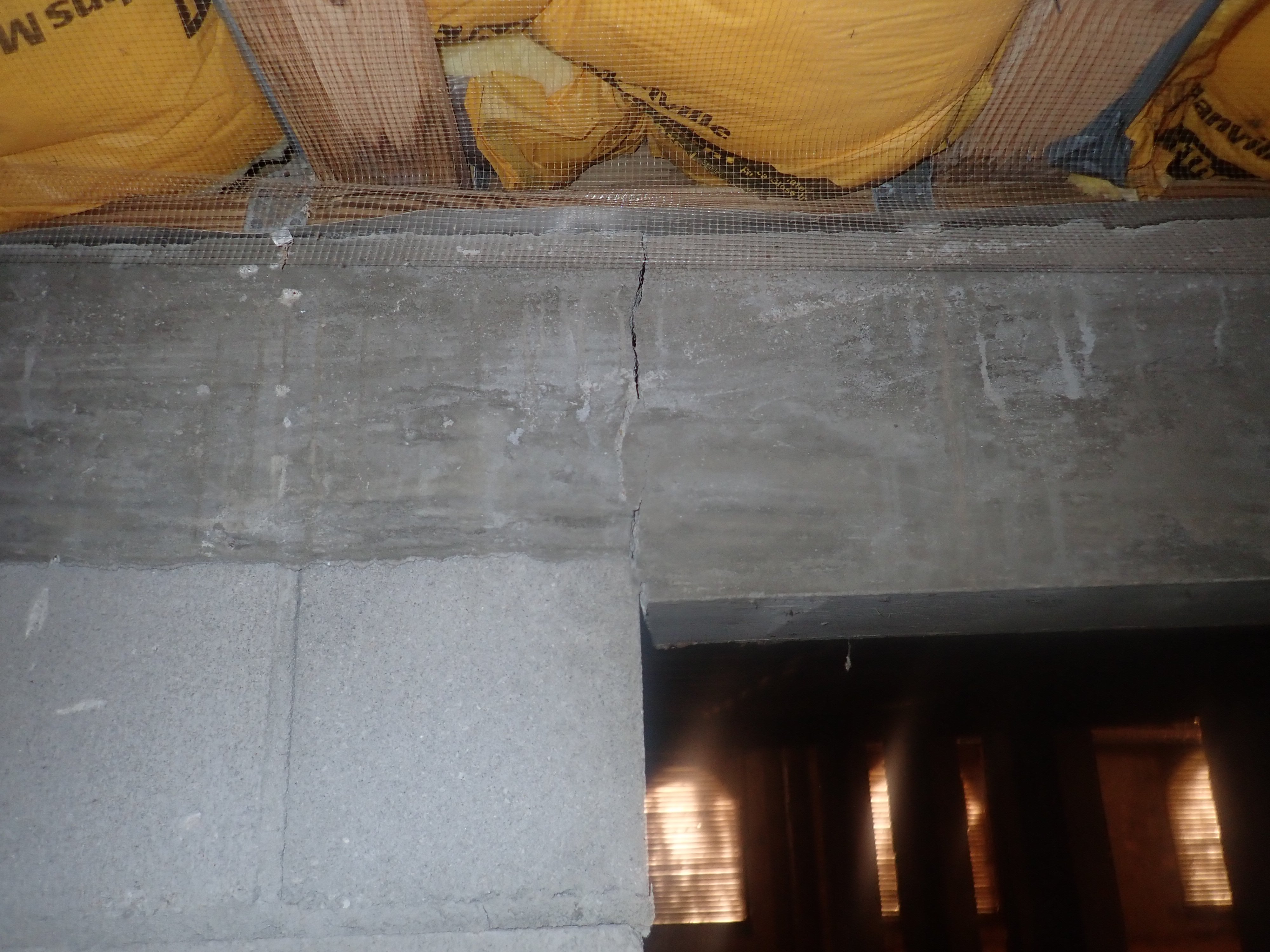
I'm wondering what you all think about these cracks in these cast in place concrete beams in the pictures below. I rarely see concrete beams, much less some with cracks like this. I'm not too worried about the hairline cracks but worry about the larger and uneven crack in the beam where it bears over the CMU wall. There's not really any noticeable movement in this area. Home is 20 years old, the foundation is CMUs, the beams are cast in place concrete, the rest of the framing is all wood. Thanks, Kiel
-
Worked for me. Try http://mylinkdrive.com/ and click on the US flag.
-
I was finally informed on how to identify the age of Mitsubishi units and want to share. I've always resorted to calling them. Today I had 12 units to identify and the operated filled me in on how to look them up. Go to this site http://meus1.mylinkdrive.com/ and choose your equipment based on the model and service reference numbers on the label of the units. From there use the first number in the serial number to identify the age. I hope this helps. Kiel
-
sill rot on older Anderson windows
palmettoinspect replied to John Dirks Jr's topic in Exteriors Forum
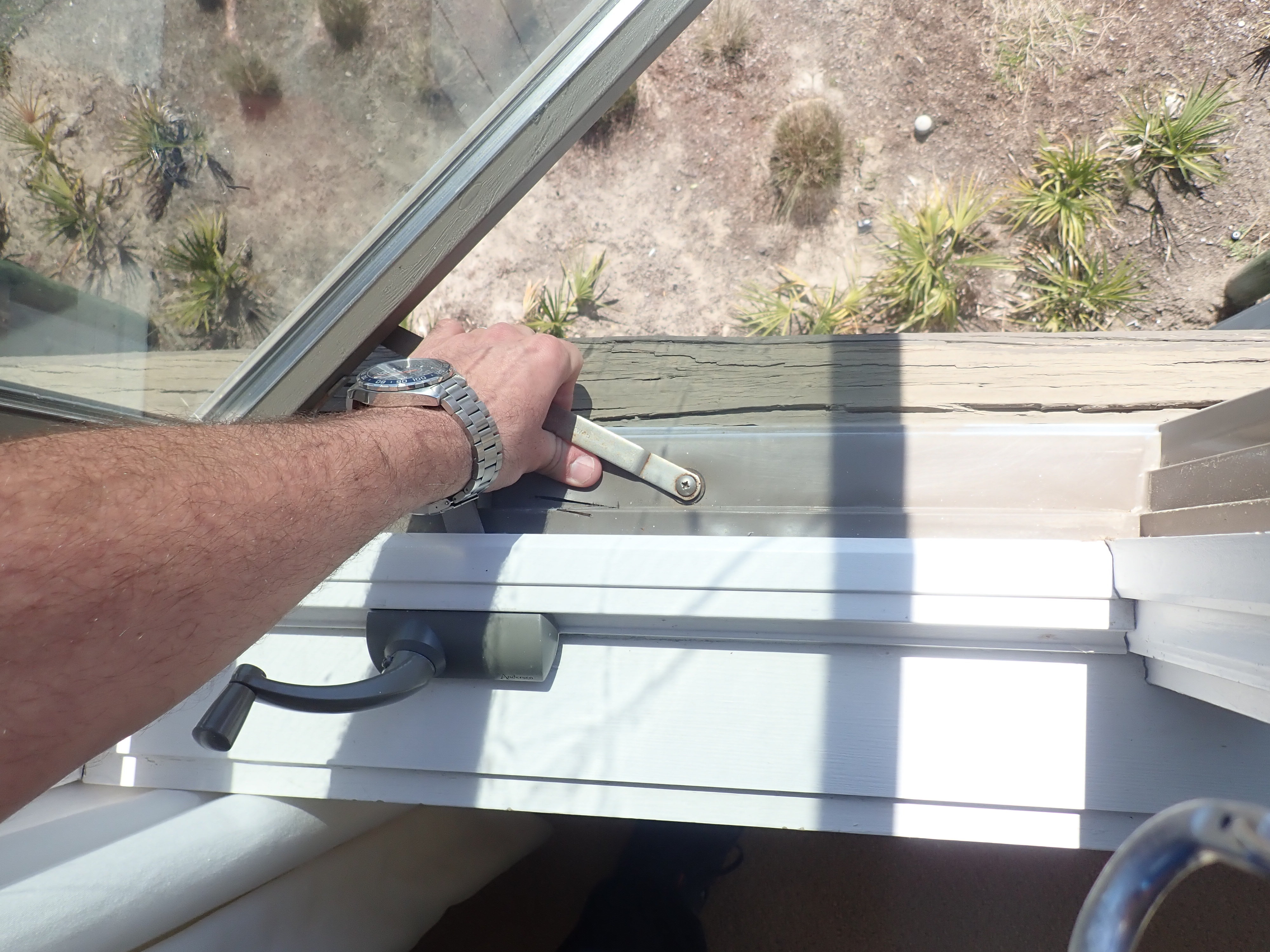
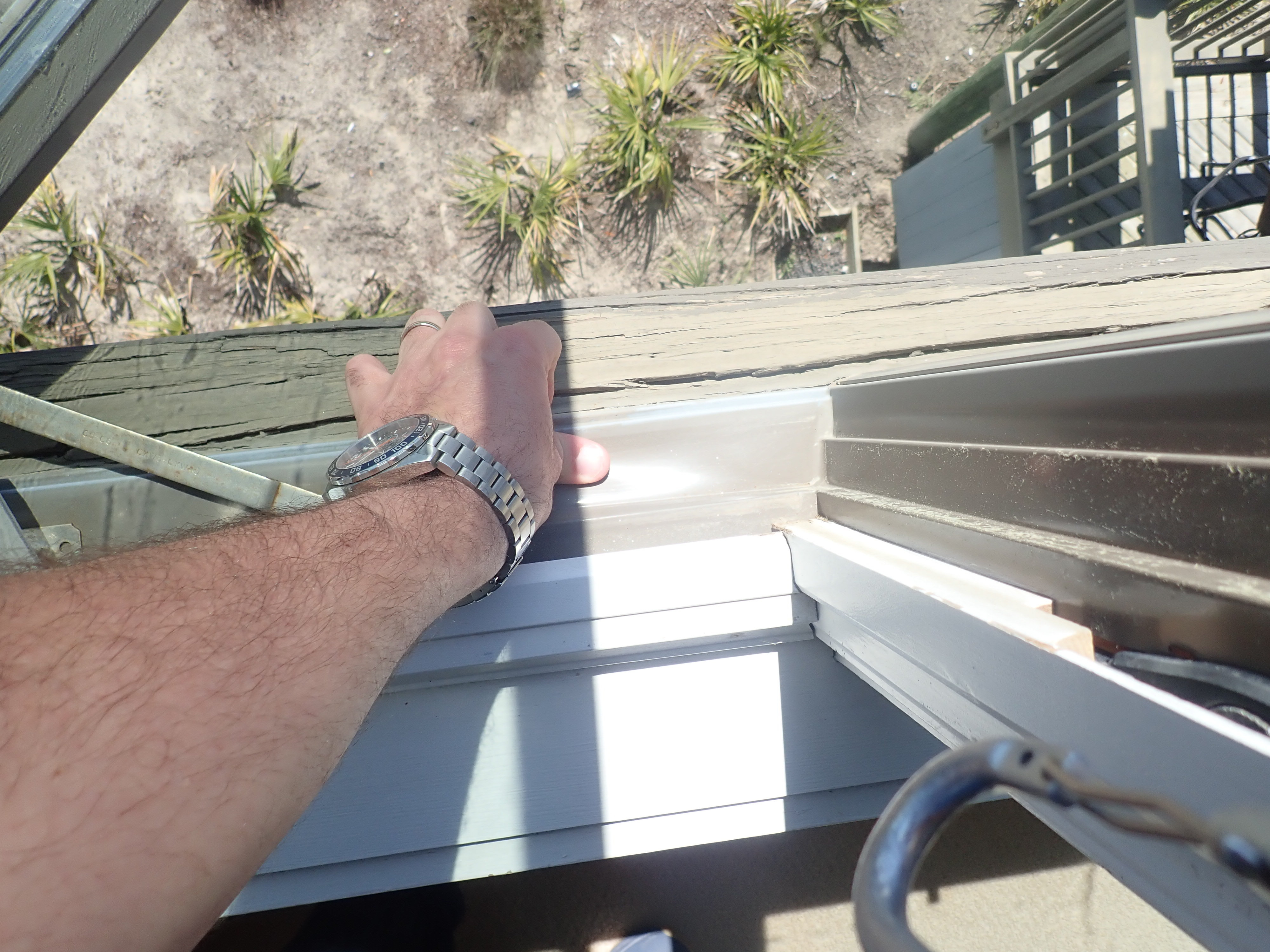
I've experienced many time what you're referring to with these Anderson windows. It's not just the single/double hung windows, but also the casement windows. I always do the "push" test where I open the window and push on the sill to feel for rot. Also, as you open the windows you can usually see the hardware is loose from the rot. My theory with the casement windows is the water penetrates around the lower hardware and cracks that form in the vinyl cladding. The moisture and rot at the single and double hung windows is likely from the exposed corners. Most windows I see are exposed to an extreme beach climate so the damages are pretty bad.
-
Jim, Thank you for the reply! No, it's not a selvage edge, this fabric extended over the entire balcony. The wear pad idea sounds plausible. This is a multi-unit villa where the regime contractors maintain the exterior. I've seen multiple different materials used for these balconies on other units, but this fabric is a first. I plan to contact them for some clarification.
-
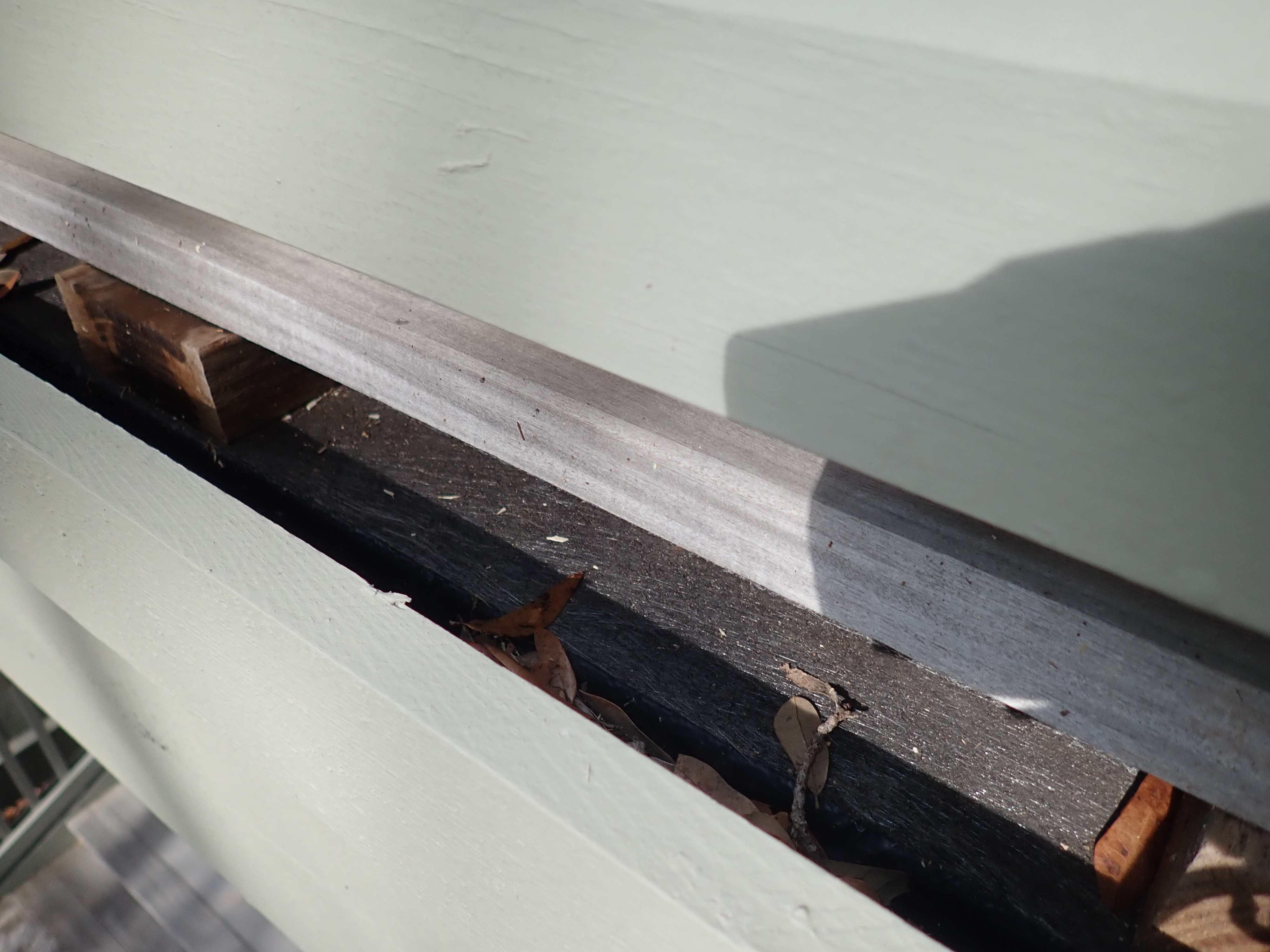
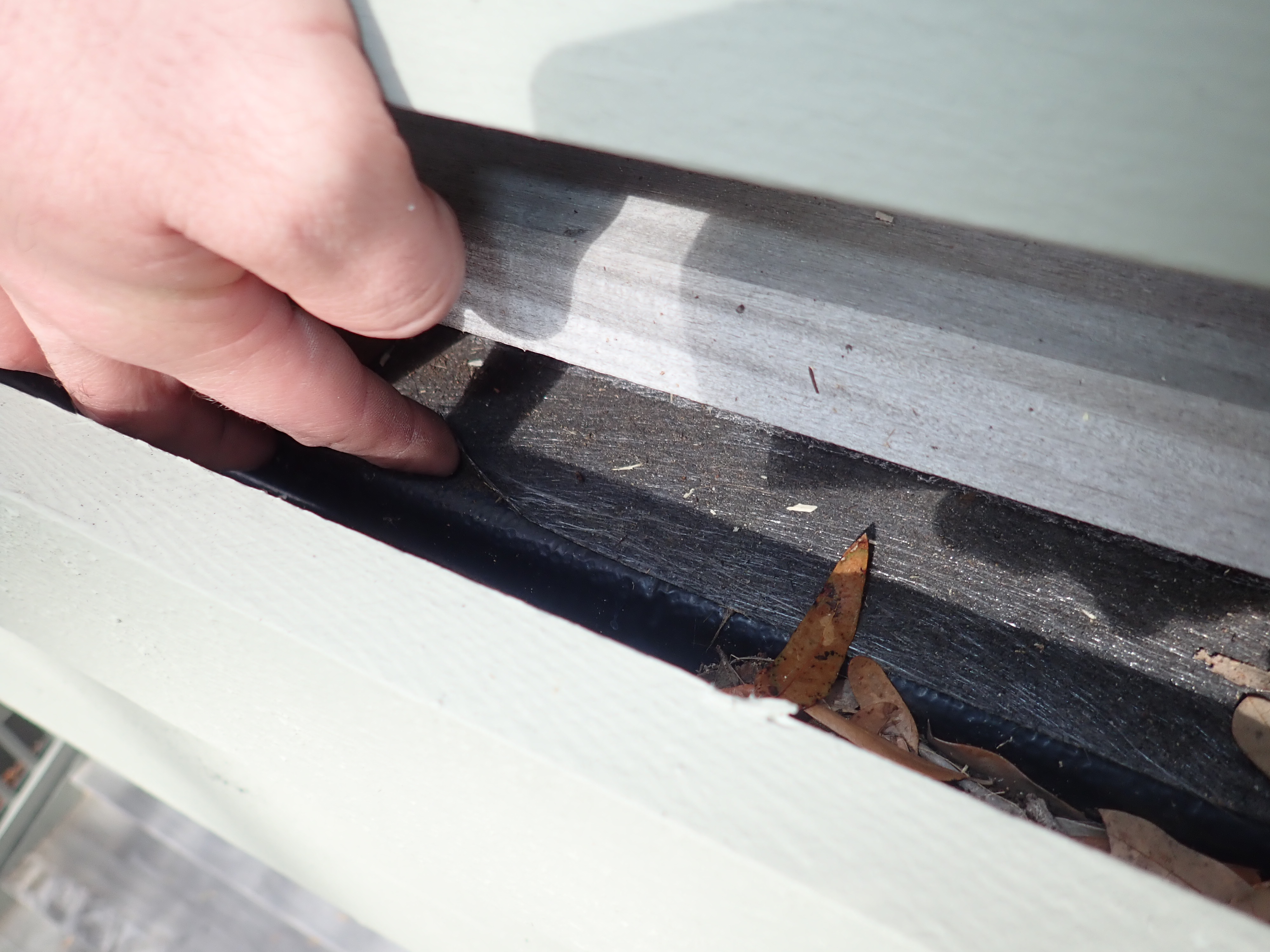
I came across a balcony that uses Ipe decking over 2x4 sleepers. There's a thin layer of black fabric that's installed under the decking that tore very easily. I'm thinking this fabric is apart of a liquid/fluid applied deck system and the contractors forgot to add some layers! In the picture you can see a metal coping so there could be something else under the fabric, but the decking wasn't removable to inspect. The ceiling under the balcony is underpinned and didn't show any signs of leaks. I'm not aware of any type of deck systems that use just a fabric as a top layer. Is anyone familiar with one that does?
-
Dang! I thought the mess I found today in a 600k condo was bad!
-
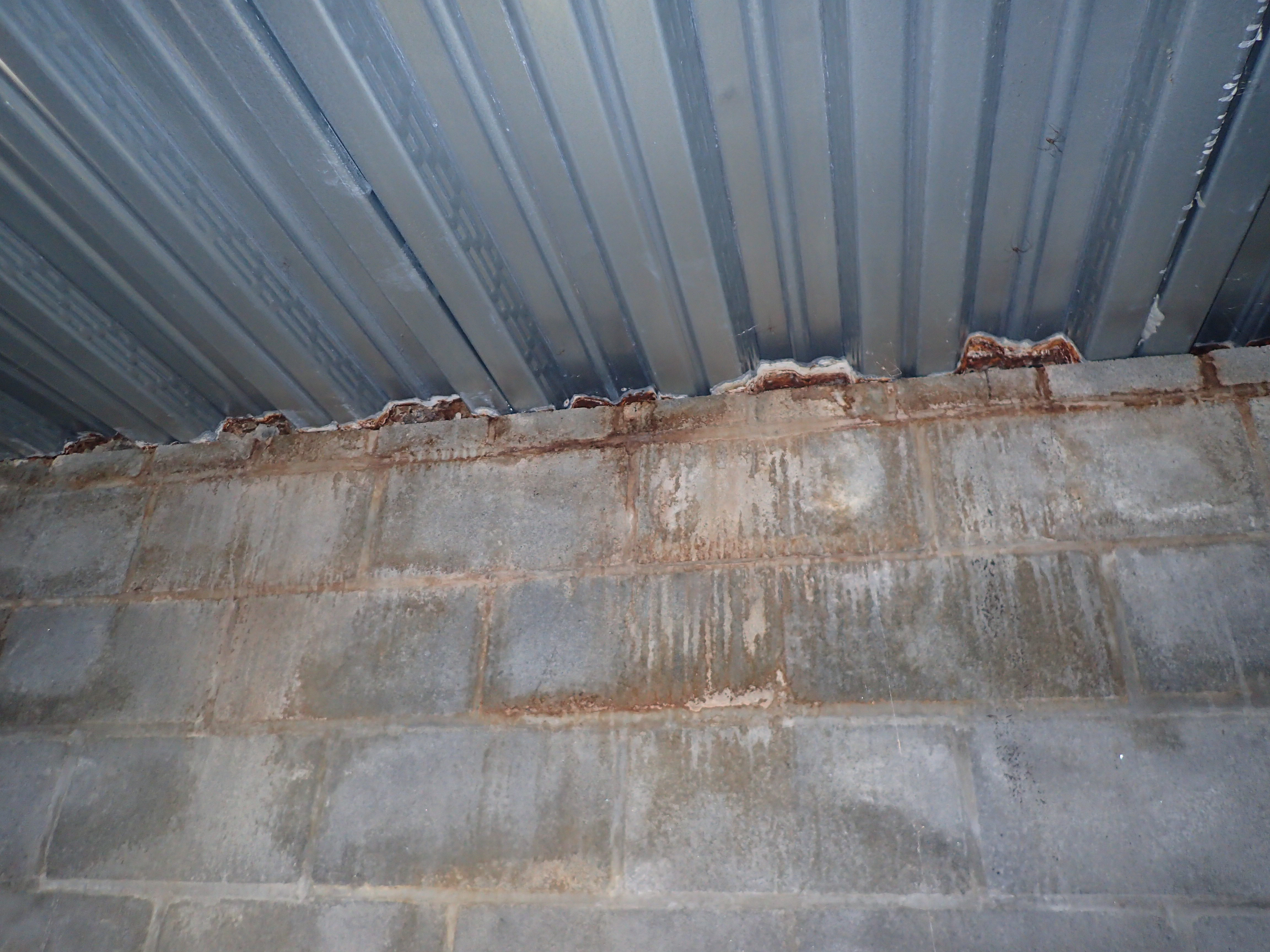
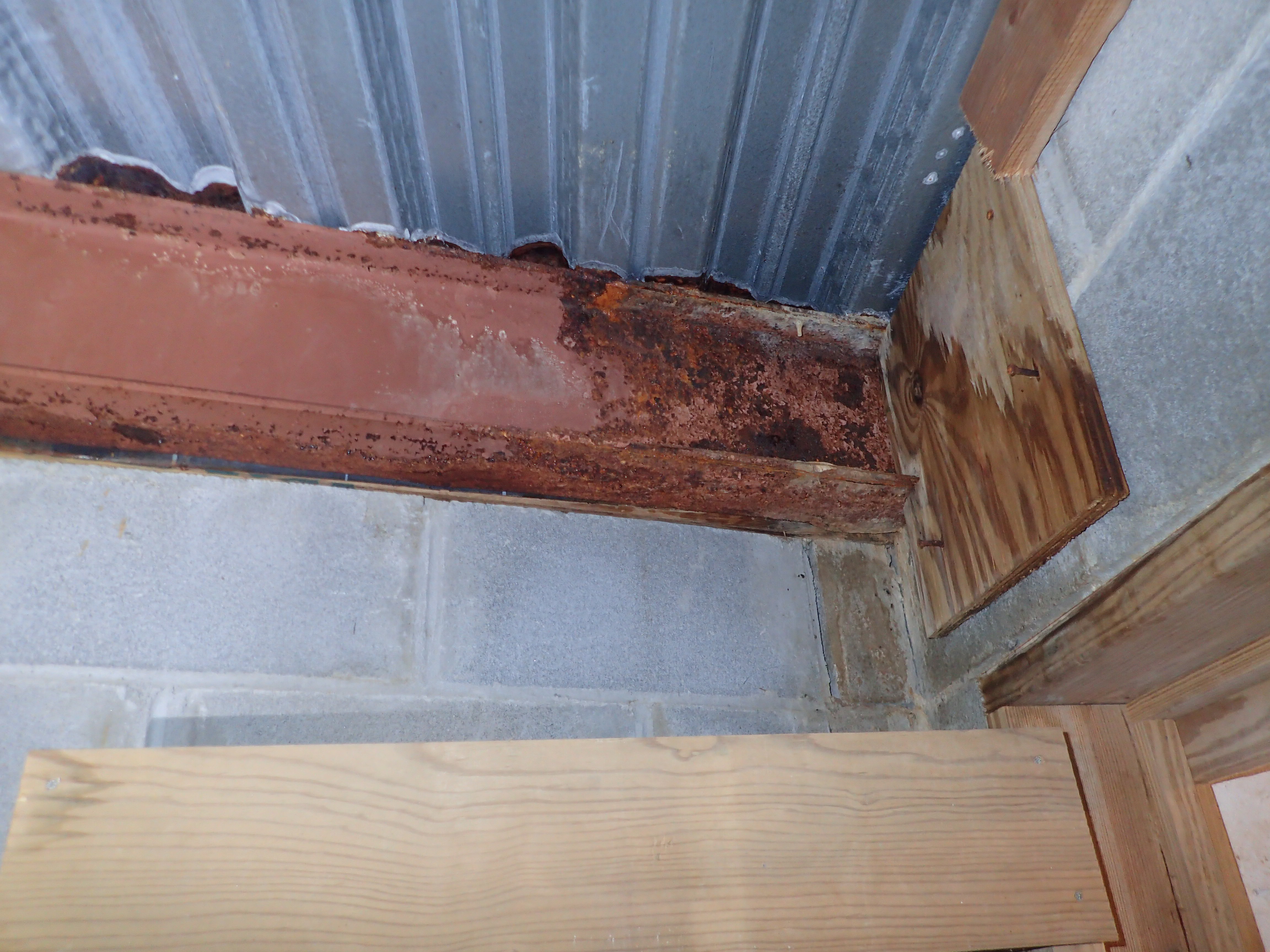
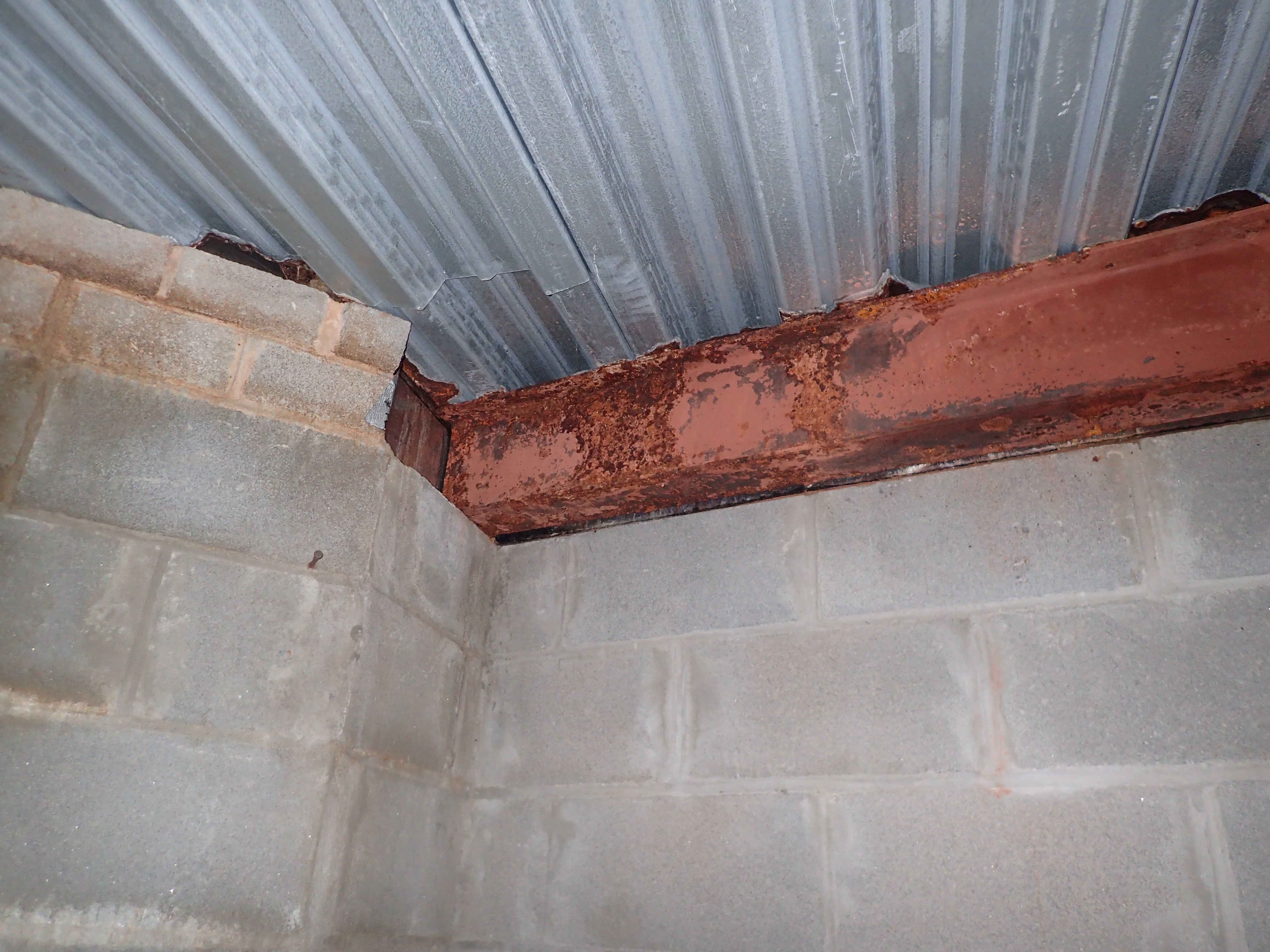
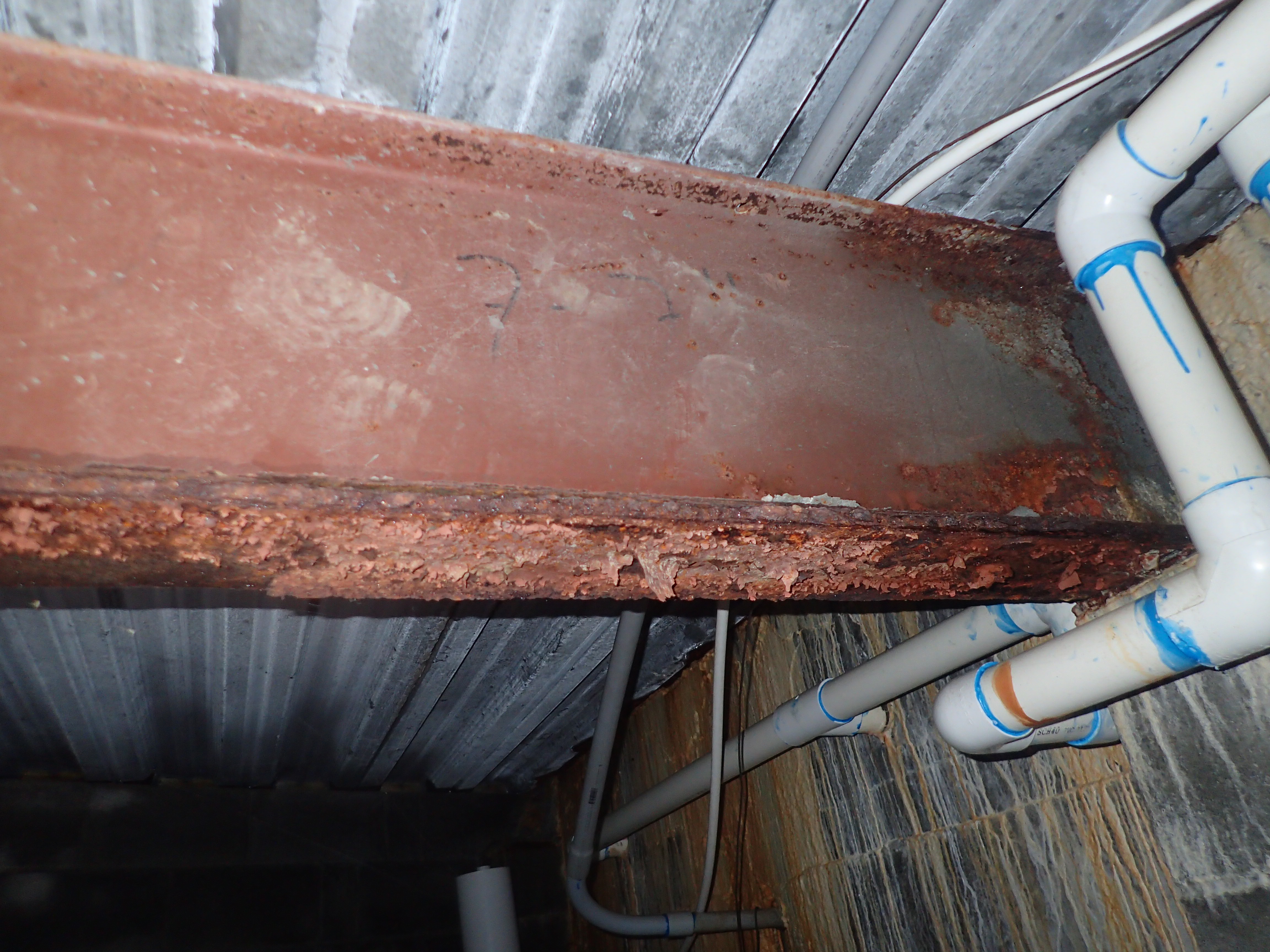
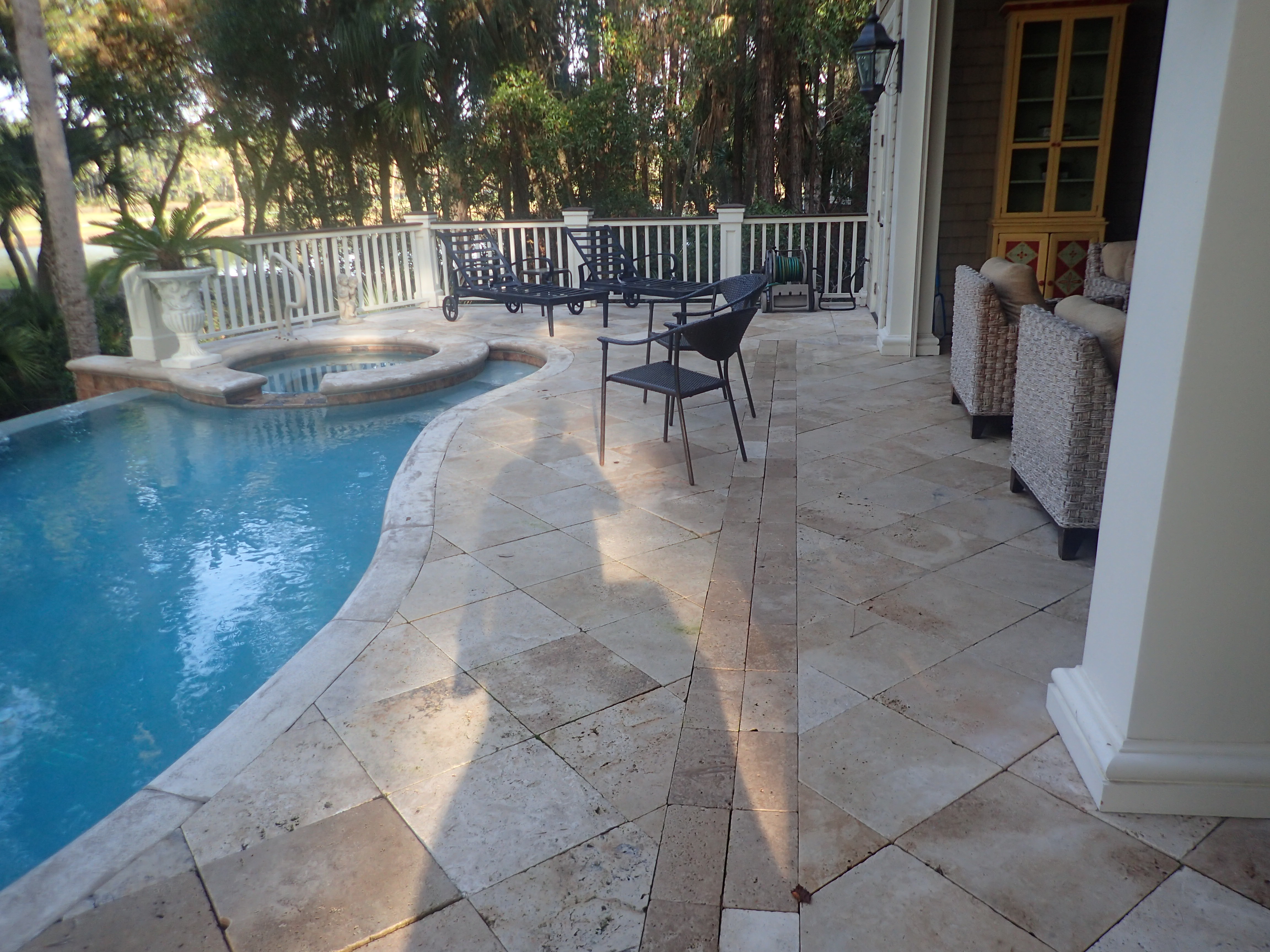
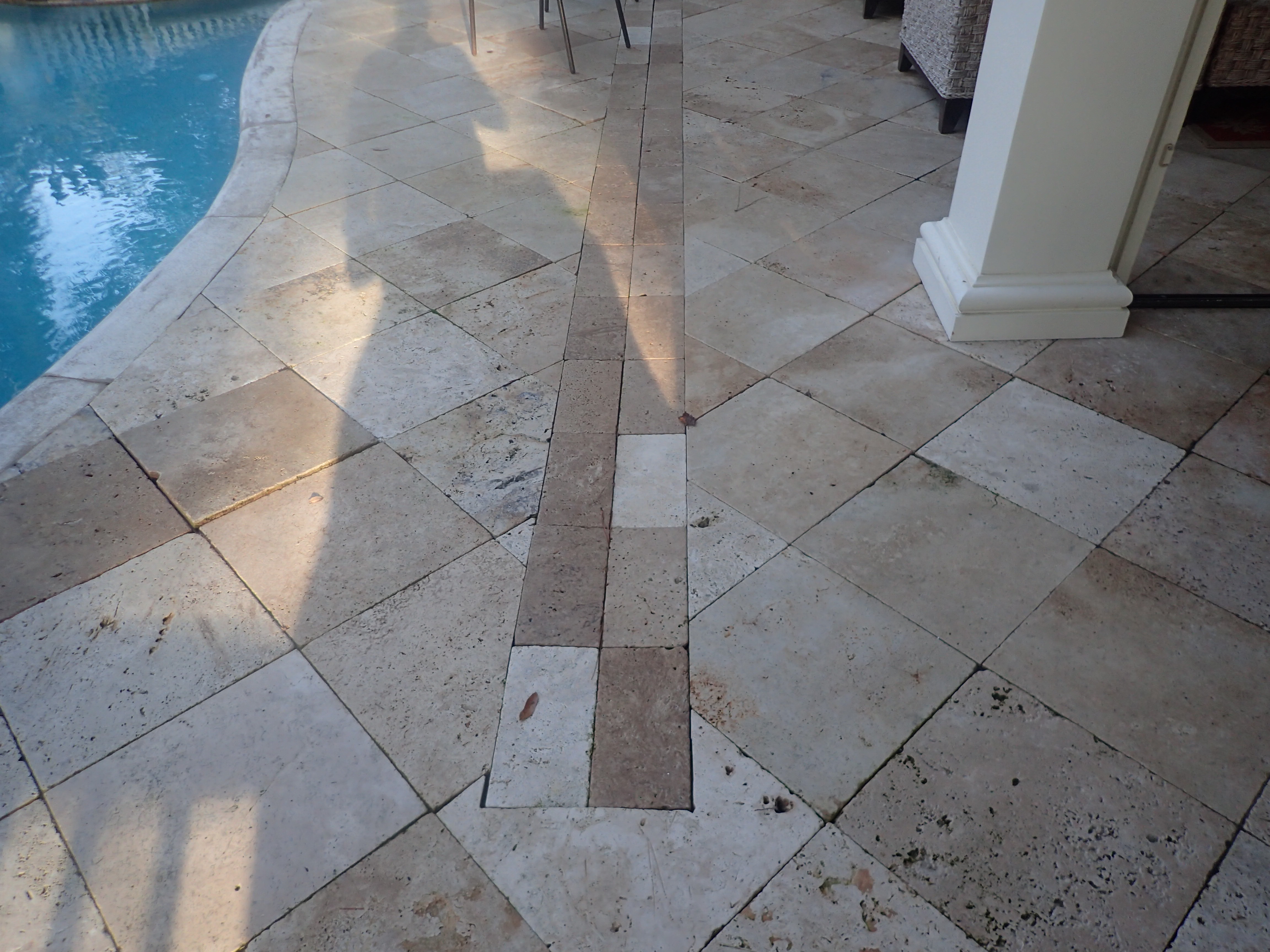
I've come across these steel framed and concrete/stone decks on a few houses used around a swimming pools. Some do okay, some exhibited terrible failure after about 20 years from the pool and rain water deteriorating the steel "I" beams. I came across another one yesterday about 10 years old that isn't as bad, but eventually the steel "I" beams will deteriorate. This just seems like a poorly thought-out design for an open air deck around a pool. I know you can water proof these concrete and steel decks, but this one wasn't. Constant watering of the planter boxes, rain and pool water are clearly leaking through to the steel. My questions is if these decks are designed without water proofing, what would be the life expectancy of the steel framing and what preventative measures can be taken to help slow the rust and deterioration? Painting the steel seems like a never ending task. At what point is it considered normal and what point is it a mess?
-
Jim, you're correct!!!!
-
Yes, very easy to tear! Thank you all for the replies.
-
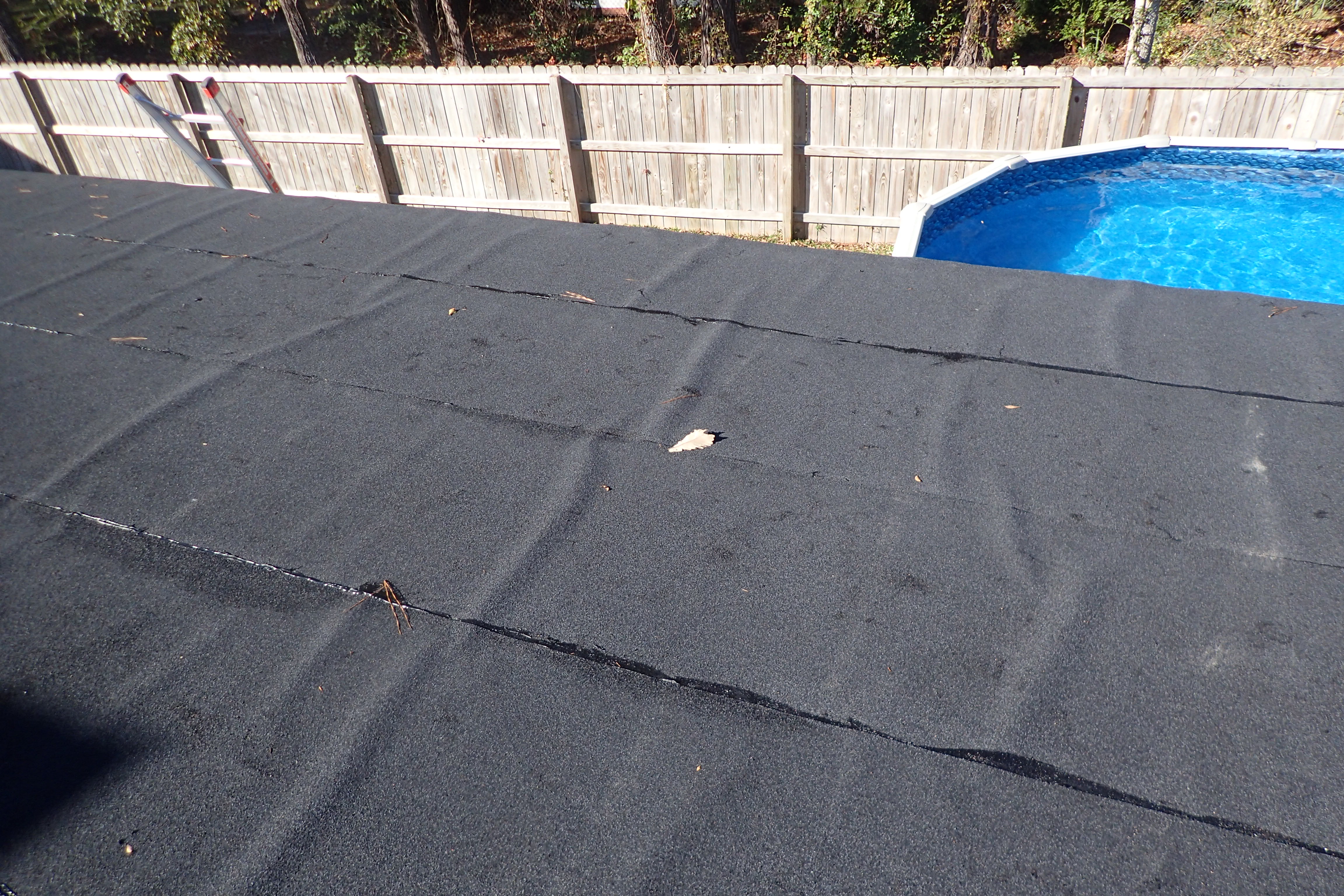
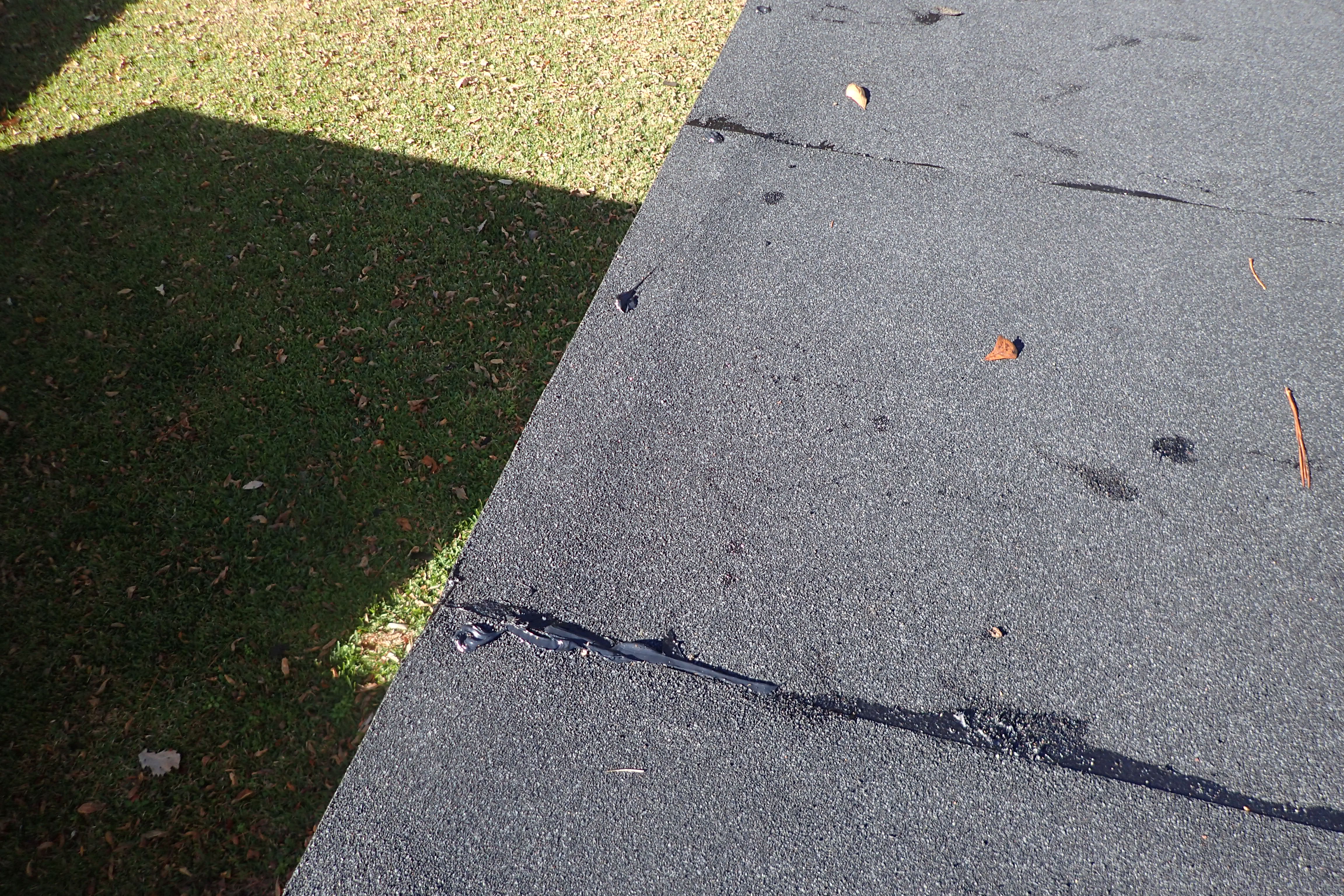
I'm looking at this screen porch low slope roof that was recently replaced. It's a really ugly install. The roofer called in 90 lb felt, but it looks like the top layer of a granulated mod bit roof to me that was installed over the existing roof. Can anyone clarify from these pictures? Thanks, Kiel
-
Dang, I couldn't imagine using a 350 lumens light anymore. I need 1000 lumens minimum. I'd suggest the Zebralight sc600f MK 3 plus. It's on sale for $79 right now. Zebralight has the best user interface of any lights I've tried. Super durable, stupid bright and plenty of run time. You can get the non protected cells required for the light right from Zebralight for about $7 each. A decent XTAR charger runs about $25. You'd be all set for about $135, and that includes the light, four batteries and charger. http://www.zebralight.com/SC600-Mk-III-18650-XHP35-Flashlight-Cool-White_p_174.html
-
Jim, I see them from time to time on about 60-70s ranch homes. They're always over a double car garage where the home owners didn't want a post. I have no idea what they're actually called. The ones I've seen that are untouched seem to hold up pretty well. It's either these type of beams or some doubled up 2x8 or 10s sandwiched between a steel flitch plates that always seem to sag. How was it holding up? Kiel
-
3 wire to 4 wire feeder repair
palmettoinspect replied to palmettoinspect's topic in Electrical Forum
Thanks Jim!!!! -
3 wire to 4 wire feeder repair
palmettoinspect replied to palmettoinspect's topic in Electrical Forum
Bill and Jim thanks! What about 300.3(B)(3)? Would it be an exception? The Feeder from the Meter to the sub panel is NM ran inside the wood framed walls. No conduit or raceways between the two. NEC 300.3(B) requires all conductors of the same circuit to be contained in the same cable—unless otherwise permitted in accordance with 300.3(B)(1) through (4). NEC 300.3(B)(3) permits conductors in wiring methods with a nonmetallic (NM) sheath to be run in different cables. NEC 300.3(B) requires all circuit conductors of an individual circuit to be grouped to reduce inductive heating. This is not a problem with nonferrous wiring methods -
I'm trying to figure out if it's okay to just run an additional single wire instead of a completely new 4 wire feeder for a sub panel that was originally feed with a 3 wire feeder from the main disconnect at the meter. There's a group of newer home (4-6 years) built where all the feeder wires from the main disconnect at the meter to the sub panel inside the home were all ran with 3 wire feeders. The builder has agreed to repair them all which will not be an easy task. There will be a lot of drywall cut out to chase the new wire from the meter on one side of the home to the sub panels on the other side of the home. The electrician and builder plan to run one single wire form the main disconnect to the sub panel to isolate the equipment ground and neutral wires inside the sub panel. Should there be a whole new 4 wire feeder ran? Thanks, Kiel
-
Plywood used for fire separation
palmettoinspect replied to palmettoinspect's topic in Building Science
Steven, That's exactly what I did and never received a response! Go figure. -
Plywood used for fire separation
palmettoinspect replied to palmettoinspect's topic in Building Science
Thanks for the clarification Jim and Marc!