ejager
-
Posts
208 -
Joined
-
Last visited
Content Type
Profiles
Forums
Articles
News for Home Inspectors
Blogs
Gallery
Store
Downloads
Everything posted by ejager
-
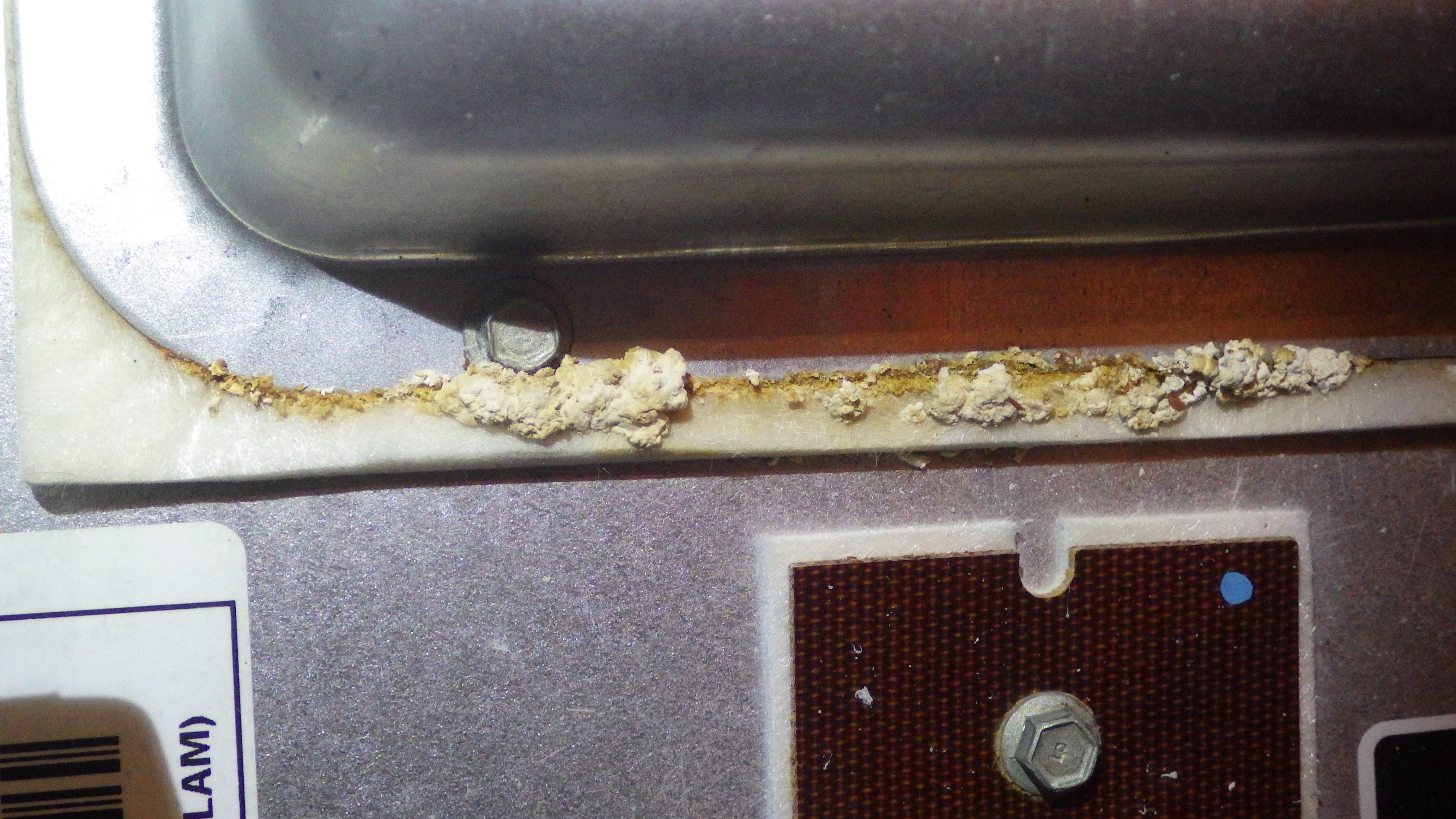
I've certainly seen older systems with NO staining, or deposits at the flue collector gaskets. (maybe they were changed....) These were two Lennox 80% furnaces, one 44,000BTU for the basement, and one 88,00 for the main floor. Vented together with a water heater. Plenty of combustion air available in the furnace room. No other signs of problems. What could be happening? How much is too much? What consequences/worse case scenarios can be imagined?

-
Maybe the height of the riser has been altered, now exceeding max permissible? As the carriages were probably cut for the original flooring plan, depending on the flooring types at the top and bottom of the stairway, those first and last riser measurements may now be different... I know I'm reviving a older thread but I really don't care for this nosing 'technique' for several reasons (not clean looking, my large feet have tripped on these raised edges traveling down stairs, and I typically find laminate to be quite slippery) and am hoping to find support/justification. Thanks
-
I understood anti-oxidizing paste to be a requirement, but that could be just a Canadian thing.
-
Glad for the title... I was stuck on why they were building a fence so close to a fence....
-
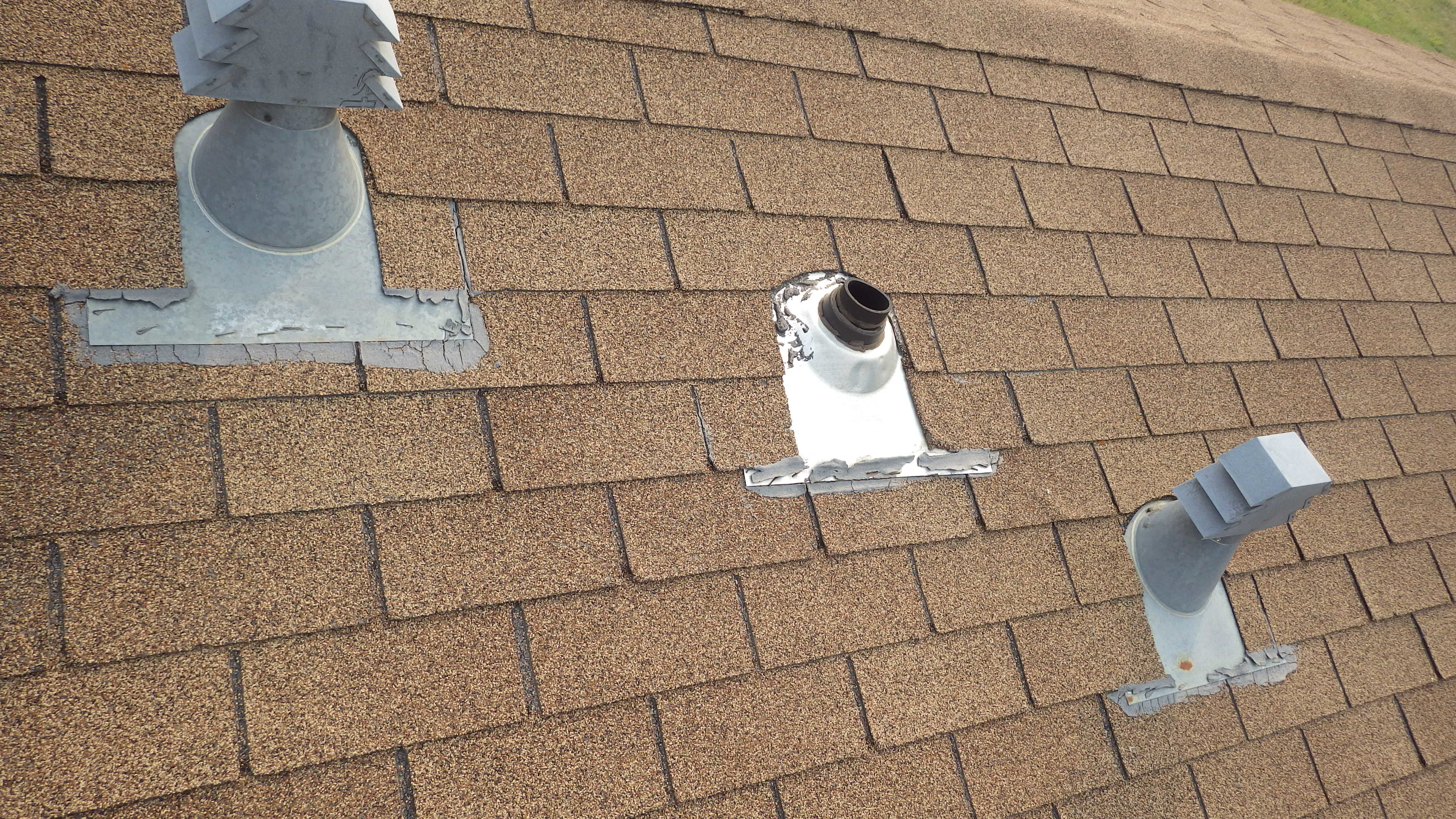
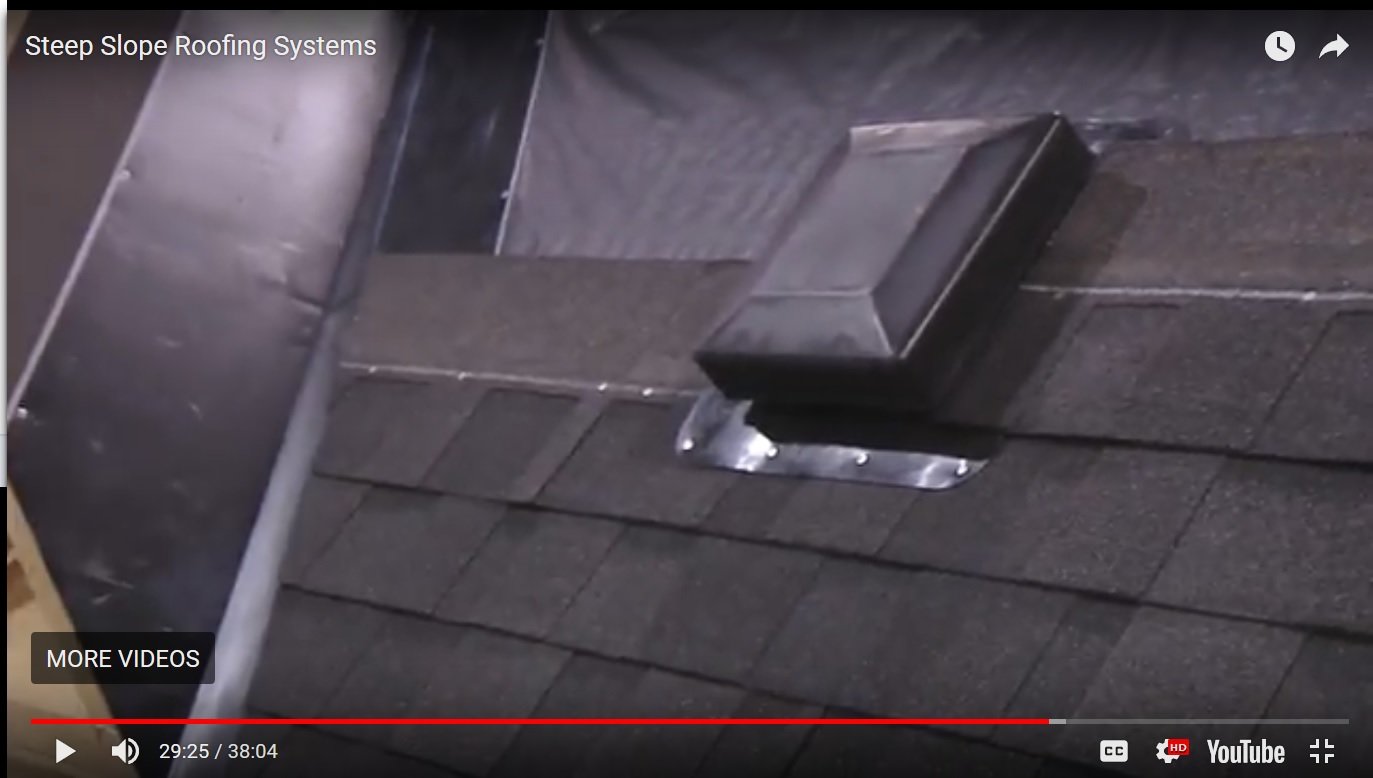
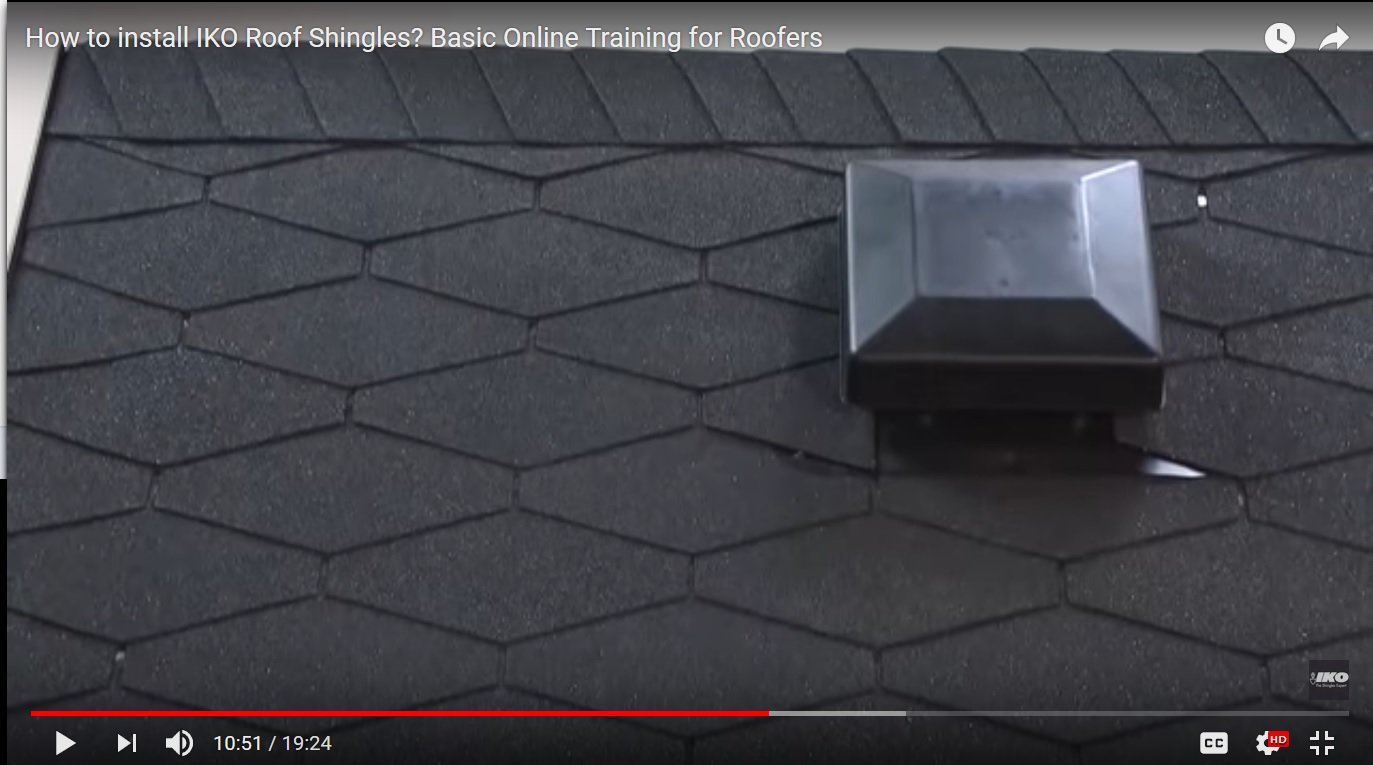
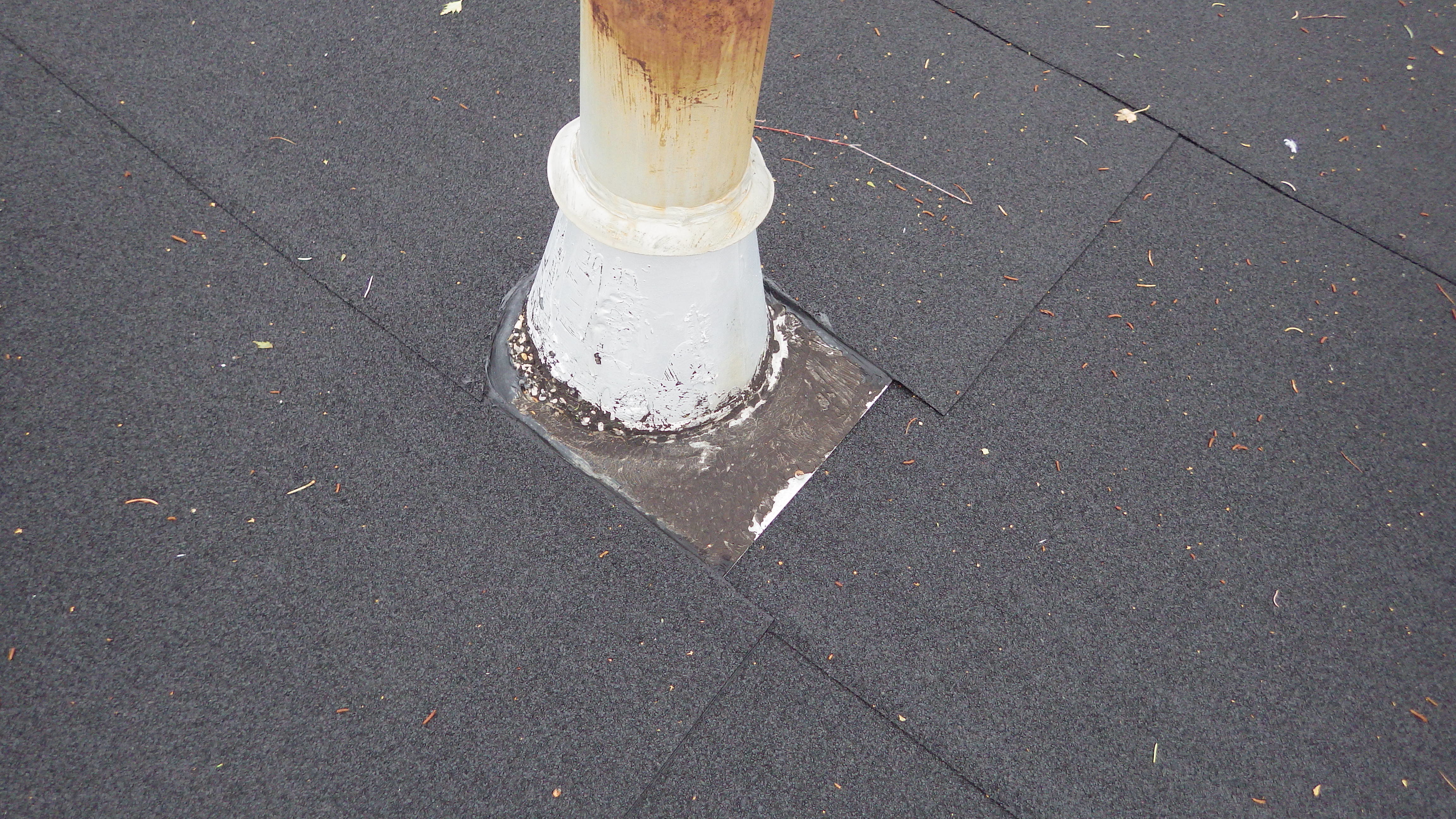
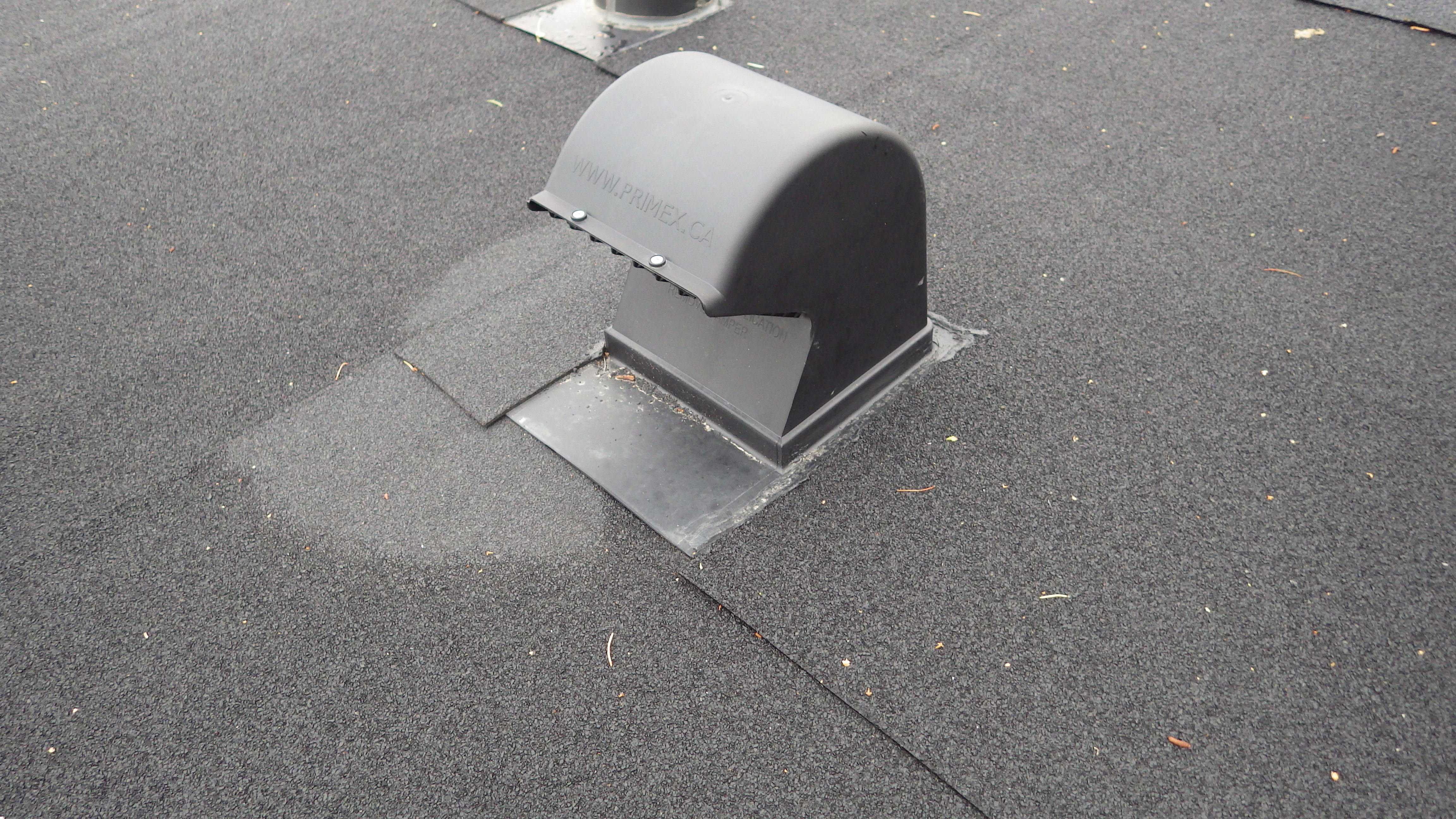
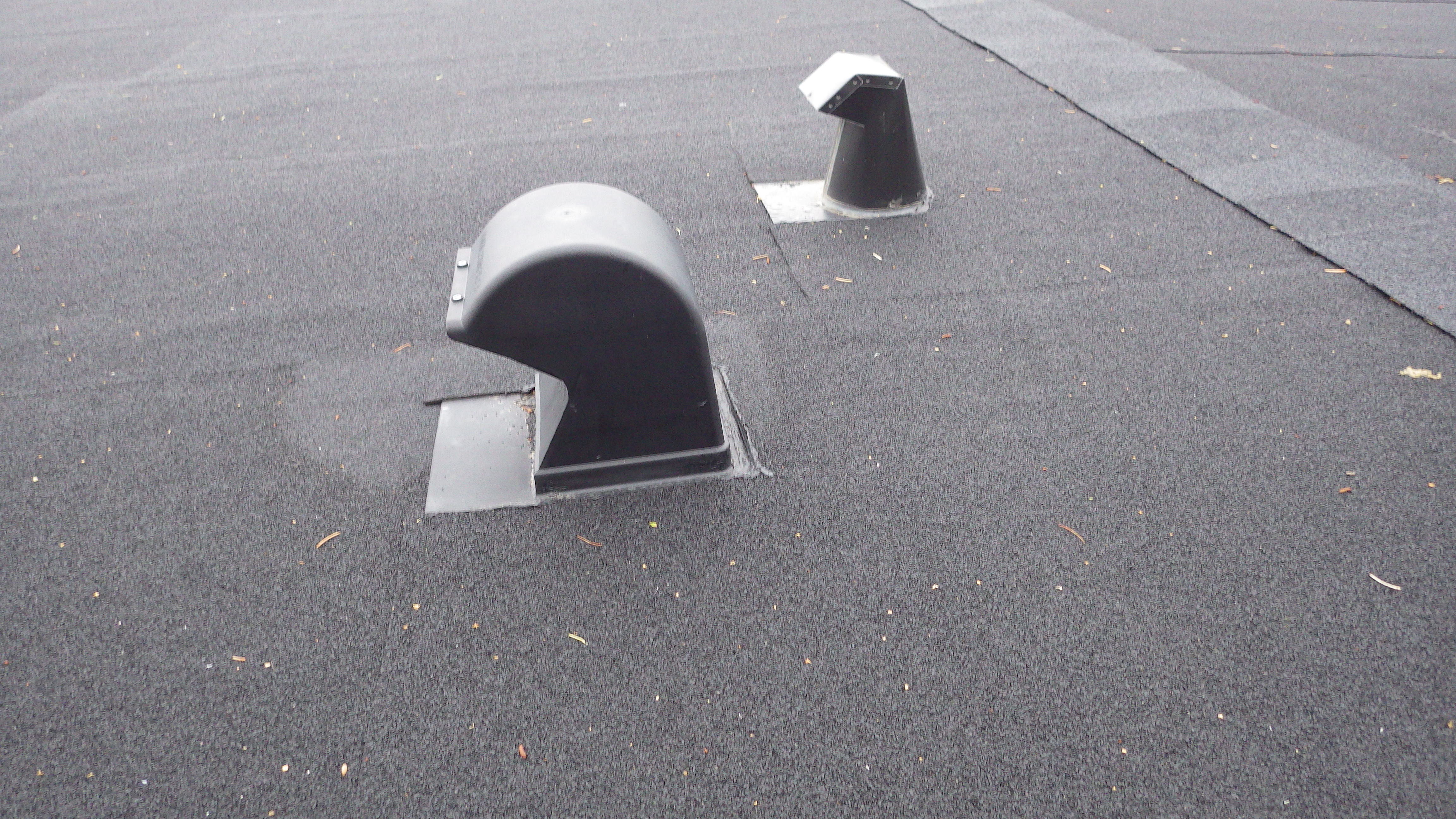
So I've always understood that the bottom half of roof flashings for penetrations should be visible; at the very least the bottom third if the rows and shingles don't align for more exposure. During the inspections on new(er) roofs that I do here in Calgary, the exposure has steadily decreased over the past 10 years, with some instances of none! What does the brain trust here have as opinions and supporting documentation? The Youtube stills are from a video from Canada Roofing Contractors Association/ BuildCanada (https://youtu.be/GHhwwsLX_mg) and an IKO shingle install video (https://youtu.be/sBwxw3KsVOM). One other problem with the IKO video is the use of petroleum based sealants (IKO Shingle Stick (a bitumous mastic)) with the poly-propelene roof vents: From the
-
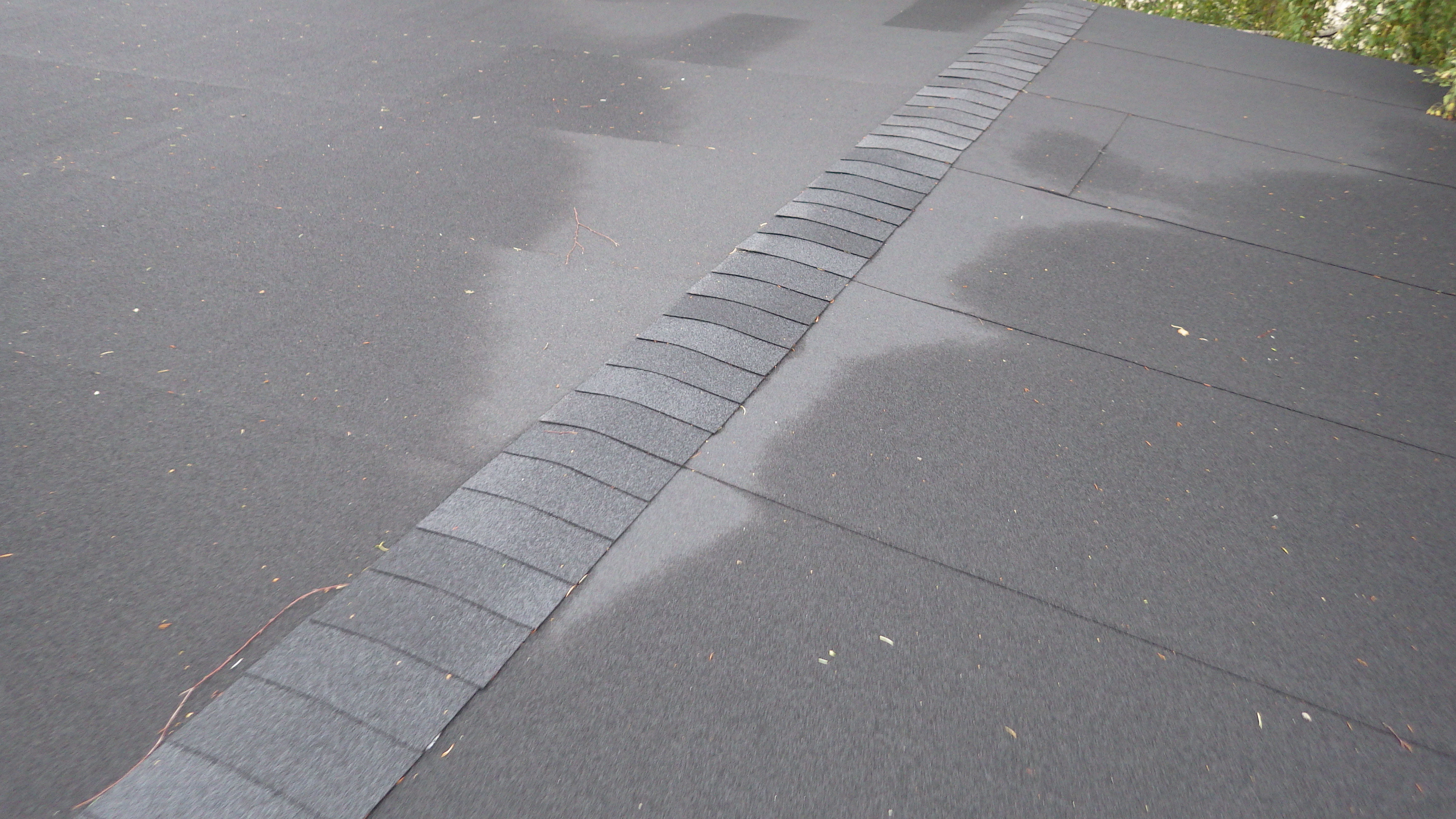
Morning all, I'm suspecting someone who watched a shingle install video once tried to do a flat roof.
-
- 1
-

-

inert materials burial on site
ejager replied to Jim Baird's topic in Landscaping & Site Drainage Forum
The municipal green cart program here in Calgary composts regular kitchen waste, meats, pet wastes (kitty litter included), fireplace ash, untreated lumber and yard wastes. The advantages of shredding, in-vessel (containered) composting, & mechanical ventilation: 60 days from waste collection to compost distribution. http://www.calgary.ca/UEP/WRS/Pages/Recycling-information/Residential-services/Green-cart/Green-Cart-organics-composting-facility.aspx#process -
I had an aunt who was so frugal, that when we cleared the table after dinner, we were not allowed to stack the dishes...... because then we had to wash both sides.
-
Somewhere, a village is missing a "dear citizen who needs special help".
-
I'm a little late to the discussion, but failure to leave spaces between the OSB sheets may result in buckling. Panel spacing is an APA RECOMMENDATION, to provide installers with a means of minimizing the potential for panel buckling; however, it is not a requirement. Some manufacturers may require a space at the time of installation. Panel buckling may be an aesthetic or serviceability issue but is not a structural deficiency. (http://www.apawood.org/buildertips/pages/M300.html)
-
Is there a possibility that the incorrect type of expanding foam led to this amount of distortion? Vinyl frames are not all that rigid....
-
If that's bleed through (which I doubt), it would be nails from the sheathing bleeding though the WRB as well as the siding as there wouldn't be nails in those locations to secure the siding... so not likely... It is interesting that the marks are aligned vertically - was the siding staggered? (to rule out some contaminant in the box pre-installation)
-
Thanks Marc, There's no doubt that there is other stuff going on. The first electrician ran a 14/3 to the garbage disposal - the second electrician secured both the red and black conductors to a single breaker. I have to go back and double check. I suspect that you are right about the black and white (taped) being one circuit. There was no room to stand directly in front of the panel so I tried to do indirect observation via camera as well. I took a few shots but can't trace the wires though I was pretty sure about the 14/3 arrangement.
-
Good evening brain trust! Been a while since I posted a question here. In the aux electrical panel I observed a 14/3 wire where the black and red wires were connected to adjacent 15 amp breakers and the white wire was wrapped in black tape and connected to the adjacent 20 amp breaker. The house is about one year occupied and somewhere between three and four years old (from date of initial construction). Unfortunately, there was no labeling for this panel, beyond the one piece of cardboard for the elec floor heating wires (that go) to the two lower breakers. Thoughts? Click to Enlarge 67.51 KB
-
Why do people hire experts and then disregard all the advice they paid for and the stuff they got as a bonus? Any thoughts on what liabilities would be if you had not 'looked around the corner' and seen the condition of the deck? I hope we are all using good contracts when we are doing 'targeted or focused' inspections and list specifically what we will be looking at and the exclusions.
-
Its really nice to see them supported like that. Cuts down on damage from the weed whipper and little 'Fluffy'. Occasionally still some damage from Great Danes...
-
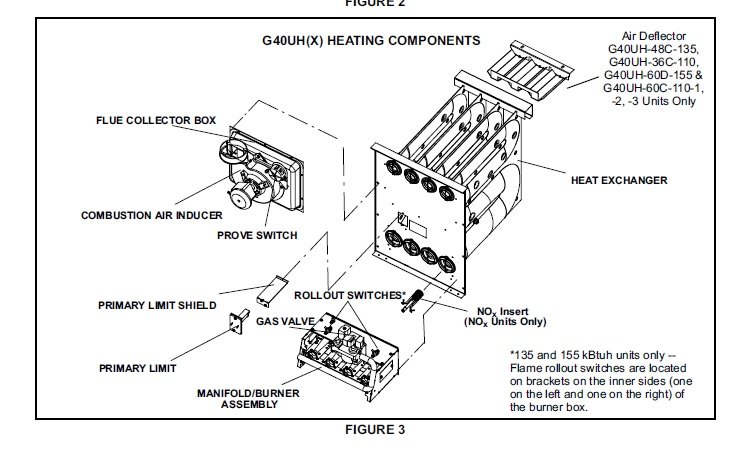
I'll right, I'll bite. Why are there three pipes? They tried a few vertical installations in my area but it they always seemed to have problems. Could be the long runs from the basement up through two floors and then an attic. Bigger vent piping didn't overcome the problems. In the extreme cases, the 'open concept' plans presented by architects never included a chimney chase and so the HVAC installers always had multiple jogs and horizontal runs as well.
-
Looking at this as a learning opportunity: How did you determine this was three coat stucco? What would have been your response to these cracks if it was EIFS? Thanks in advance. This site is a constant source of great information.
-
Oddly enough, the splashing is the worst at the very beginning. After there's an inch or two of water in the tub, there isn't so much. When I first started filling the tub in the picture, the water splashed over the glass partition and down to the kitchen below. I imagine that the splash coming off the person under the shower would spread quite far.
-
Some renovators pull the outlets and switches out of the box, wrap tape around the screws so they can rehang drywall , tape, mud, and paint before reinstalling the outlets and switches.
-
It's just holding up the little piece that split from the bottom. Don't worry...be happy!
-
If that is the repair, what did it look like before?
-
A Look at a British Home Information Pack (HIP)
ejager replied to hausdok's topic in International Home Inspector Issues
A local woman who is selling her old home in Britain says that it had become a ridiculous joke as sellers would find a 'soft' inspector, buyers would ignore the information inthe HIP and hire their own inspector anyways. -
It is something Realtors who want to avoid problems are supposed to reveal, as are the home owners... http://realtors.kohalibrary.com/cgi-bin ... umber=7574 Of course, there are always still alwsuits, even up here. http://www.guelphmercury.com/news/canad ... r-occurred
-
This PEX design guide is a great source of information. http://www.huduser.org/Publications/PDF ... _guide.pdf I have found many references to 1/2" home run PEX systems supplying hot water sooner, and more efficiently. A 3/4" is line is more than twice the volume of a 1/2" line, so it would of course depend on how long the "trunk" was, and how long the 'branch' lines. In a small house where any particular hot water tap was used frequently, there may be no savings. In a MacMansion, the distance from HWT to a tap might be substantial, (but then there are probaly several HWT or a HW circulator). The savings really come with the speed of setting up a homerun system and the lack of fittings hidden in the walls or floor. When I first saw this manifold block I was thinking it was a radiant heat system and I found myself in rare disagreement with Scott. I like to consider the lifetime of the house and its systems. And after 20 years up here, these systems leak, pieces need replacement, and hiding it in a wall is just asking for trouble. Standard practice is surface mounting and I really do prefer it. But this is strictly a water distribution system and find far less need for maintenance, or problems with leaks. But it does come back to the installation being in an outside wall, assuming that is an outside wall, and that is certainly not a good idea. Click to Enlarge 44.97 KB