
.jpg.20867d5d91c4a72e0d4afecbfa8c8e62.jpg)
Chad Fabry
-
Posts
4,431 -
Joined
-
Last visited
Content Type
Profiles
Forums
Articles
News for Home Inspectors
Blogs
Gallery
Store
Downloads
Everything posted by Chad Fabry
-
Looks like crappy rolled roofing. Wait. That's redundant.
-
If the fixture with a long-lasting bulb is first, it may have a compromised neutral connection and the filament in the second fixture is carrying that current back.
-
Is one fixture directly below the elephant pen? Is the fixture that burns the bulbs first or second in the circuit?
-
If there's a sleeping area, an eating area with provisions to cook, a pooping area and they all meet the minimum area standards set forth in code, it's a dwelling unit. I think this is the first time I've ever disagreed with anything you've written. It'd be a bad scene if someone burned to death (gassed, electrocuted, et al) while living/ sleeping in the space after you (eloquently)said it was OK. The AHJ sees the liability of being the person to write the letter you wrote and he/she realizes that indemnification won't save his ass if he's negligent in his duty. He should insist that the property owner modify the premises such that the space does not meet the definition of a dwelling unit. Then he should demand that all construction performed w/o a permit be brought to the applicable standard that was in place at the time of construction.
-
plumber bees
-
I'm pretty sure that compressed air means 3500 PSI of nitrogen.
-
You're hilarious. Home inspectors are notorious for ignoring our own advice... and common sense. Put some shrink tube on it, do a Hail Mary thingy and move on.
-
http://www.motorauthority.com/news/1112866_homemade-water-powered-trike-can-do-0-160-in-under-4-seconds
-
Responding from my phone, so please pardon my brevity. Call it what it is, include the fact that there may not be adequate fire separation. Inspect to a standard that was in place at the time the construction was performed. There is no tight wire per se, it is what it is, there is a way to make it conforming. That said, the solution may not be palatable for the owner. Clearly the use matters to how the building is built, but the zoning matters as to whether or not the use is allowed.
-
.thumb.jpg.47289739c2f0532f4faffd07858bee59.jpg)
Electrical section for review and comment
Chad Fabry replied to Chad Fabry's topic in Report Writing and the Written Word
I believe the author has an adequate technical skill-set. Still, the text was difficult to follow. The photo layout is confusing and it was difficult to figure out which photo went with specific comments. I'm a fan of tying text to photos with arrows originating at the text and ending by pointing to the issue in the photo. Lately, I've been using more text boxes in the photo with less narrative outside the photo. Kurt called it "cartoon style" because of the text bubbles. He was/ is a proponent of fewer words and better pictures with short bursts of text. I think it's OK to say just once at the end of the section; "Have an electrician fix these issues and any others he or she may find." I think it's OK to have just one disclaimer either in the contract or at the beginning or end of the report. Disclaimers at each section , or worse, after each comment are a distraction. Yes. 120/240, not 110/220 to and too- please use them correctly. "Outside, the installer used wire that's rated to be used inside only. Replace the wire with a product or method approved for wet locations and exposure to sunlight." "The outbuilding main panel is mounted on a pole" Is it a service disconnect or a disconnect /*subpanel*? Are the out-building and garage the same thing? The hot tub disconnect photo is labeled as the outbuilding sub-panel The photos are much too small to be meaningful. The illustration of a panel showing the bonding strap is too esoteric to be helpful to a lay- person. I truly dislike the checklist and room-by- room canned comments I'm hoping Jim Katen will take a few minutes to share his thoughts. -
A colleague asked me to review the electrical section of a recent report. I asked permission to share it here. It was a pdf and had all the company info so I copied the contents to a Word doc. The guts are there but it looked better as an original. Please chime in with constructive comments.for review.docx
-
Yes, S Trap. Well, P traps improperly installed to create an S trap. Clearly not a "career" plumber (or municipal inspector)
-
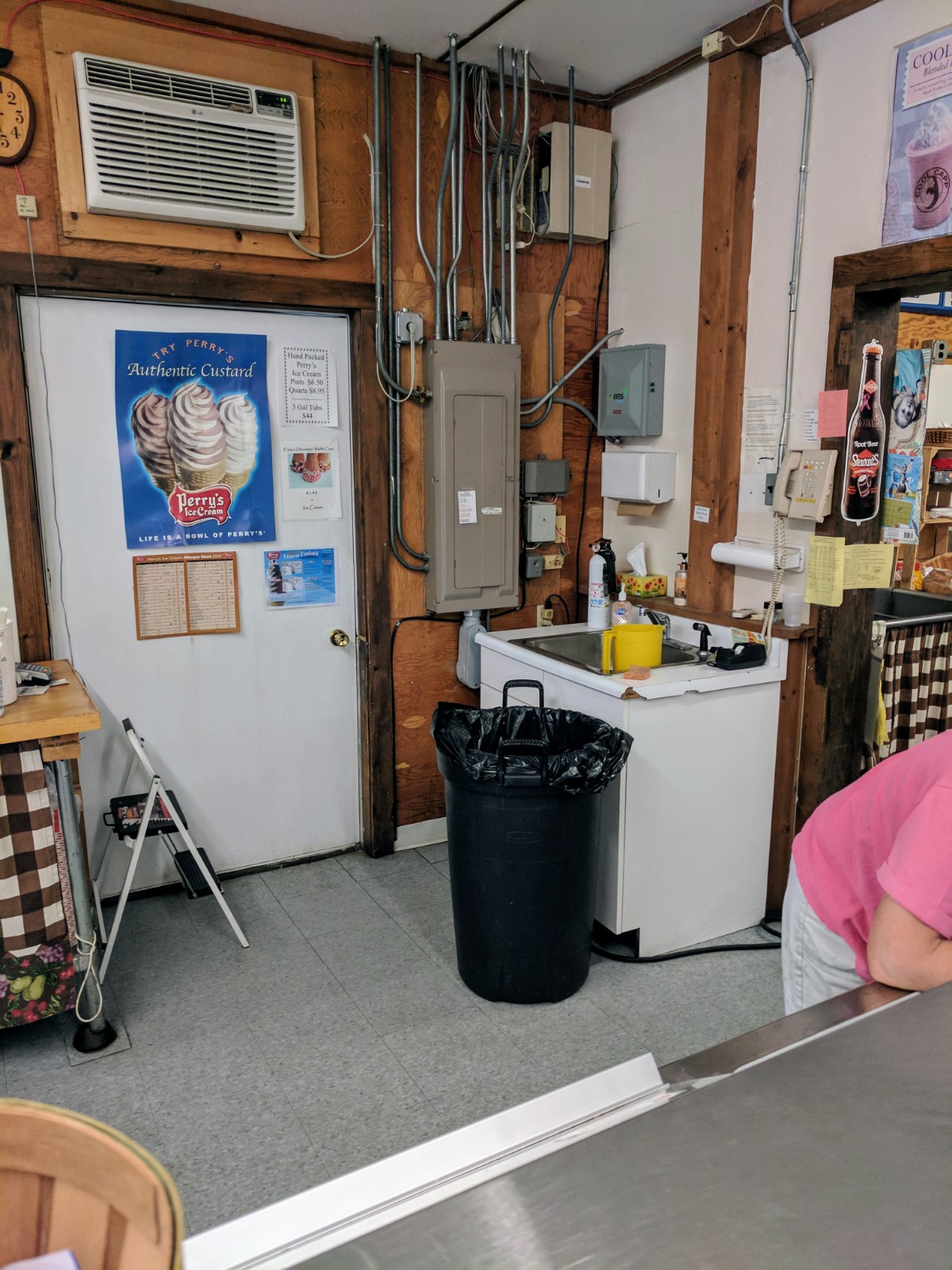
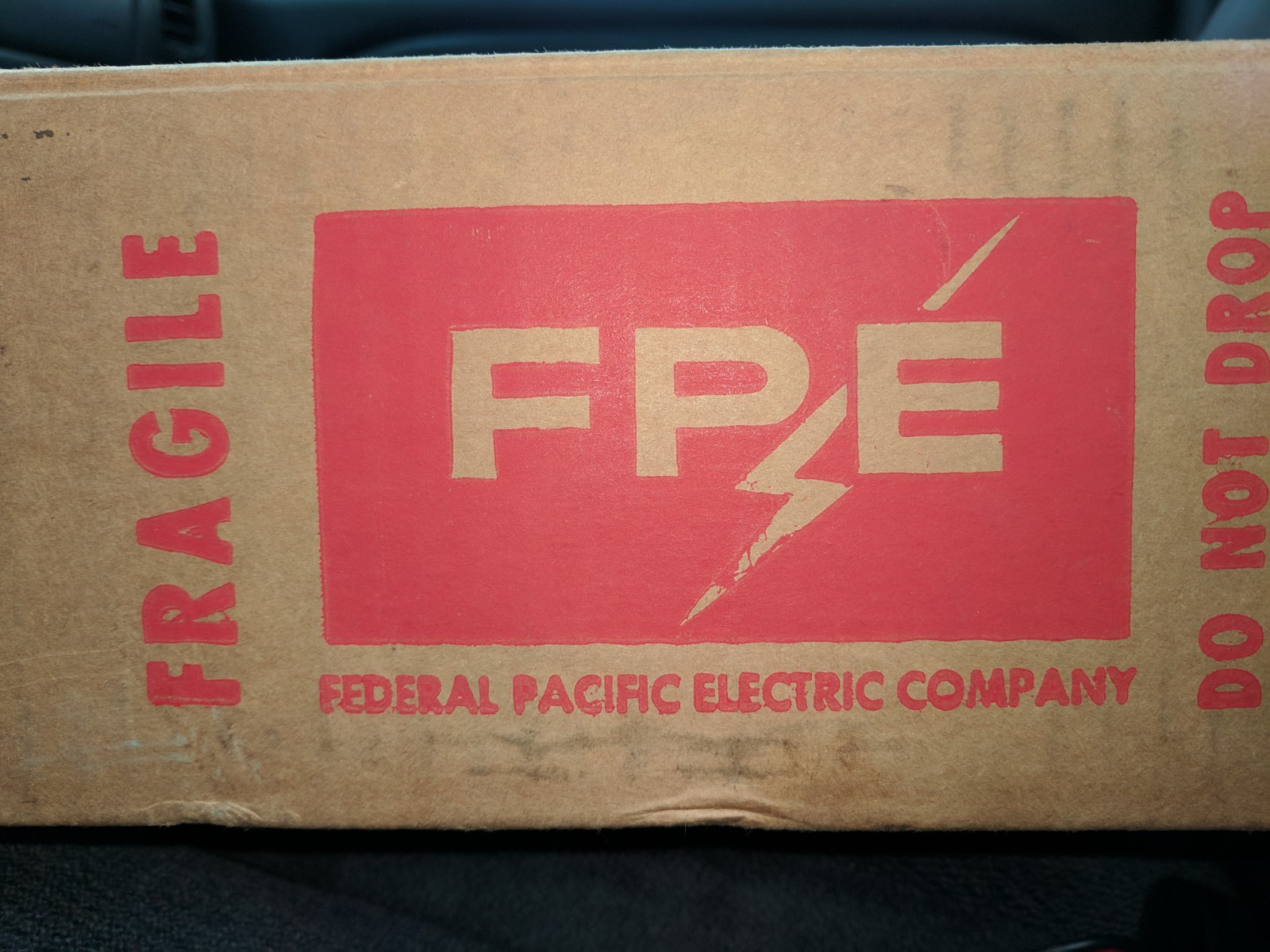
The first photo is behind the counter of a local ice cream stand. The next two- I scored a new, in-the-box Federal Pacific panel with all the hardware for the display at Inspector Central. I have a fully wired, as originally installed, Bulldog with circuit taps on the bus bar and a fully wired FPE as well. Douglas built a board of horrors out of plexiglass for ITA - it was pretty cool because you could see things were wired wrong and the three light testers showed all was well. If anyone has one of those kicking around, I'll buy it.

-
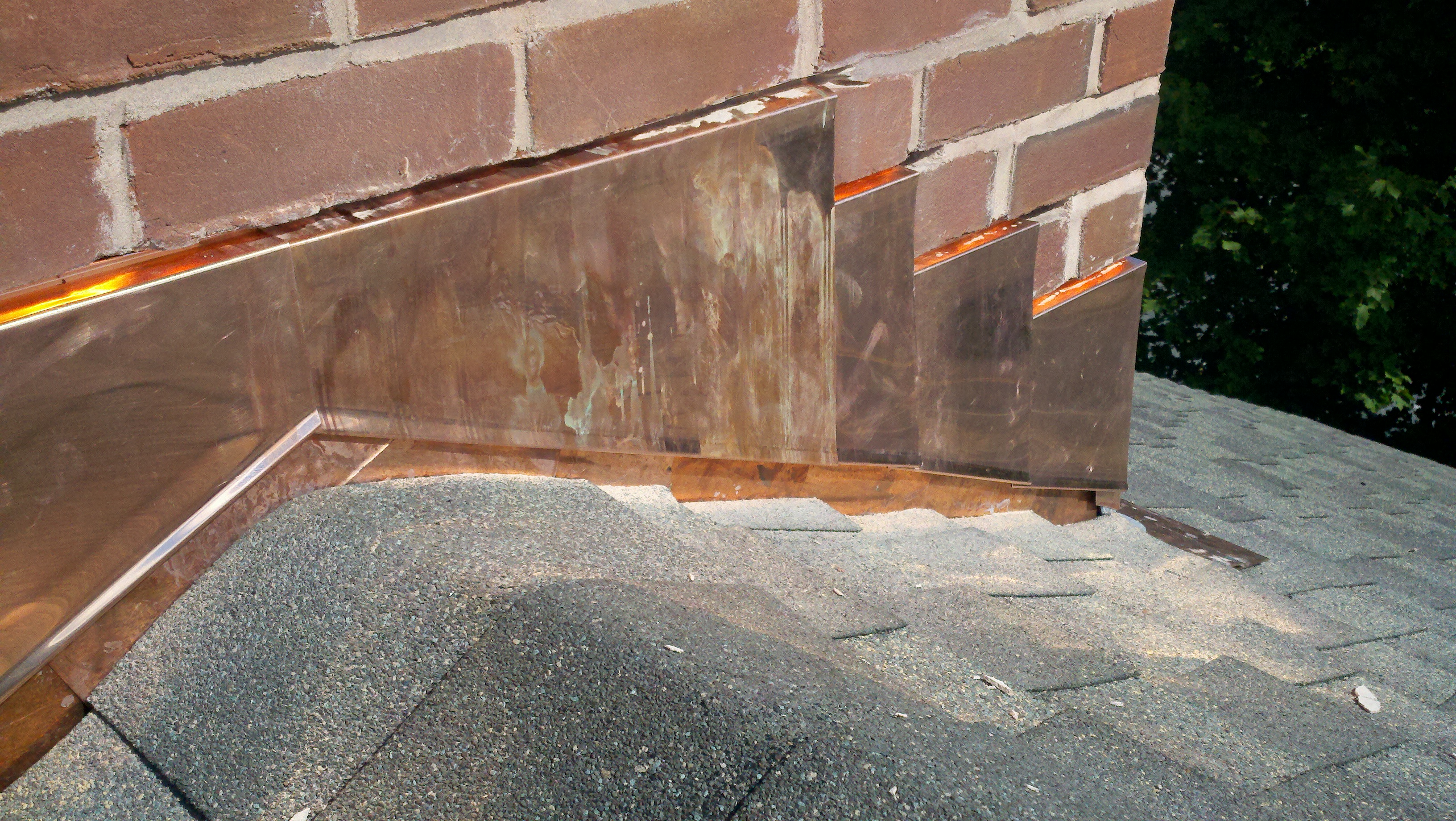
You should be able to see the weep screed for the stone veneer. That's messed up. The flashing should just be a simple apron that extends behind the weep screed and the WRB. The WRB is the counter flashing in this scenario. The diagram shows a rake to wall detail- this detail should look like the diagram w/o the step flashing.
-
The air gap isn't big enough. I shouldn't have said "OK". Honestly, I thought you were asking if it was OK because it was an indirect connection. I just spent 7 or 8 horrible minutes reading the plumbing code. It's all in chapter 8 of the IPC. I'll email it to you if you want.
-
It's an indirect drain for non-potable, clear waste water. It's ok. The air gap prevents a sewer back up from fouling the heating/ cooling equipment. The only draw back may be if the heating/ cooling system goes unused long enough for the trap water to evaporate and lose the seal. That's a stretch though.
-
Three phase HVAC equipment, single phase panel
Chad Fabry replied to Chad Fabry's topic in Electrical Forum
Four 50-year-old Wadsworth load centers that should have been wired as subs (not) that were significantly overcrowded. Two of the panels were about 7 feet high over stairs. One panel had a line splice using a weaver split bolt that was taped for insulation crammed up against the back of the dead-front. I went and bought rubber gloves to re-install the dead-front and left a big note in black sharpie on the panel. Also on site was an exterior, live meter pan with no cover, cracked SE cables about 30 inches over the entire span of the flat roof (too high to hop, I had to limbo). Fun? maybe not as much as time-consuming, profit-sucking and dangerous. Three hours just on electrical.
-
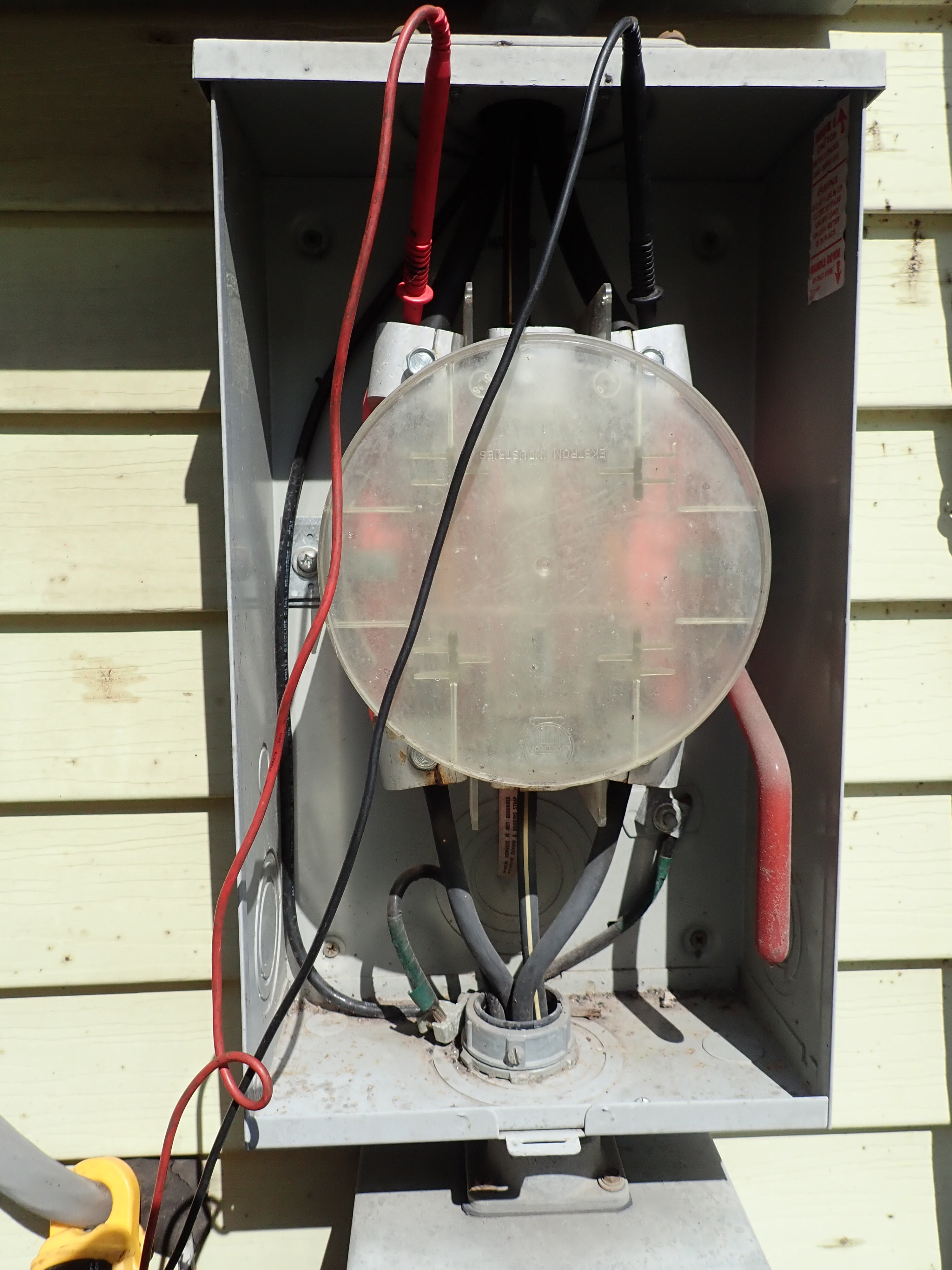
Yesterday, I needed help. I was on a roof of a small commercial building and inspected the HVAC equipment. It was all 208-230v three phase stuff typical for smallish commercial spaces. There was a (full of yellow jackets) Fed Pac, three phase disconnect on the equipment. In the basement, there were three single phase 100 amp disconnects that served panels in the building, and one service panel all fed from a gutter. There was one single-phase disconnect fed from another source with a back-fed 100 amp breaker, two, 2-pole 20-amp breakers and a 2-pole 60 amp breaker. The 60 amp breaker was identified as the breaker for the HVAC equipment. My head started hurting. I then noticed that all the *neutral* wires had been re-identified with black tape. I metered L1 to L2 and got 240v. Then I metered L1 to ground and L2 to ground and each produced 240 v. I called Douglas Hansen; his caller ID must not work and he answered. After I explained the situation, he identified the system as corner grounded three phase. I've read about the configuration- I believe that the breakers used must be rated @ 240v or higher (not 120/240), they must also be rated for 3 phase. §240.85 Is there anything else I should discuss? Clearly, the panel in question is a complete do-over- I see the stuff wrong in this panel, but if I run into another one of these things what should be discussed? Since folks won't be able to resist- the panel and breakers are water damaged, breakers in use not rated for the panel, HVAC breaker should be 50 amps, not 60 and no hold-down kit on the back-fed main. Douglas- thank you for your help, I sincerely appreciate you taking the time to answer my call.
-
I've seen this before in local buildings. The stone looks like it is between limestone and sandstone. Often, I see fossils at the fault lines which probably contribute to ice lenses forming and popping the face off the stone. The "sugaring" is from saturated porous material freezing. Kibbel would know if there's a repair, but you should at least slow down the erosion with a permeable water repellant. I suggest you call these folks and ask their advice. I'd be inclined to use the silane/ siloxane repellant.
-
The label and AGA logo look very similar to my 1959 Richmond (RIP) Winter Air Conditioner. The heat exchanger was a barrel inside a box.
-
I couldn't identify the windows. No markings except for date codes (88), aluminum clad wood with crappy operating mechanisms. Roughly half had broken seals, almost all had broken crank assemblies. I got one open and started sweating when I couldn't get it closed.
-
No idea
-
Or slamming the front door.
-
Zero exposed lumber, but that said, you can't buy anything but rough sawn or kiln dried around here for 50 years or more. I'm having a hard time with the tight framing and shrinkage theory for that reason. There's been at least 1/2 inch of vertical movement to cause the brick breaks and windowsill deflection. I'm pretty sure the buyer is going to walk so I'll probably never know the cause. If she buys the house, I'll follow through when she replaces all the windows.
-
Thanks for the insights. All the windows are crap- They can figure it out when they take everything apart to replace them.



.JPG.f6da153e707d4b46daf640188b618345.JPG)
.JPG.fd15a08bcc1b1021ad8e7ff45377505d.JPG)
.JPG.68d7cf05392a0740ec827b5f4c884e03.JPG)